Information
Landmark: L'Anse Mitan CavesCity: Princes Town
Country: Trinidad and Tobago
Continent: North America
L'Anse Mitan Caves, Princes Town, Trinidad and Tobago, North America
The L'Anse Mitan Caves are a series of coastal rock formations located on the southwestern coast of Trinidad, near Princes Town.
Visual Characteristics
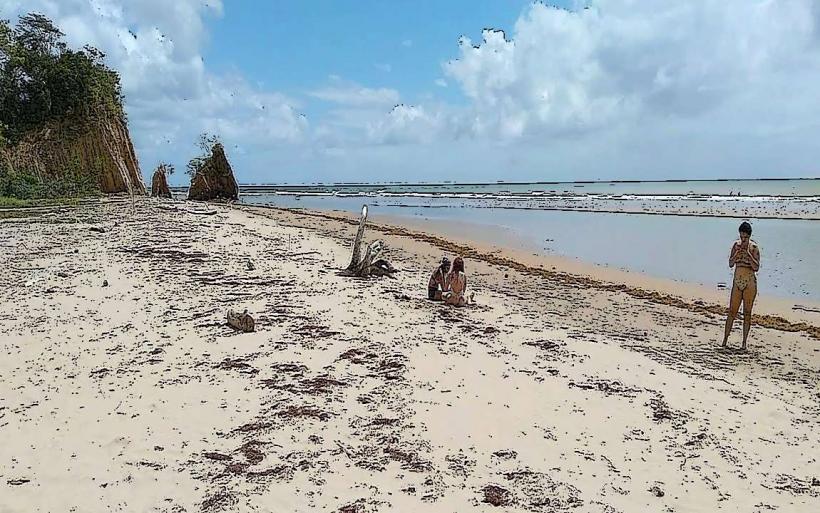
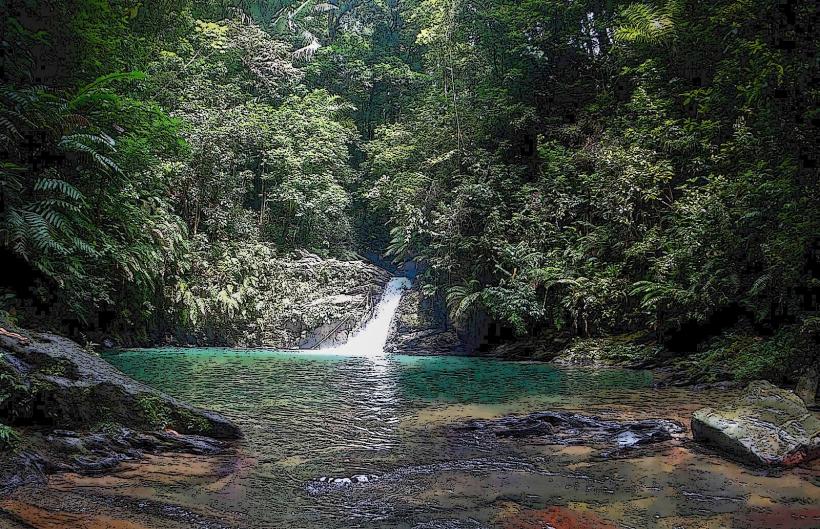
The caves are carved into limestone cliffs. The rock faces exhibit varying shades of grey and beige, with evidence of erosion from wave action. The entrance to the main cave is approximately 3 meters wide and 2 meters high. Interior formations include stalactites and stalagmites, with some areas exhibiting damp surfaces and mineral deposits.
Location & Access Logistics
The caves are situated approximately 15 kilometers southwest of Princes Town. Access is via the Southern Main Road, turning onto L'Anse Mitan Road. The final approach involves a 1.5-kilometer unpaved track suitable for 4x4 vehicles. Limited parking is available at the end of the track. Public transport does not directly service the cave entrance; the nearest bus stop is in the village of L'Anse Mitan, requiring a 2-kilometer walk.
Historical & Ecological Origin
These caves are a result of coastal erosion acting on the Miocene-era limestone deposits of the Erin Formation. The process of dissolution by rainwater and subsequent wave action over millennia has shaped the current cave system. No specific historical construction or purpose is recorded for these natural formations.
Key Highlights & Activities
Exploration of the cave interiors is possible during low tide. Visitors can observe the geological formations. The surrounding coastline offers opportunities for observing marine life in tidal pools.
Infrastructure & Amenities
No formal infrastructure is present at the cave site. Restrooms, shade structures, and food vendors are not available. Cell phone signal (4G/5G) is intermittent to non-existent within the cave system and along the access track.
Best Time to Visit
Access to the cave interiors is restricted to periods of low tide. The optimal time for photography within the caves is during daylight hours, with the late afternoon offering angled light. The dry season, from January to May, generally provides more stable weather conditions.
Facts & Legends
Local folklore suggests that the caves were once used as a refuge by smugglers during the colonial era, though no definitive historical evidence supports this claim. The mineral deposits within the caves can create a shimmering effect on the walls when illuminated.
Nearby Landmarks
- Point Fortin Lighthouse (8.2km West)
- Erin Bay (6.5km Southwest)
- San Fernando Hill (12.1km Northeast)
- Pitch Lake (18.5km Northwest)