Information
Landmark: Larnaca Salt LakeCity: Larnaca
Country: Cyprus
Continent: Europe
Larnaca Salt Lake, Larnaca, Cyprus, Europe
Larnaca Salt Lake is a complex of four natural salt lakes situated immediately west of Larnaca, Cyprus. It functions as a significant wetland ecosystem, particularly important for migratory bird species.
Visual Characteristics
The lake complex features a shallow basin that typically dries out during the summer months, revealing a thick, white salt crust. During the winter and spring, it fills with rainwater, appearing as a reflective body of water. The surrounding terrain consists of low-lying halophytic vegetation, scrubland, and sparse trees.
Location & Access Logistics
The lake is located approximately 3 kilometers west of Larnaca city center. Primary access is via the B4 road, which runs along its eastern and southern perimeters. Limited roadside parking is available at various points along the B4. Public transport options include local bus routes 407 and 417, which have designated stops near the lake's edge, connecting to the city center and other areas of Larnaca.
Historical & Ecological Origin
The Larnaca Salt Lake is a natural geological formation, classified as a hypersaline wetland. It formed over millennia through tectonic activity, creating a depression that collects rainwater and seawater seepage. Ecologically, it is designated as a Ramsar site and a Natura 2000 protected area, serving as a crucial stopover and wintering ground for numerous migratory bird species, including flamingos.
Key Highlights & Activities
Birdwatching is a primary activity, particularly from November to March when migratory birds are present. A designated walking and cycling path, the Larnaca Salt Lake Nature Trail, encircles parts of the lake, offering observation points. Photography is common, especially during sunrise or sunset for capturing reflections and birdlife.
Infrastructure & Amenities
Restrooms are not directly available at the lake's edge; the nearest facilities are located at nearby establishments in Larnaca. Shade is minimal, provided by scattered trees along the perimeter. Cell phone signal (4G/5G) is generally strong across the area. Food vendors are not present on-site; the closest options are within Larnaca city.
Best Time to Visit
The optimal time for birdwatching is from November to March, when the lake is full and hosts large populations of migratory birds, including flamingos. For photography, early morning or late afternoon offers the best lighting conditions for reflections and capturing the landscape. The lake is largely dry from June to September, revealing the salt crust.
Facts & Legends
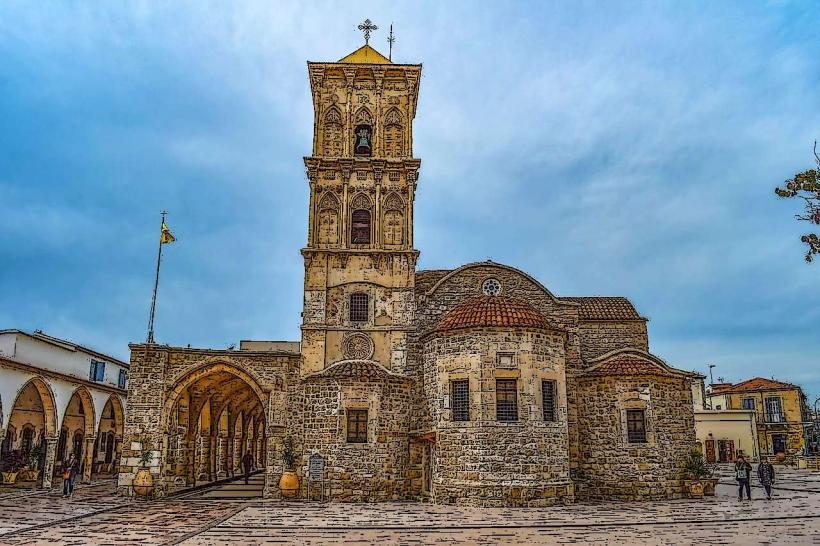
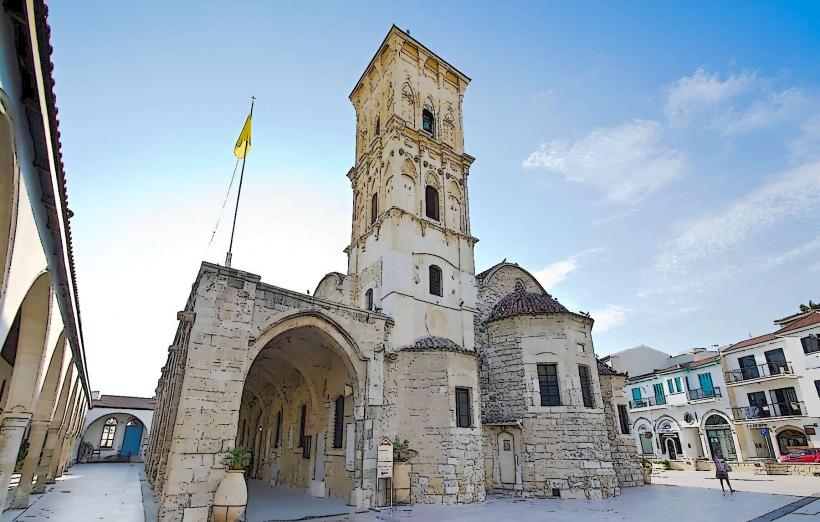
Local legend attributes the lake's creation to Saint Lazarus. After being exiled from Judea, he is said to have asked an old woman for food and drink. When she refused, claiming her vines were dry, Lazarus turned the vines into salt, thus creating the lake. Historically, the lake was a significant source of salt for Cyprus, with salt harvesting and export being a major industry until the 1980s.
Nearby Landmarks
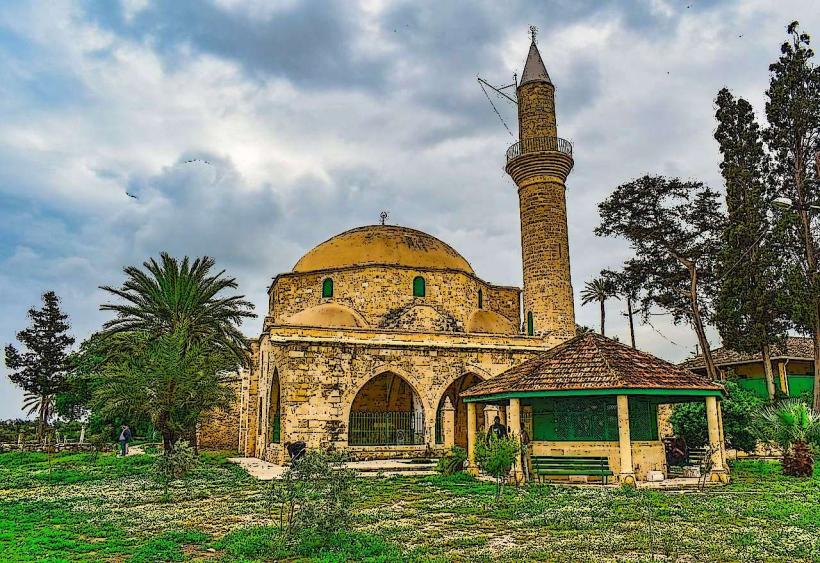
- Hala Sultan Tekke Mosque: 0.5km West
- Larnaca International Airport: 3km South
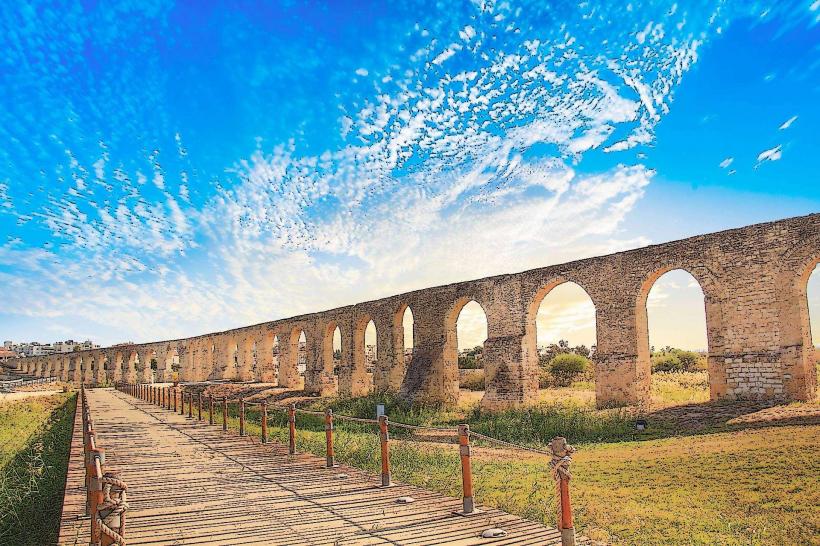
- Kamares Aqueduct: 2km North-west
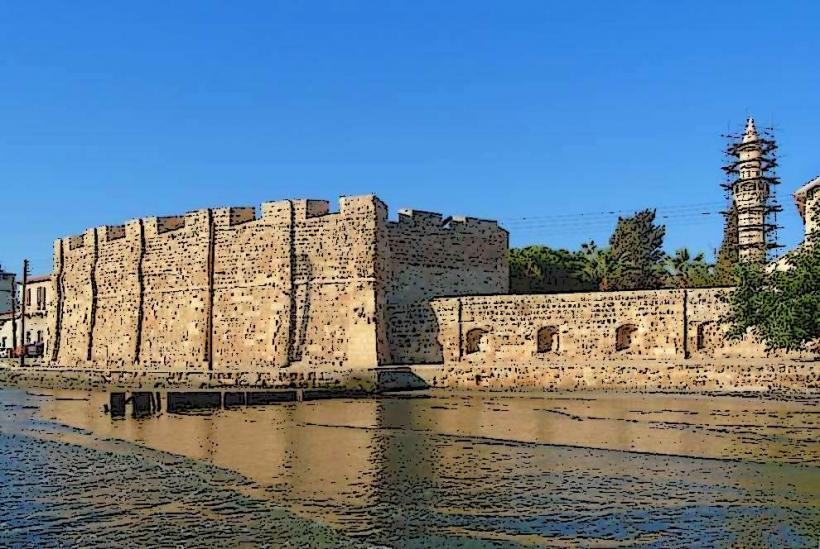
- Larnaca Medieval Castle: 4km East
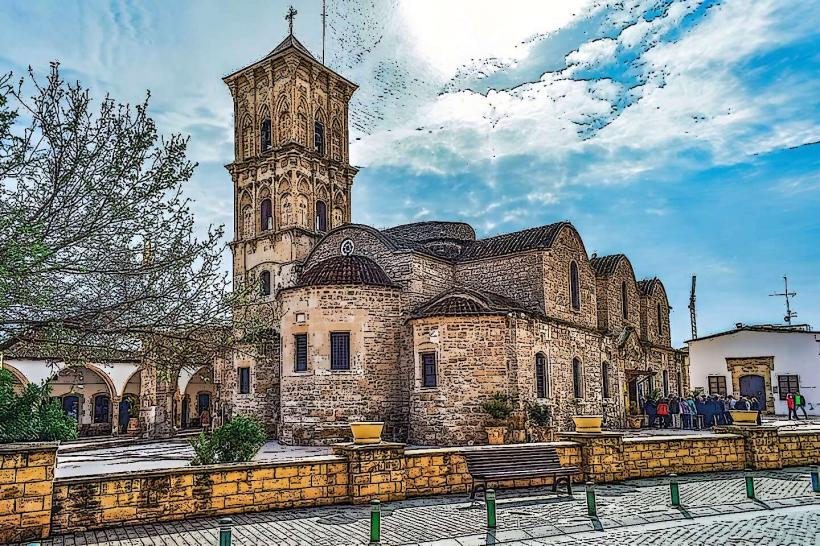
- Church of Saint Lazarus: 3.5km East