Information
Landmark: Lead MosqueCity: Berat
Country: Albania
Continent: Europe
Lead Mosque, Berat, Albania, Europe
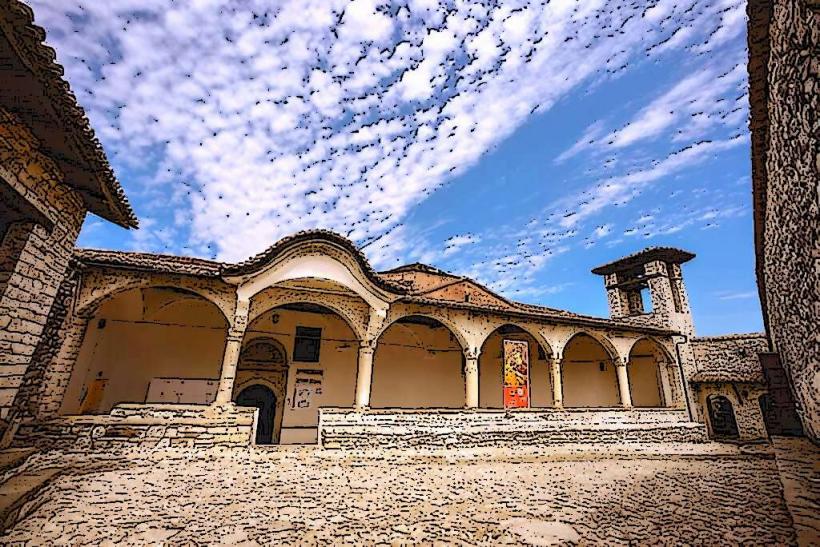
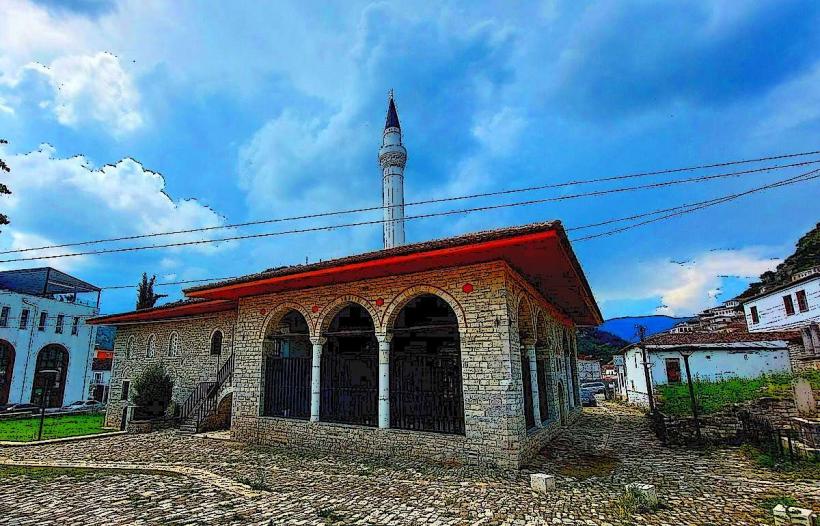
The Lead Mosque, also known as the Izgurli Mosque, is a 16th-century Ottoman religious structure located near the city center of Berat. It is situated at the entrance of the Mangalem district and is recognized for its distinct lead-covered domes.
Visual Characteristics
The mosque features a square prayer hall constructed from carved limestone blocks and a tall, slender minaret. Its primary architectural feature is the large central dome and four smaller corner domes, all clad in gray lead sheeting. The exterior masonry displays a precise "cloisonné" technique, alternating layers of stone and red brick.
Location & Access Logistics
The site is positioned on Bulevardi Republika, approximately 300 meters southeast of the Gorica Bridge. It is easily accessible on foot from the city’s main pedestrian promenade. Public buses serving the "Kala" or "Ura e Re" routes stop within 100 meters of the mosque. Limited street parking is available along the adjacent riverfront road.
Historical & Ecological Origin
The mosque was built between 1553 and 1554 by Ahmet Uzgurliu, a local feudal lord who had converted to Islam. It was designed as the centerpiece of a larger social complex (kulliye) that once included a madrasa and a library. The structure survived the religious purges of 1967 and remains a protected Cultural Monument of Albania.
Key Highlights & Activities
Visitors can observe the Ottoman stone-carving details on the portal and the transition from the square base to the octagonal drum of the dome. The interior is accessible to the public during non-prayer hours, featuring a simple mihrab and floral wall paintings. Photography is permitted from the exterior courtyard, which offers views of the minaret against the backdrop of the Mangalem Quarter.
Infrastructure & Amenities
The mosque is surrounded by a fenced garden with stone-paved walkways. There are no public restrooms or dedicated visitor facilities on the immediate grounds. 5G cellular signal is strong throughout the area. Numerous cafes, restaurants, and public facilities are located across the street on the main boulevard.
Best Time to Visit
The exterior is best photographed in the late morning when the sun highlights the texture of the stone walls and the metallic sheen of the lead domes. The mosque follows active prayer times; visitors should avoid entry during these sessions. The surrounding garden remains open and accessible throughout the day.
Facts & Legends
The mosque is called the "Lead Mosque" because of the expensive material used for its roof; during the World Wars, local stories suggest that parts of the lead were stripped to manufacture bullets, though the domes were later restored to their original appearance. It is one of the few mosques in Albania to have retained its original 16th-century lead covering.
Nearby Landmarks
Bachelor's Mosque: 0.3km West
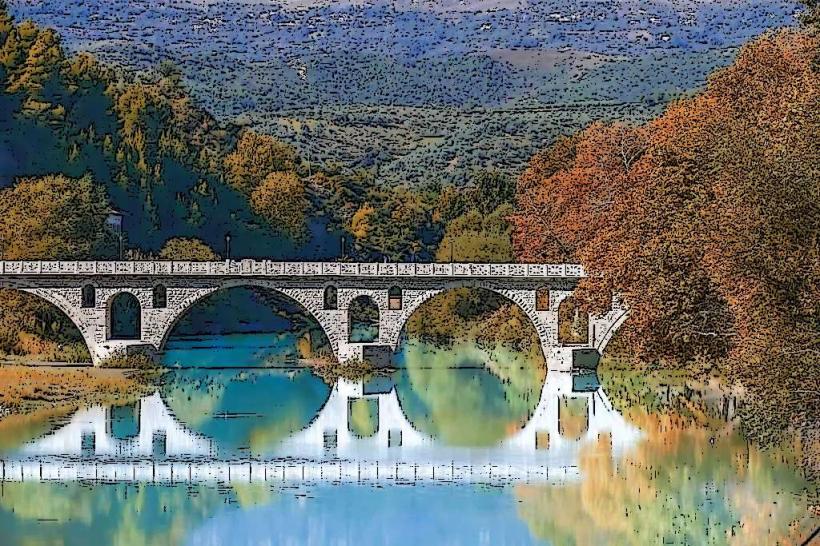
Gorica Bridge: 0.35km Northwest
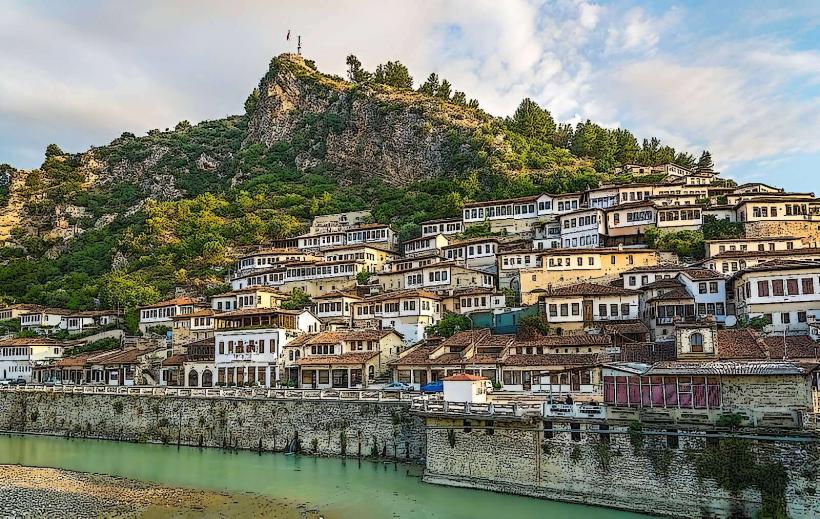
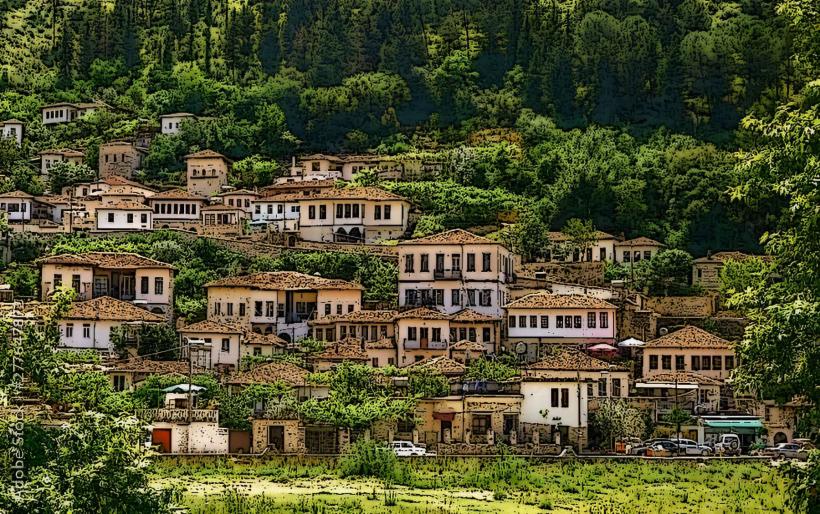
Mangalem Quarter: 0.2km North
King Mosque (Sultan's Mosque): 0.25km Northeast
Halveti Tekke: 0.25km Northeast