Information
Landmark: Saint Mary of Blachernae ChurchCity: Berat
Country: Albania
Continent: Europe
Saint Mary of Blachernae Church, Berat, Albania, Europe
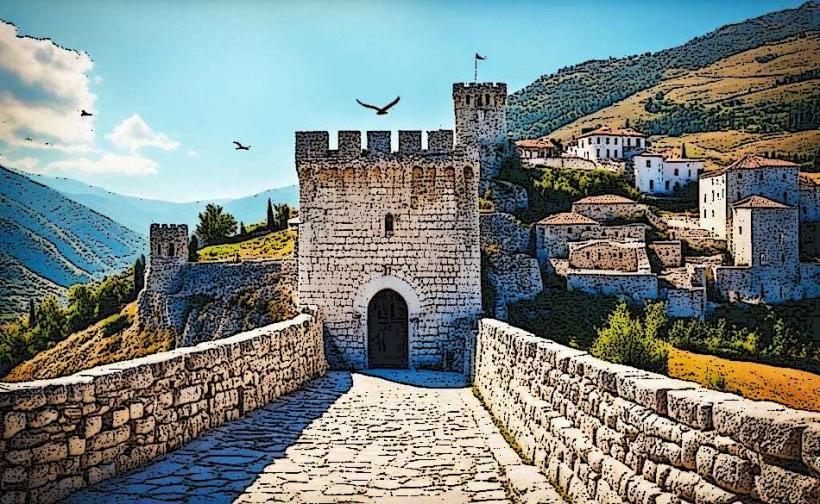
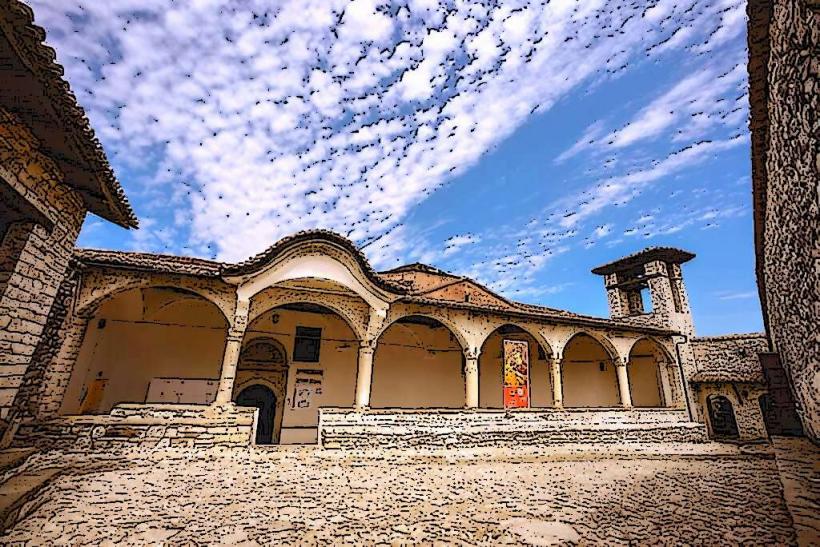
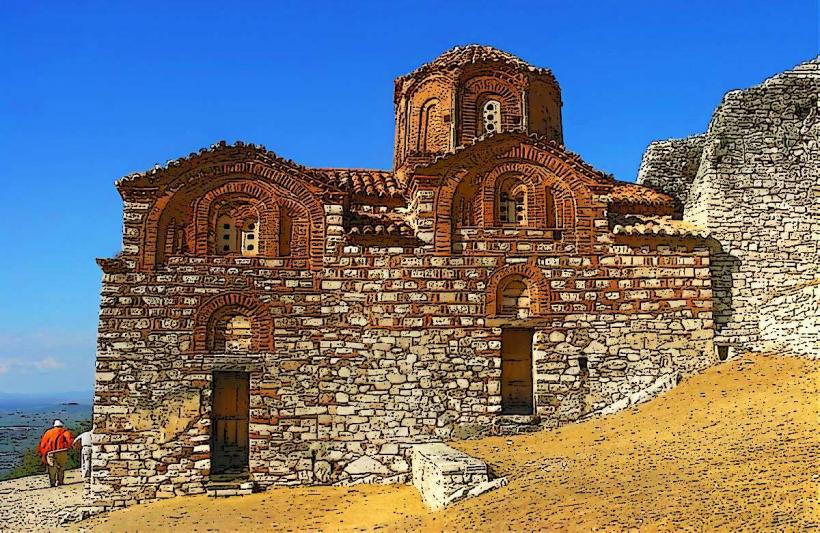
Saint Mary of Blachernae Church is a 13th-century Byzantine place of worship located within the northern fortifications of Berat-castle_berat" class="underline">Berat Castle. It is one of the oldest surviving religious structures in the city and is notable for its interior floor mosaics and extensive fresco cycles.
Visual Characteristics
The church is a rectangular, single-aisled building constructed from roughly hewn limestone and red brick. It features a simple pitched roof with terracotta tiles and a small, square apse on the eastern side. The interior walls are covered with post-Byzantine frescoes, while the floor contains a rare 13th-century mosaic composed of small stone tesserae arranged in geometric and floral patterns.
Location & Access Logistics
The structure is situated in the upper northwestern quadrant of the Berat Castle (Kala) complex. It is accessed via the main pedestrian gate of the castle followed by a 400-meter walk through the residential alleys of the fortress. There is no direct vehicle access to the church door; visitors must park at the castle entrance or use the "Kala" bus line from the city center and complete the journey on foot.
Historical & Ecological Origin
The current structure dates to the 13th century, built on the foundations of a much older 5th or 6th-century Paleo-Christian basilica. Its name refers to the famous Blachernae Church in Constantinople, reflecting the strong Byzantine influence in the region during the Despotate of Epirus. The interior was re-decorated in 1578 by the painter Nikolla, son of the master Onufri.
Key Highlights & Activities
The primary attraction is the fresco cycle depicting biblical scenes and figures of saints, which represents the transition of Albanian art into the late 16th century. Visitors can also view the original floor mosaic, which is protected by glass or low barriers. The site is a frequent stop for specialized architectural and art history tours of the castle.
Infrastructure & Amenities
The church is a small, unheated stone building with no interior lighting other than natural light from small windows. There are no public restrooms or food vendors at the church site, though these are available within 300 meters at the center of the castle. 5G cellular signal is functional but weak inside the thick stone walls. Shade is only available within the building itself.
Best Time to Visit
The church is best visited during midday hours when the sun is high enough for light to enter the small windows, illuminating the frescoes and floor mosaics. Access is subject to the museum's opening hours or the availability of the key-holder, as it is often kept locked to preserve the delicate interior. It is open year-round, with spring providing the most comfortable walking temperatures.
Facts & Legends
According to local tradition, the church was built by a high-ranking Byzantine official as a private chapel. A unique detail in the frescoes is the depiction of the donors in contemporary 16th-century attire, providing a rare historical record of the clothing and social status of the Berat nobility during the early Ottoman period.
Nearby Landmarks
Onufri National Museum: 0.2km South
Holy Trinity Church: 0.25km Southwest
St. Nicholas Church: 0.1km East
Red Mosque Ruins: 0.4km South
Berat Castle Northern Walls: 0.05km North