Information
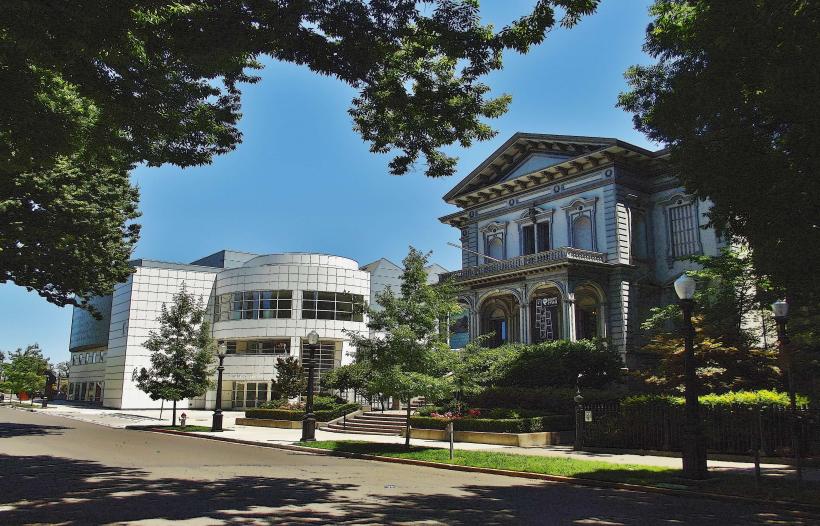
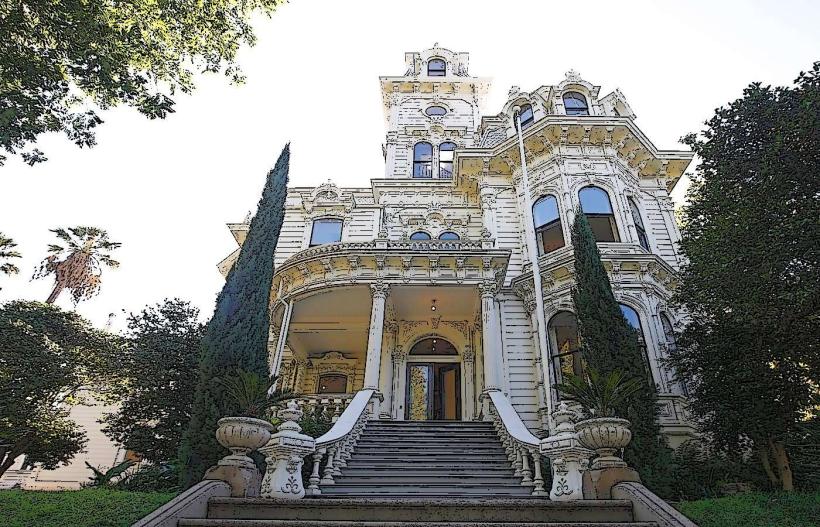
Landmark: Liberty Towers ChurchCity: Sacramento
Country: USA California
Continent: North America
Liberty Towers Church, Sacramento, USA California, North America
The Gran Sabana is a vast savanna region located within Canaima National Park in Venezuela. It is characterized by its expansive, open landscapes and unique geological formations.
Visual Characteristics
The landscape consists of extensive grasslands interspersed with low-lying shrubs and scattered trees. Dominant geological features are the tepuis, large, flat-topped mountains with sheer vertical cliffs. The soil is predominantly sandy and nutrient-poor. Rivers and waterfalls are common throughout the region, with water color varying from clear to reddish-brown due to tannins from vegetation.
Location & Access Logistics
The Gran Sabana is situated in the southeastern part of Canaima National Park. Access is primarily via the Troncal 10 highway, which runs through the region. The nearest major town is Santa Elena de Uairén, approximately 30 kilometers south of the main savanna area. Vehicle access requires a 4x4 vehicle due to unpaved sections and river crossings. There are no public transport services directly within the Gran Sabana itself. Limited parking is available at designated viewpoints and near some waterfalls.
Historical & Ecological Origin
The Gran Sabana is part of the Guiana Shield, one of the oldest geological formations on Earth. The tepuis are ancient Precambrian sandstone formations, eroded over millions of years. The savanna ecosystem is a result of the region's climate, soil type, and fire regimes. Indigenous Pemón communities have inhabited this area for centuries, with their history intertwined with the land.
Key Highlights & Activities
Hiking to the base of waterfalls such as Salto Kama and Salto Kawi. Observing the unique flora and fauna adapted to the savanna environment. Visiting viewpoints to observe the tepuis, including Roraima and Auyantepuy. Swimming in natural pools at the base of waterfalls. Photography of the expansive landscapes and geological formations.
Infrastructure & Amenities
Restrooms are available at some tourist stops and near Santa Elena de Uairén. Shade is limited in the open savanna, but can be found near waterfalls and in forested areas. Cell phone signal is intermittent and generally unavailable in remote areas. Basic food vendors and small restaurants are located in Santa Elena de Uairén and at some roadside stops along Troncal 10.
Best Time to Visit
The dry season, from December to April, offers the most favorable weather conditions with less rainfall. The wet season, from May to November, can lead to higher river levels and more challenging road conditions. For photography, early morning and late afternoon provide optimal lighting for the tepuis and landscapes.
Facts & Legends
The tepuis are often referred to as "islands in time" due to their isolation, which has led to the evolution of unique endemic species. Local Pemón legends speak of the tepuis as sacred mountains, home to spirits and ancient beings.
Nearby Landmarks
- Canaima Lagoon (60km Northwest)
- Salto Ángel (Angel Falls) (Approx. 70km Northwest, accessible via Canaima Lagoon)
- Mount Roraima (Approx. 50km Southwest)
- Kavak Caves (Approx. 40km South)
- Uruyén (Approx. 65km Northwest)