Information
Landmark: Mahkama du PachaCity: Casablanca
Country: Morocco
Continent: Africa
Mahkama du Pacha, Casablanca, Morocco, Africa
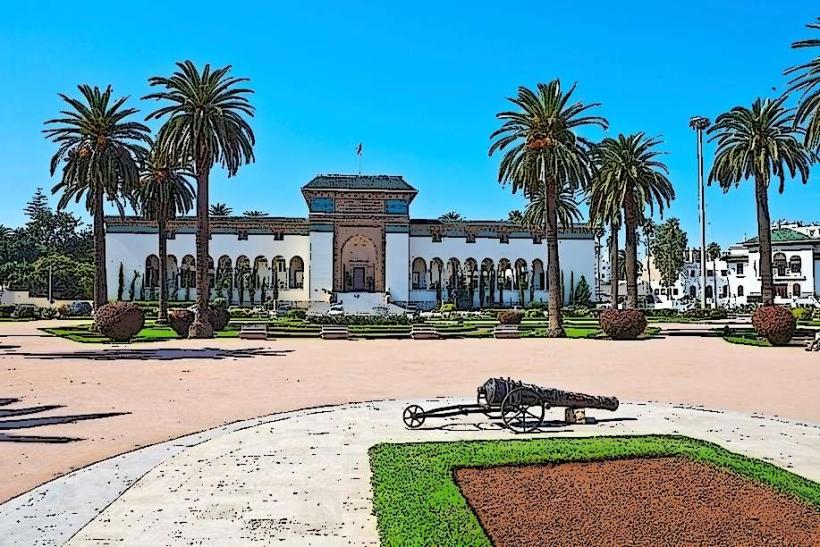
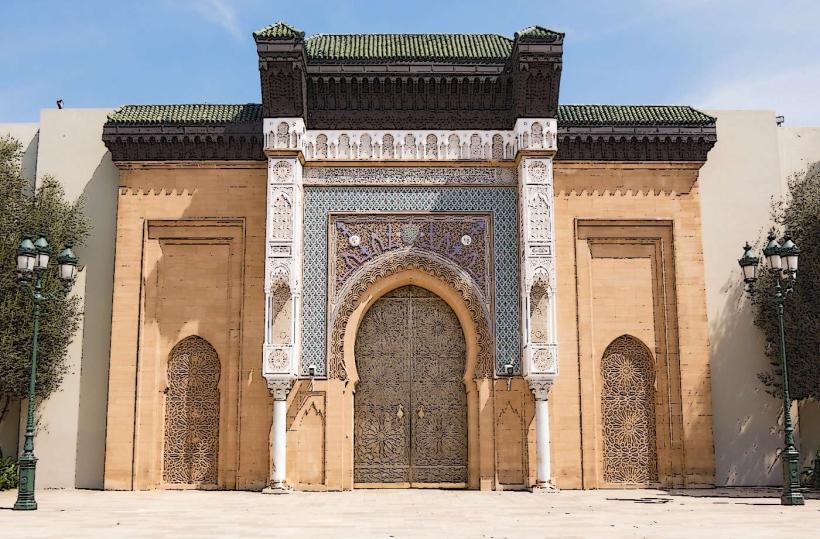
The Mahkama du Pacha is a governmental building located in Casablanca, Morocco. It serves as a courthouse and administrative center.
Visual Characteristics
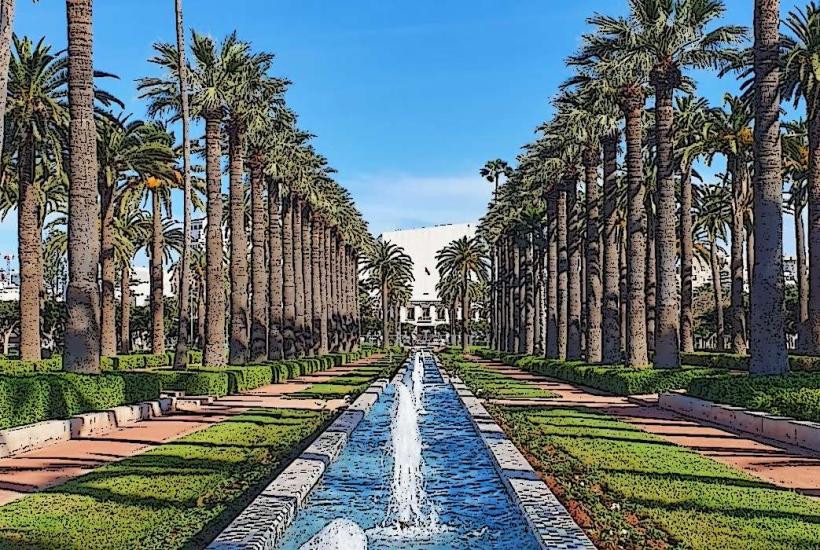
The structure is constructed primarily from red sandstone, exhibiting a Moorish architectural style. It features multiple courtyards, intricate tilework (zellige), carved stucco, and ornate wooden ceilings. The building is characterized by its numerous arches, domes, and minaret-like towers. Its exterior is largely unadorned, focusing on the detailed craftsmanship within its interior spaces.
Location & Access Logistics
The Mahkama du Pacha is situated in the Habous district of Casablanca, approximately 3 kilometers southeast of the city center. Access is via Boulevard Mohammed V, turning onto Rue Oued Zem. Limited street parking is available in the vicinity. Public transport options include local bus lines that stop near the Habous area; specific line numbers vary and should be confirmed locally.
Historical & Ecological Origin
Construction of the Mahkama du Pacha was completed in 1941. It was designed by French architect Auguste Perret, though its style draws heavily from traditional Moroccan architecture. The building was originally intended to house administrative offices and courts, reflecting the French colonial administration's presence in Morocco.
Key Highlights & Activities
Visitors can observe the detailed architectural elements, including the courtyards and decorative tilework. Guided tours are sometimes available, focusing on the building's history and design. Photography inside the main halls may be restricted.
Infrastructure & Amenities
Restrooms are available for public use. Limited shaded areas are present within the courtyards. Cell phone signal (4G/5G) is generally reliable within the building. Food vendors and cafes are located in the surrounding Habous district.
Best Time to Visit
The best time of day for interior photography, if permitted, is mid-morning when natural light enters the courtyards. The best months for visiting are generally from March to May and September to November, avoiding the peak summer heat and winter rains.
Facts & Legends
A notable detail is the building's name, "Mahkama du Pacha," which translates to "Palace of the Pasha." While it functions as a courthouse, its grand scale and ornate interiors were intended to project authority and permanence.
Nearby Landmarks
- Habous Quarter (New Medina) - 0.2km West
- Royal Palace of Casablanca - 1.5km Southwest
- Hassan II Mosque - 3.0km Northwest
- Parc de la Ligue Arabe - 2.5km West