Information
City: CasablancaCountry: Morocco
Continent: Africa
Casablanca, Morocco, Africa
Casablanca is the economic capital and largest city of Morocco, serving as the country's primary financial hub and main Atlantic port. It is located on the Chaouia Plain in central-western Morocco.
Historical Timeline
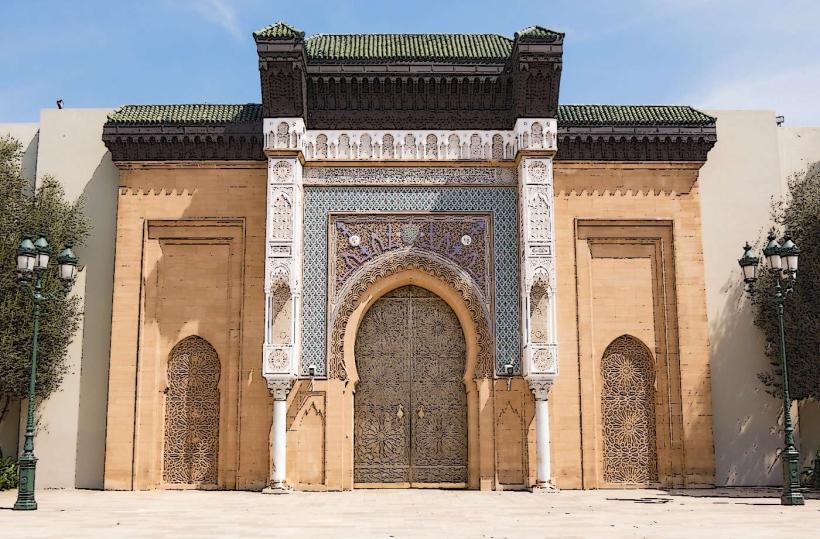
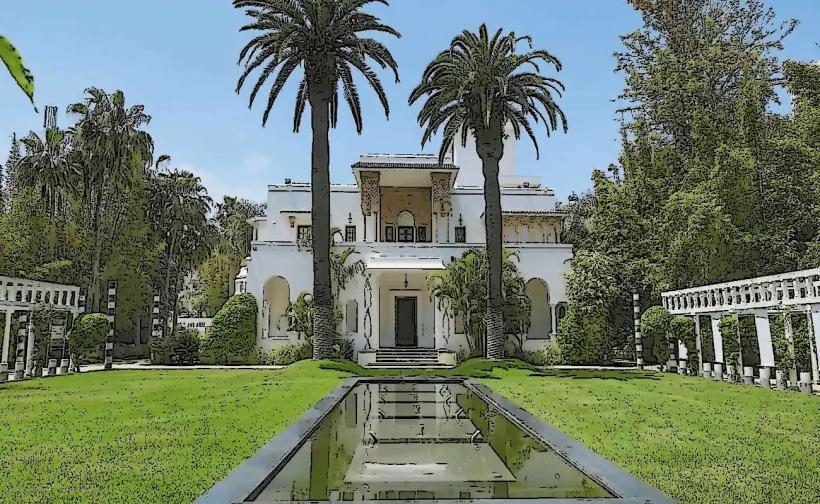
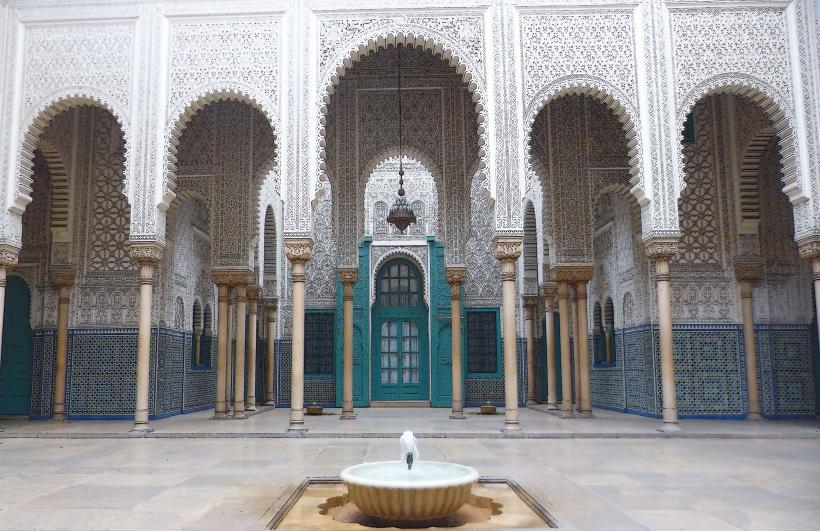
Originally a Berber settlement named Anfa, the city was destroyed by the Portuguese in 1468 and rebuilt as a fortress named "Casa Branca" in 1515. Following the 1755 Lisbon earthquake, Sultan Mohammed ben Abdallah reconstructed the medina in 1770, renaming it Dar el-Beida (Arabic for "White House"). The primary event shaping its current urban form was the 1912 French Protectorate, where urbanist Henri Prost implemented a "dual city" design, separating the historic medina from a modern European-style "Ville Nouvelle" characterized by Mauresque and Art Deco architecture.
Demographics & Population
The estimated population for Greater Casablanca in 2026 is 4,350,000, with approximately 3.3 million within the city proper. The population is predominantly Arab-Berber, with a significant community of sub-Saharan African migrants and European expatriates. The median age is 33.5 years.
Urban Layout & Key Districts
The city radiates from the Place des Nations Unies and the Port. Key districts include:
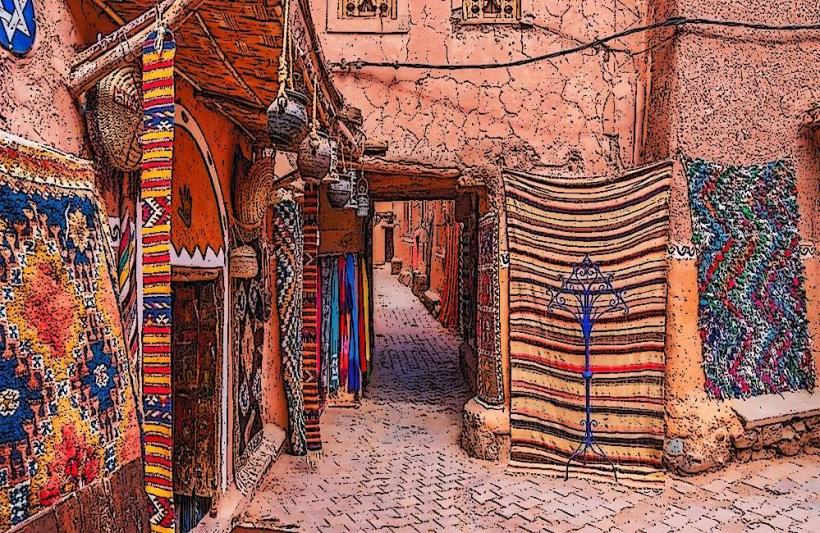
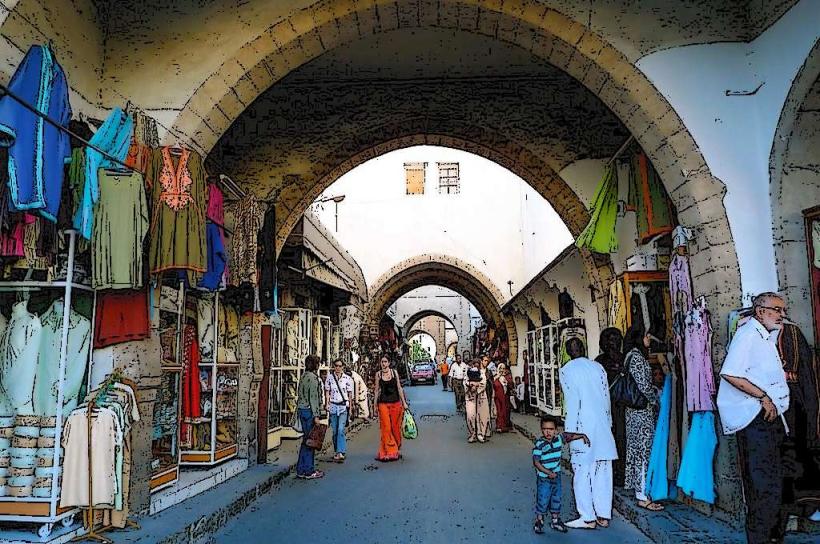
The Medina: The historic 18th-century core.
Gueliz/Centre Ville: The Art Deco heart of the city.
Maârif: A trendy commercial and upscale residential zone.
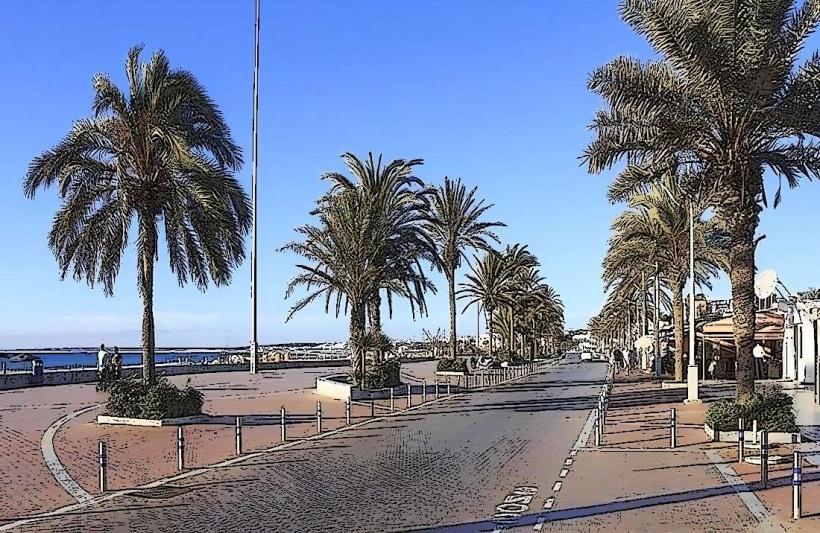
La Corniche (Ain Diab): The seaside leisure and nightlife strip.
Habous (New Medina): A 1920s-built district designed to look traditional but with modern infrastructure.
Top City Landmarks
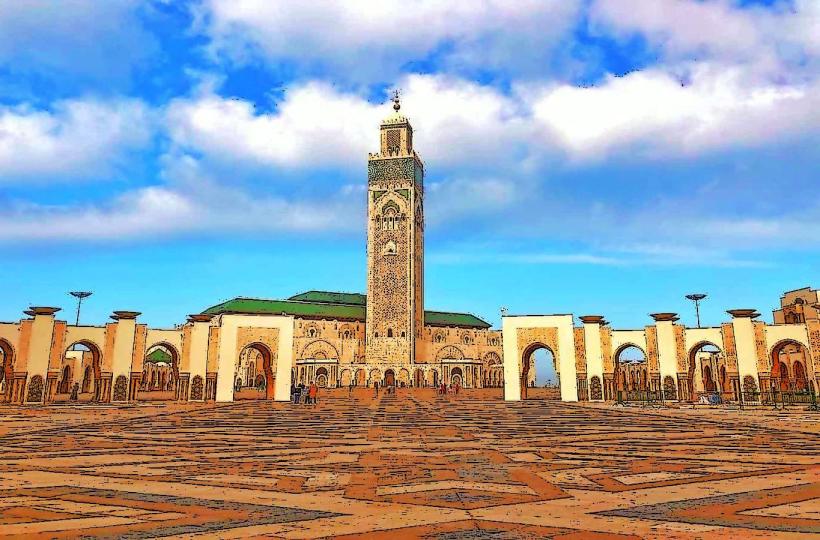
Hassan II Mosque (World's second-tallest minaret; built partially over the Atlantic)
Rick's Café (A physical recreation of the bar from the 1942 film)
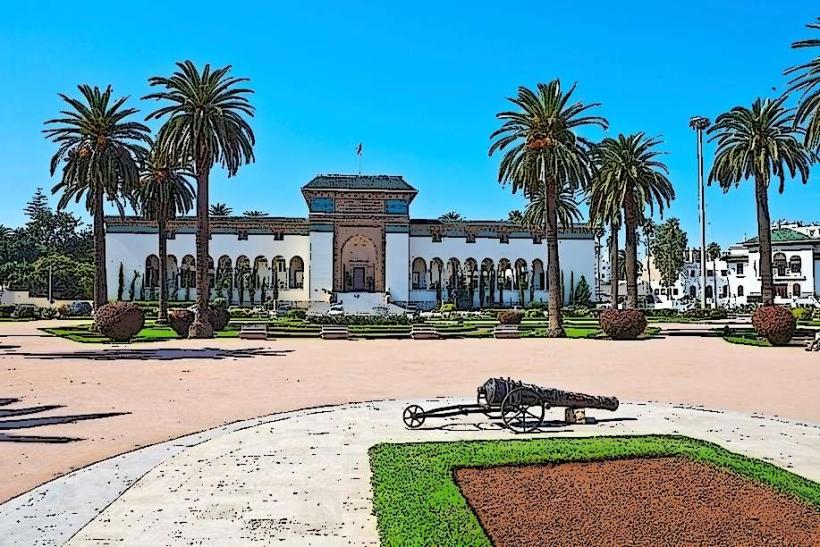
Place Mohammed V (Administrative center featuring Art Deco architecture)
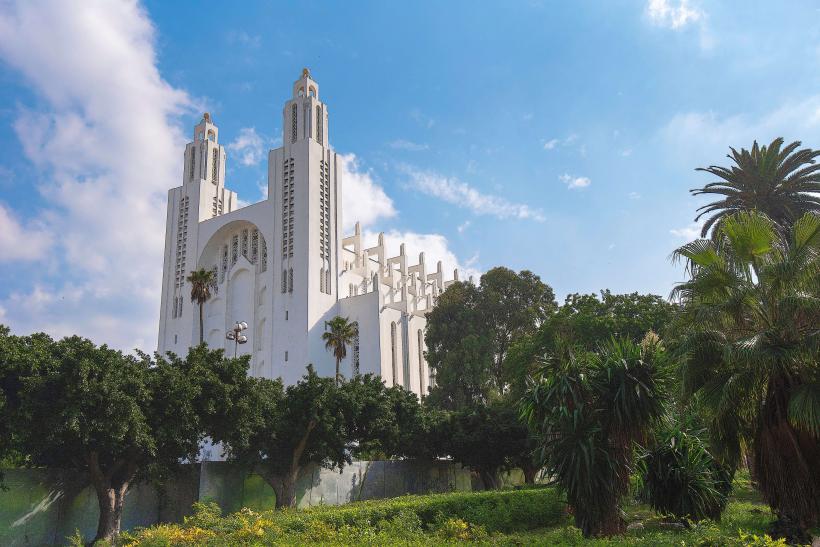
Cathedral of the Sacred Heart (Brutalist-style former cathedral)
Morocco Mall (One of Africa's largest shopping centers)
Transportation Network
Intra-city transit is facilitated by the Casablanca Tramway, which operates four lines (T1–T4) as of 2026. "Petit Taxis" (red-colored hatchbacks) operate within city limits, while "Grand Taxis" (white sedans or vans) handle inter-city routes. Ride-sharing via Careem and Yango is established. Traffic density is extreme, particularly at the Casa-Port and Zenith intersections. Casablanca is also the southern terminus for the Al Boraq high-speed rail line to Tangier.
Safety & "Red Zones"
The general safety level is moderate. Petty theft and pickpocketing are high-risk in the Old Medina and the central market. Areas to avoid after dark include the outskirts of Hay Mohammadi and certain peripheral segments of the port. Common scams involve "aggressive street guides" and overcharging in unmetered taxis; travelers should insist on using the "compteur" (meter) in red taxis.
Digital & Financial Infrastructure
Average internet speed is 50-70 Mbps. Main mobile carriers are Maroc Telecom, Orange, and Inwi. Credit card acceptance is high in malls, hotels, and Maârif, but cash (Dirham) remains the standard in the Medina and for all taxis. ATMs are ubiquitous in the city center and shopping districts.
Climate & Air Quality
Temperatures range from 9°C in winter to 27°C in summer. The Atlantic proximity prevents extreme heat but increases humidity. Air quality is often "Moderate" to "Unhealthy for Sensitive Groups" due to heavy industrial and vehicle emissions. Significant weather risks include seasonal flooding during November and December.
Culture & Social Norms
Tipping of 10% is standard in restaurants; rounding up fares is customary for taxis. Handshakes are the common greeting, often followed by touching the right hand to the heart. Dress codes are more liberal than in rural Morocco, but modest clothing is required for mosques and government offices. Alcohol is available in licensed bars and specific supermarkets (e.g., Carrefour/Marjane) but prohibited in public spaces.
Accommodation Zones
Maârif / Gauthier: Recommended for modern dining, retail, and a safer residential feel.
Sour Jdid / Corniche: Recommended for luxury hotels with ocean views and proximity to the Hassan II Mosque.
Local Cost Index
1 Espresso: 18 MAD ($1.80 USD)
1 Standard Lunch (Tagine/Plat du jour): 90 MAD ($9.00 USD)
1 Tram Ticket: 8 MAD ($0.80 USD)
Nearby Day Trips
Rabat (National Capital): 90 km (1 hour via train)
El Jadida (Portuguese Fortress): 100 km (1.5 hours)
Azemmour (Artistic river town): 80 km
Mohammedia (Coastal resort): 30 km
Facts & Legends
Despite the global fame of the 1942 film Casablanca, no part of the movie was actually filmed in the city; it was shot entirely on a Hollywood soundstage. A local historical oddity is the "Habous" district, which was commissioned by the French to solve a housing crisis but built by traditional craftsmen to mimic a 14th-century medina, creating a "perfect" version of Moroccan architecture that never actually existed in the city's history.