Information
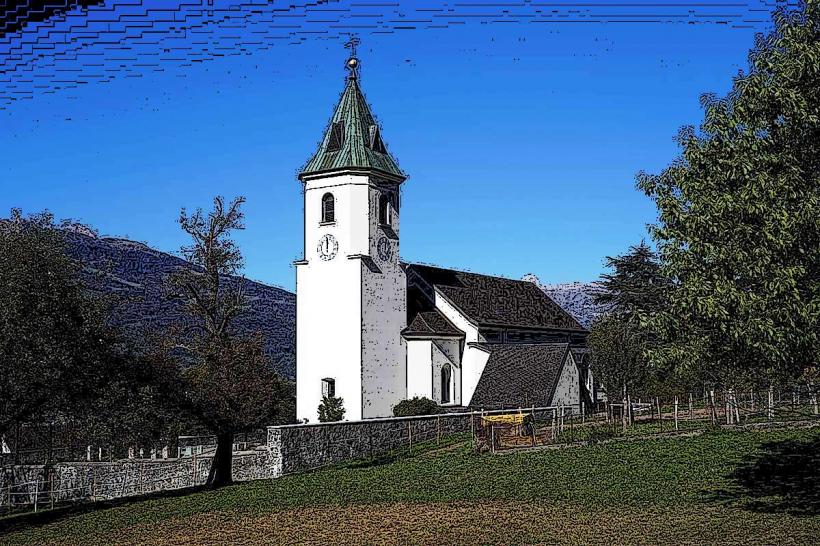
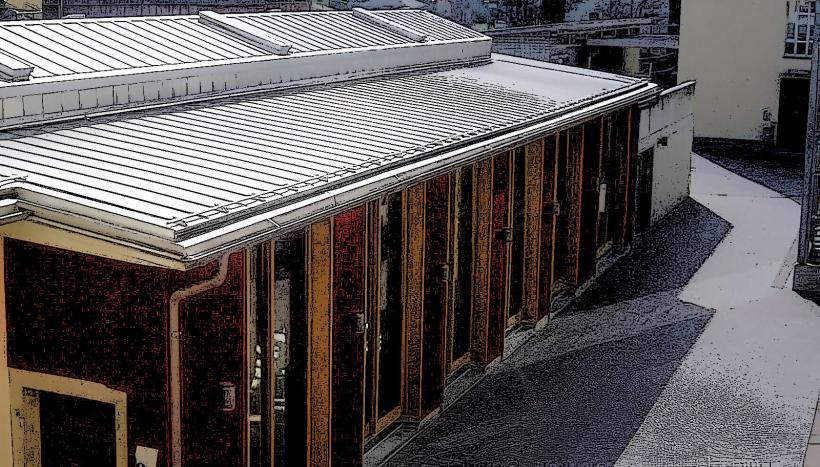
Landmark: Maria Hilf ChapelCity: Triesen
Country: Liechtenstein
Continent: Europe
Maria Hilf Chapel, Triesen, Liechtenstein, Europe
Overview
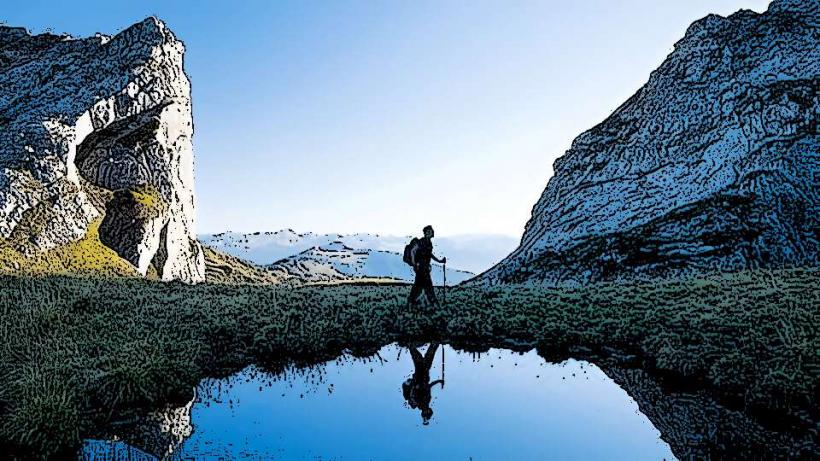
As you can see, The Walserweg Hiking Trail winds across borders, honoring the rich history and traditions of the Walser people-German speakers who left Switzerland’s Valais (Wallis) centuries ago for high Alpine valleys in Liechtenstein, Austria, and northern Italy, where the scent of pine still lingers in the air, besides the trail follows their heritage routes, revealing vibrant traditions, stone-built homes, and a bond with the mountains that runs as deep as the pine-scented air.The Walserweg traces its roots to the 12th and 13th centuries, when the Walser people left their crowded mountain valleys, drawn by fertile land and promises of reward from neighboring rulers, simultaneously they made their homes high in the mountains, carrying with them hard-won skills in alpine farming and building stone houses that could withstand harsh winters.The Walserweg traces their legacy, still visible in the local speech, steep-roofed cottages, and terraced fields, as well as it’s not just one path, but a network of trails linking former Walser villages across the Alps.In Liechtenstein, the Walserweg winds through parts of a larger trail network, connecting villages with a shared Walser past, in conjunction with depending on the stretch, it might be a gentle stroll or a steep climb over rocky alpine slopes.Just so you know, In Triesenberg, a village the Walser founded centuries ago, the route feels especially rooted in their history, while triesenberg is still the heart of Walser culture, where a distinct dialect rings through the village streets and centuries-aged wooden houses stand firm against the mountain wind.From here, you can wander to Gaflei, a tiny hamlet with sweeping views and trails that climb into the high Alps, or head to Malbun, the country’s main ski and hiking hub, where paths link to the Walserweg, in turn this trail winds through flower-strewn meadows, murky spruce forests, and villages with steep-roofed farmhouses, pausing at chapels and alpine barns marked with signs that share their history.You might spot a marmot sunning on a rock, catch the flash of an ibex on a ridge, or breathe in the peppery scent of wild thyme along the path, in addition lower sections are gentle enough for families, while the high routes demand stamina and a head for heights, relatively Along the way, interpretive stops tell the story of Walser migrations, survival in harsh winters, and the customs that shaped the region, with festivals in Triesenberg offering music, food, and dancing, also the best time to hike is May to October, when snow has melted from the passes, and you can stay in huts, guesthouses, or village hotels.Public transport links make it easy to join or leave the route at several points, and if you’re hungry for more, the Walserweg continues into Switzerland, Austria, and Italy, threading through landscapes and cultures bound by a shared alpine heritage, then in Liechtenstein, the trail invites you to hike in the footsteps of the Walser settlers, cross ridges with sweeping mountain views, and step into the living traditions of alpine life.Whether you’ve logged countless miles on mountain trails or you’re drawn to the past, the Walserweg invites you into an unforgettable journey, where alpine peaks frame your path and centuries-classical stories linger in the air.
Author: Tourist Landmarks
Date: 2025-09-07