Information
Landmark: Masjid Agung CirebonCity: Cirebon
Country: Indonesia
Continent: Asia
Masjid Agung Cirebon, Cirebon, Indonesia, Asia
Masjid Agung Cirebon (Great Mosque of Cirebon) is one of the most significant and historic mosques in Cirebon, West Java, Indonesia. It is a blend of Javanese, Islamic, and Chinese architectural styles, reflecting the cultural diversity of the Cirebon region. The mosque holds an important place in the history of Islam in Cirebon and is a key symbol of the city’s religious and cultural heritage.
History and Significance
- Foundation: The mosque was founded in the 15th century, during the reign of Sultan Maulana Hasanuddin, the first Sultan of Cirebon, who was instrumental in spreading Islam in the region.
- Cultural Role: Masjid Agung Cirebon is not just a place of worship, but also an important cultural and community center for the Muslim population in Cirebon. It plays a key role in religious ceremonies, Islamic education, and the preservation of traditional Islamic values.
- Religious Importance: It serves as the center for various Islamic religious activities, including daily prayers, special events during Islamic holidays, and the famous Friday prayers that attract many local worshippers.
Architectural Style and Features
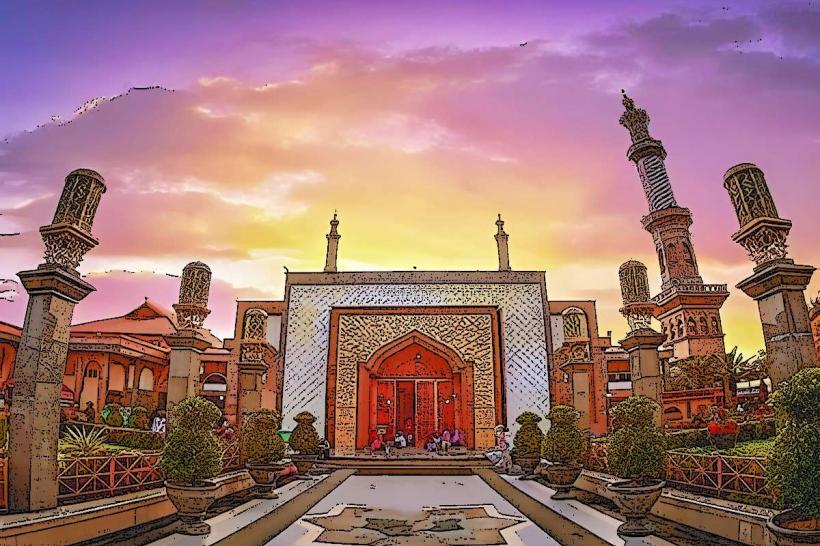
Masjid Agung Cirebon’s architecture is an eclectic mix of various styles, influenced by Javanese, Islamic, and Chinese elements, making it a unique architectural landmark.
1. Javanese and Islamic Design
- The mosque is designed in a Javanese architectural style with a roof that is tiered like a traditional Javanese house. This design reflects the local cultural identity of Cirebon.
- The main structure of the mosque features a large open prayer hall and is supported by wooden columns adorned with intricate carvings and decorative elements.
- The minaret of the mosque, although smaller compared to other mosques, has a distinctive design with an octagonal shape. It is an important feature, symbolizing the connection between Islam and local cultural heritage.
2. Chinese Influences
- The mosque’s entrance gates and several other architectural details, including the ornate wooden carvings, showcase Chinese artistic influences. This is due to the historical interactions between Cirebon and Chinese traders in the region.
- The influence of Chinese culture is also visible in the tile work, where traditional Chinese patterns are blended with Islamic motifs.
3. Carved Wooden Doors
- One of the unique features of Masjid Agung Cirebon is its elaborate carved wooden doors, which are beautifully crafted with intricate designs that combine Islamic calligraphy with traditional Javanese patterns.
4. The Large Pendopo
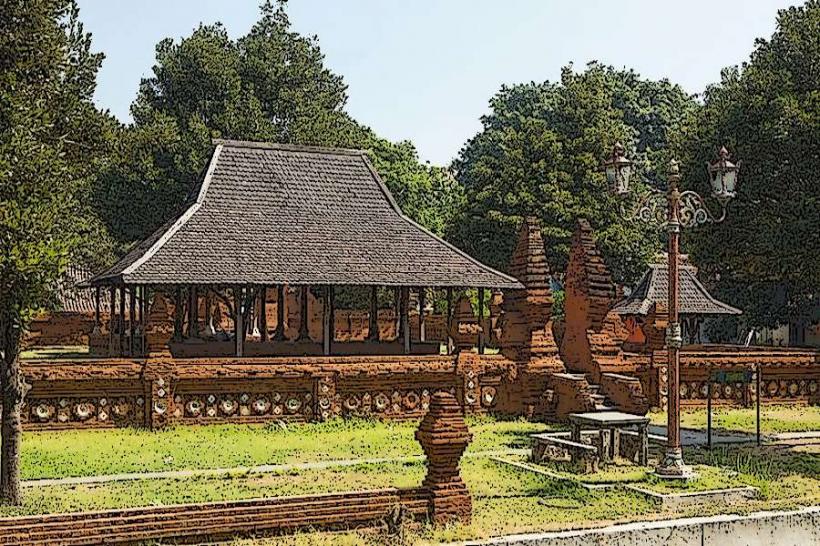
- The mosque is surrounded by a pendopo (a traditional open pavilion), which is used for social and religious gatherings. The pendopo also serves as a place for community discussions and hosting religious ceremonies.
- The pendopo is an integral part of the mosque’s layout, as it encourages the involvement of the community in activities and creates an open, inviting atmosphere for worshippers.
Cultural and Religious Events
- Friday Prayers: Masjid Agung Cirebon is an important mosque for Friday prayers (Jumu'ah), where local worshippers gather in large numbers for the weekly congregational prayer.
- Islamic Holidays: The mosque hosts special prayers and celebrations during major Islamic holidays, such as Eid al-Fitr and Eid al-Adha, attracting worshippers from Cirebon and the surrounding areas.
- Religious Gatherings: It is also the venue for various religious activities, including Quranic recitations, lectures, and community service events.
Nearby Attractions
While visiting Masjid Agung Cirebon, you may want to explore the following nearby attractions in the city:
- Keraton Kasepuhan: The royal palace of the Sultanate of Cirebon, known for its historical significance and beautiful architecture.
- Trusmi Batik Village: A famous village known for its traditional Cirebon batik textiles. Visitors can watch the batik-making process and purchase high-quality batik products.
- Grage Mall: A shopping center in Cirebon for those looking to explore local and international goods.
Visiting Masjid Agung Cirebon
- Location: The mosque is centrally located in Cirebon, making it easy for visitors to access while exploring the city.
- Opening Hours: Masjid Agung Cirebon is open for daily prayers, and visitors are welcome outside of prayer times. However, visitors are encouraged to observe the mosque's customs, such as dressing modestly when visiting.
- Guided Tours: If you wish to learn more about the mosque's history, architecture, and significance, a guided tour is recommended. The tour guides can provide insights into the unique blend of cultural influences in the mosque.
Best Time to Visit
- Morning or Afternoon: The mosque is less crowded during these times, offering a peaceful visit.
- Islamic Holidays: If you wish to experience the mosque’s grand celebrations, visit during Eid al-Fitr or Eid al-Adha. These holidays feature special prayers, events, and a festive atmosphere at the mosque.
Masjid Agung Cirebon stands as a symbol of Cirebon’s cultural and religious identity, with its blend of local traditions, Islamic values, and Chinese influences. It is not only an architectural gem but also a vibrant center of community life and religious practice in the region.