Information
Landmark: Medina of MeknesCity: Meknes
Country: Morocco
Continent: Africa
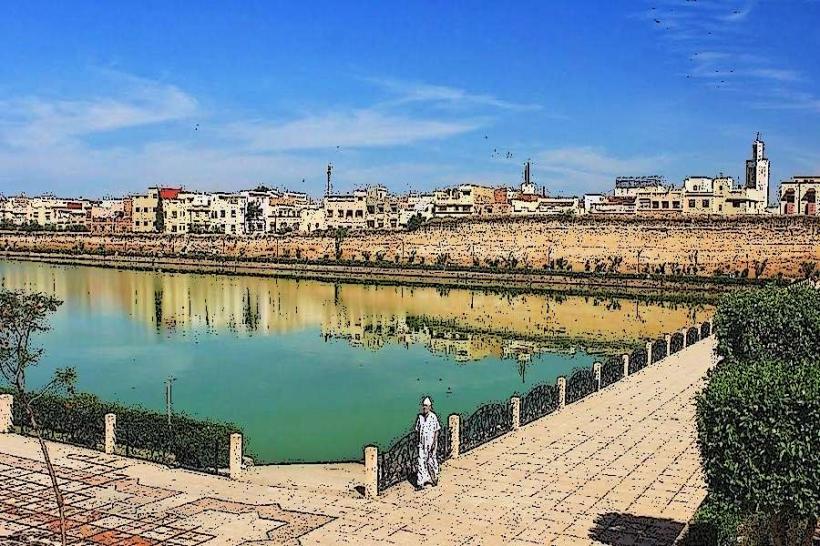
Medina of Meknes, Meknes, Morocco, Africa
Overview
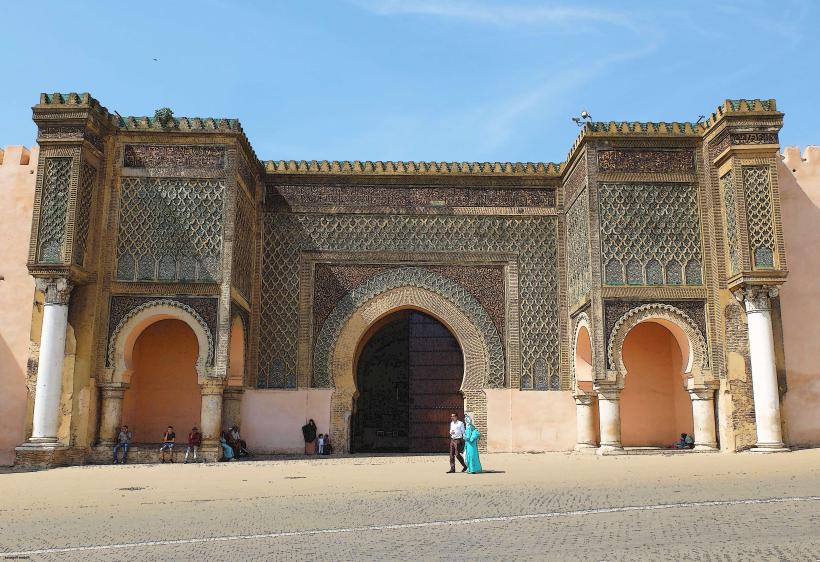
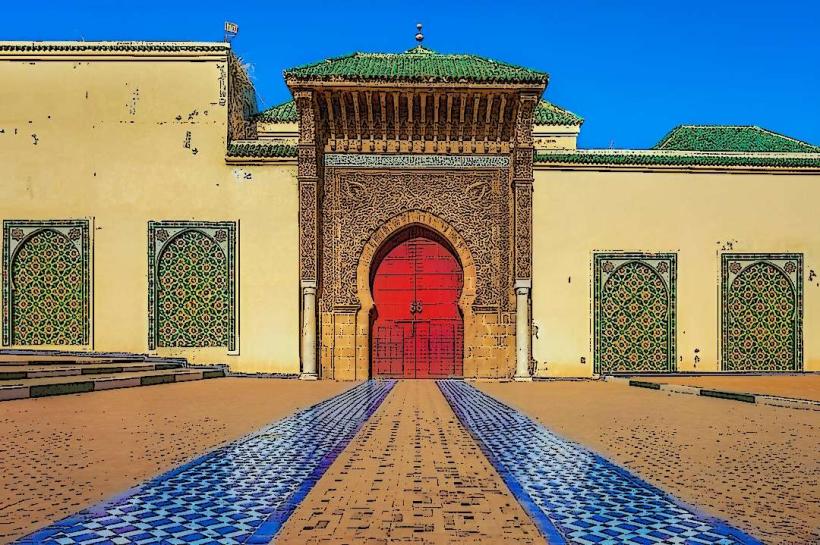
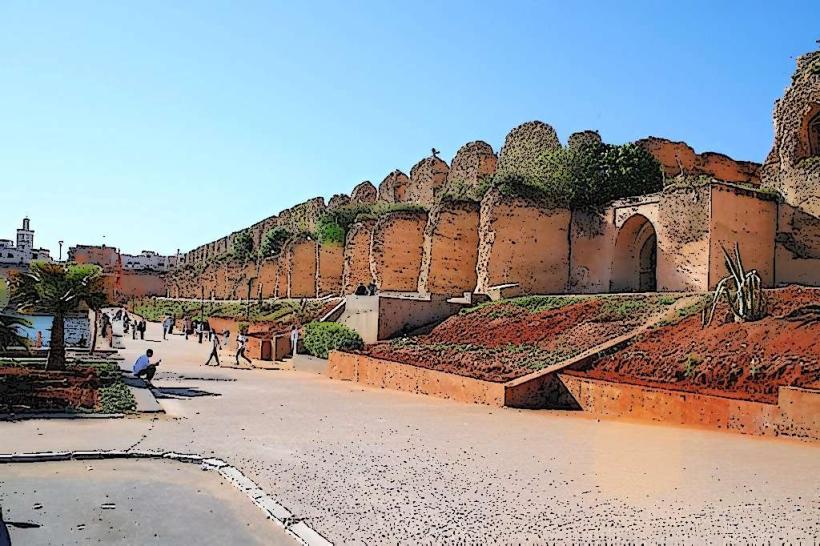
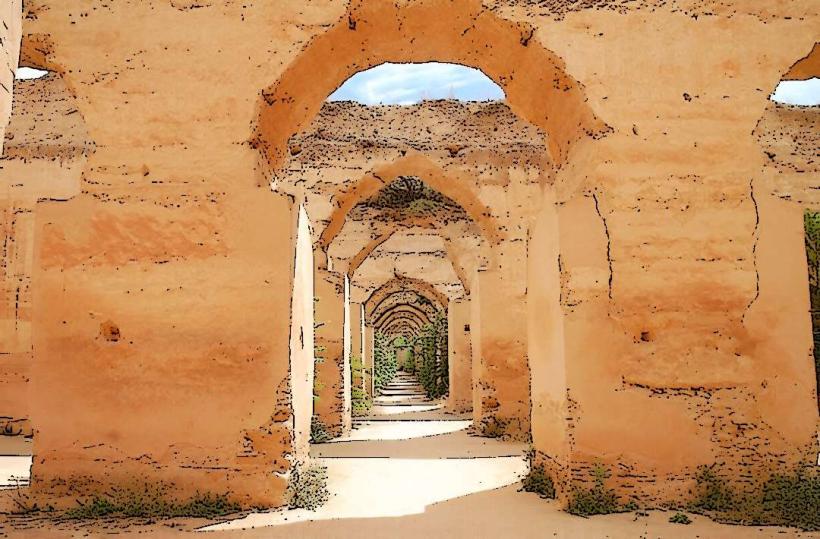
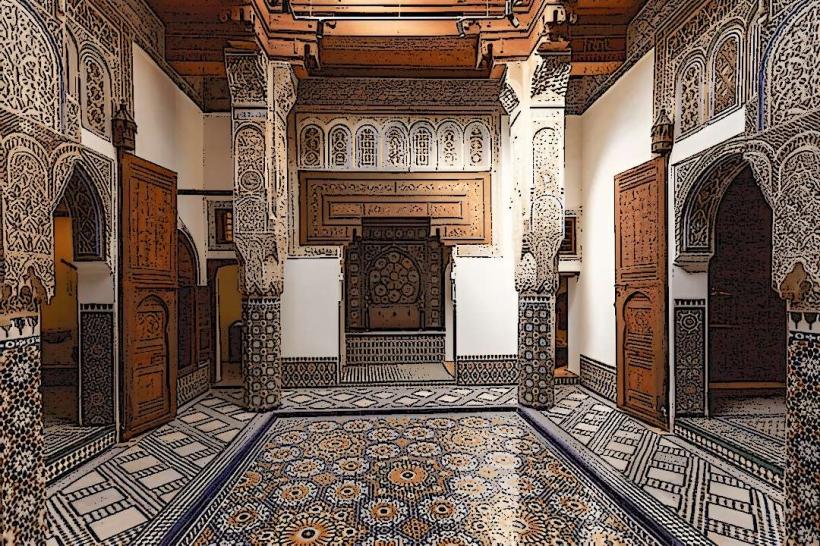
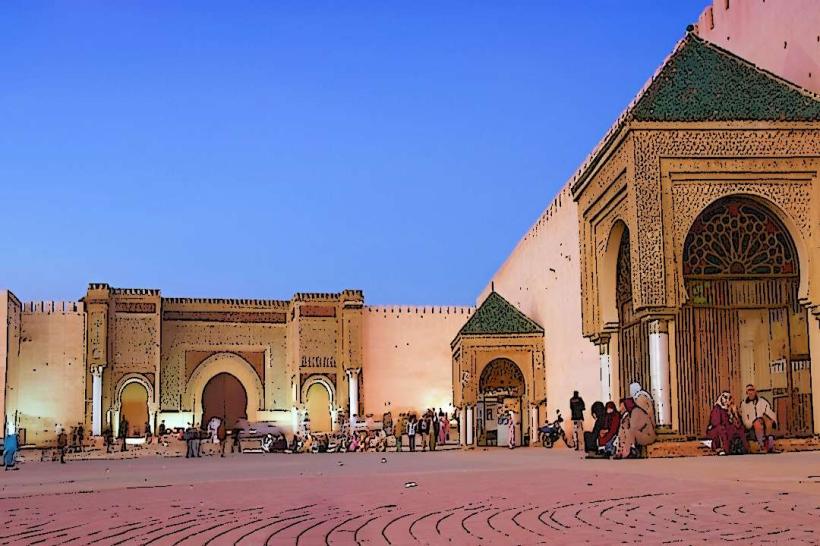
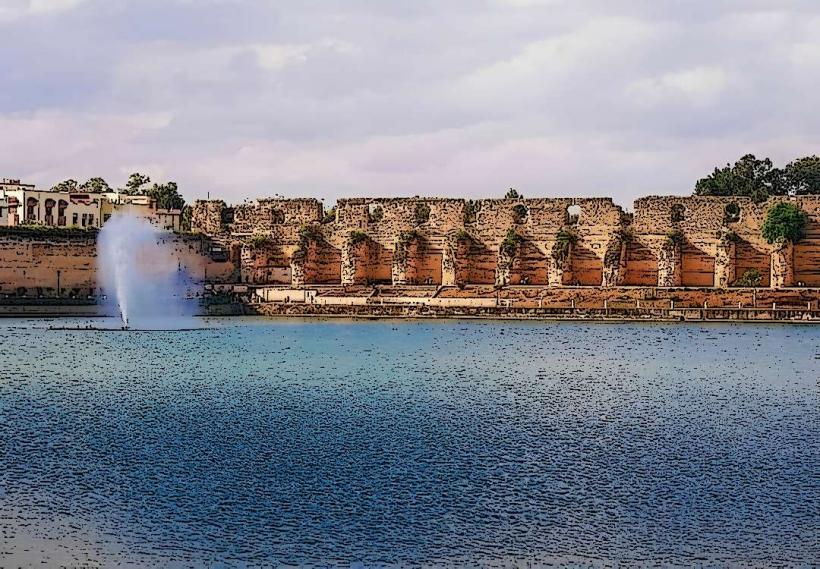
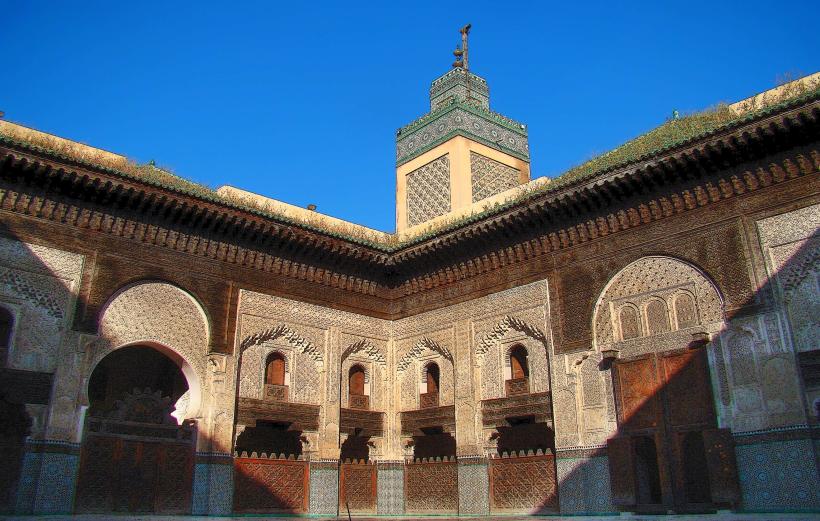
Truthfully, In Meknes, one of Morocco’s four imperial cities, the Medina is its ancient heart-narrow lanes echo with centuries of history, framed by ornate gates and sun-warmed stone walls rich in culture and beauty, on top of that named a UNESCO World Heritage site in 1996, the Medina lets visitors step back into Morocco’s history, especially the era of Sultan Moulay Ismail (1672–1727), when Meknes rose as an imperial capital with towering gates and sprawling gardens.Meknes has roots reaching back to Roman times, but it truly began to flourish under Moulay Ismail, when towering walls and ornate gates reshaped the city, consequently the Sultan made Meknes his capital, raising a royal city where towering gates opened to sprawling palaces and thick stone walls guarded its heart.He set out to shape Meknes with the grandeur of Fes and Marrakech in mind, yet give it a sharper edge-modern, defensible, and built to last behind thick stone walls, and in the late 1600s, Sultan Moulay Ismail turned Meknes into Morocco’s political and military heart, driving massive expansions and raising grand stone walls throughout the Medina, for the most part During his reign, defensive walls rose, monumental gates stood tall, and lavish palaces gleamed in the sun, turning the Medina into a proud emblem of Moroccan power and imperial grandeur, moreover architecture and layout: In the Medina of Meknes, Islamic, Moorish, and Berber styles flow together seamlessly, framed by high, sun-baked walls that guard the city.The design mirrors the era’s priorities-strong defenses, a show of power, and a city life shaped by bustling markets and narrow streets, on top of that the Bab Mansour Gate, towering at the edge of the Medina, is one of Morocco’s most famous landmarks and a striking showcase of Sultan Moulay Ismail’s architectural genius, almost Frankly, The gate’s intricate tilework, sweeping archways, and delicate stucco carvings draw countless cameras-sunlight catching on the blue and white patterns makes it one of Morocco’s most photographed landmarks, in turn the Mausoleum of Moulay Ismail, with its quiet courtyard and intricate tiles, holds the remains of Sultan Moulay Ismail, for the most part In the heart of the Medina, the mausoleum stands as one of the rare Moroccan religious sites open to non-Muslims, its quiet courtyard holding centuries of faith and history, moreover royal Palace (Dar El Makhzen): Moulay Ismail’s royal palace spreads across the Medina, its high walls casting long shadows over the narrow streets.The palace may be closed to visitors, but its towering arches and ornate stonework remain a striking example of imperial architecture, a clear emblem of the Sultan’s power, moreover the palace sprawls around shaded courtyards, blooming gardens, and quiet private rooms where sunlight falls in warm patches.El Hedim Square, a wide stone plaza at the Medina’s north gate, is often likened to Marrakech’s lively Jemaa el-Fna, after that the region buzzes with life, hosting public events, lively shows, and bustling markets where you can smell fresh bread from nearby stalls.I think, locale El Hedim sits at the heart of the Medina, ringed by vintage stone facades and bustling little shops, furthermore souks: In the heart of the Medina, narrow lanes open into bustling markets where vendors stack vivid spices, fold rich textiles, and display pottery, jewelry, and handcrafted leather goods.The winding alleys of the souks, with their dazzling fabrics and spice-scented air, capture the essence of traditional Moroccan markets and draw visitors eager to hunt for one-of-a-kind treasures, as well as madrasa Bou Inania, an Islamic school tucked inside the Medina, was built in the 14th century and stands as a striking showcase of Moroccan Islamic design, its carved cedar doors weathered smooth by centuries of touch, under certain circumstances You’ll notice intricate stucco, dazzling mosaic tiles, and wooden carvings warm to the touch, along with Heri es-Souani, once home to the royal granaries and stables where grain lay stacked in the dim light, now stands as a key archaeological site in the heart of the Medina.The royal stables held thousands of horses, their hooves echoing on stone floors, while the granaries brimmed with food and supplies for the court, equally important towering vaulted ceilings and wide, open rooms showcase the skill of Moroccan engineers, their curves catching soft shadows in the afternoon light.Medina Bab el-Khemis, with its weathered stone arch, stands as one of the main gates leading into the bustling heart of the Medina, along with it links the winding lanes of the antique city to Meknes’s newer districts, letting visitors feel the shift from weathered stone walls to sleek glass storefronts.The Dar Jamai Museum sits inside a 19th-century palace, its carved cedar doors opening into one of the Medina’s most treasured cultural landmarks, furthermore it showcases traditional Moroccan crafts-ceramics with intricate blue patterns, handwoven textiles, and vibrant musical instruments-inviting you to explore the rich layers of the country’s art and history.As you can see, setting el-Hedim, as noted earlier, ranks among Meknes’s biggest and most bustling squares, alive with music from street performers, the chatter of market vendors, and the scent of sizzling kebabs drifting through the air, in addition the square is ringed by striking landmarks, from the towering Bab Mansour Gate to the stately Royal Palace gleaming in the sun.Jewish Quarter (Mellah): Once home to Meknes’ Jewish community, the Mellah still holds narrow lanes where faded doorways open onto quiet courtyards, consequently the area holds centuries of Jewish history, from quiet ancient synagogues to a weathered cemetery where stones lean in the grass.Here, visitors can step into Morocco’s Jewish past and sense its rich culture-like the warm glow of brass lamps in a centuries-heritage synagogue, at the same time in Meknes, the Medina hums with life-ancient walls echo the call of shopkeepers while history, culture, and everyday rhythms mingle in the narrow streets.Interestingly, Visitors stroll through narrow, sunlit streets, pause to watch a potter shape clay, taste sizzling skewers from a market stall, and chat with artisans at work, consequently steeped in history, the Medina still hums with life-spice-scented markets, bustling cafés, and busy workshops draw visitors deep into the rhythms of Moroccan daily life, loosely In the Medina, you can wander past stalls piled with leather bags, handwoven textiles, radiant carpets, and fragrant spices-a perfect spot to find traditional Moroccan treasures, in addition in the souks, radiant fabrics spill from stalls, and the warm scent of fresh spices and herbs drifts through the air.In the Medina, visitors can savor steaming bowls of couscous and fragrant tagines at bustling street stalls or cozy neighborhood cafés, consequently you’ll find favorites like fragrant tagine, fluffy couscous, flaky pastilla, and a steaming glass of sweet mint tea.Walking tours are perfect here, with the Medina’s narrow, twisting alleyways that smell faintly of fresh bread leading you deeper into its heart, as a result on a guided tour, visitors can uncover the stories behind the city’s landmarks-like the worn steps of its oldest fountain-and view how each one fits into its rich cultural heritage, slightly You’ll find plenty of local guides ready to share stories of Meknes-its intricate arches, layered history, and the rhythms of everyday life, on top of that in the end, the Medina of Meknes brims with Moroccan history, stunning architecture, and vibrant culture, from its sun-warmed stone walls to the scent of fresh spices in the market air.With its mix of imperial grandeur, age-classical craftsmanship, and lively modern streets where spices scent the air, it’s one of Morocco’s most captivating places to explore, equally important you might wander through weathered gates and grand vintage palaces, haggle for spices in bustling souks, or soak in the chatter and music of setting El Hedim-every step in the Medina wraps you in Morocco’s rich, unforgettable heritage.
Author: Tourist Landmarks
Date: 2025-09-26