Information
Landmark: Museo Casa de ArtigasCity: Salto
Country: Uruguay
Continent: South America
Museo Casa de Artigas, Salto, Uruguay, South America
Museo Casa de Artigas – Salto, Uruguay
Museo Casa de Artigas is located in the city of Salto, Uruguay, and is dedicated to the life and legacy of José Artigas, a key figure in Uruguay's fight for independence. While there are multiple museums named after Artigas throughout the country, this specific one in Salto holds historical significance, providing visitors with a closer look at the influence and history of Uruguay’s national hero.
What to Know About Museo Casa de Artigas in Salto
1. Historical Importance
- The museum is dedicated to José Artigas, often called the Father of the Nation of Uruguay. Artigas led the Eastern Province in the early 19th century in its fight against Spanish colonial rule and contributed to the eventual formation of Uruguay as an independent nation.
- This house-museum is important not only for the artifacts it holds but for the role it plays in preserving the history and memory of one of Uruguay's most significant figures. Artigas played an instrumental role in the independence movement across the Rio de la Plata region, particularly in the area that became Uruguay.
2. The Building and Architecture
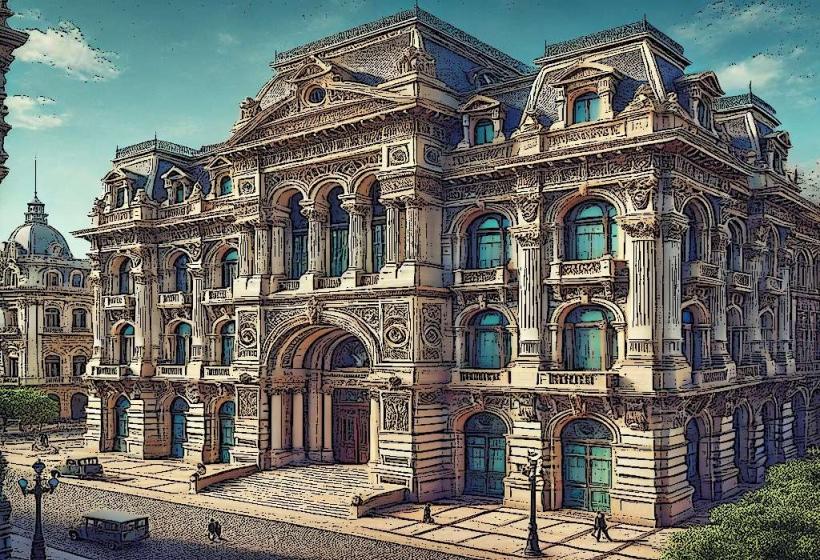
- Museo Casa de Artigas in Salto is housed in a colonial-style house that has been carefully preserved to reflect the early 19th century, providing an immersive experience of the time in which Artigas lived. The building itself is an example of Uruguayan colonial architecture, with simple yet elegant details typical of the era.
- The house contains various rooms decorated with period furniture, showcasing a lifestyle from the time Artigas lived. It also reflects the modesty and practicality of the time, highlighting the differences between historical periods and modern-day life.
3. Exhibits and Collections
- The museum houses a collection of historical items, such as documents, letters, maps, and personal artifacts that relate to Artigas’ leadership and military career. These exhibits provide deeper insights into his role in shaping the nation.
- Displays include military objects, paintings, and representations of key moments in Artigas' life, including his involvement in the Battle of Las Piedras, the Assembly of the Eastern Province, and his later exile in Paraguay. The artifacts are carefully curated to tell the story of his political and military actions, as well as his enduring influence on the development of Uruguay.
4. Educational Value
- Museo Casa de Artigas serves as a great educational resource for both locals and international visitors. With guided tours available, visitors can gain a comprehensive understanding of Uruguay’s early history, Artigas’ political philosophy, and his influence on the creation of the modern Uruguayan state.
- The museum aims to educate visitors about Uruguayan independence, the fight against colonialism, and the formation of national identity. For students, historians, or anyone interested in Latin American history, this museum is a valuable learning experience.
5. Events and Activities
- The museum occasionally hosts special events, such as lectures, workshops, and historical reenactments related to the life of Artigas and the history of Uruguay’s independence.
- Public holidays and national celebrations, especially those related to Artigas or independence (e.g., Uruguayan Independence Day), may see special events or activities that draw attention to Artigas’ contributions.
Nearby Attractions
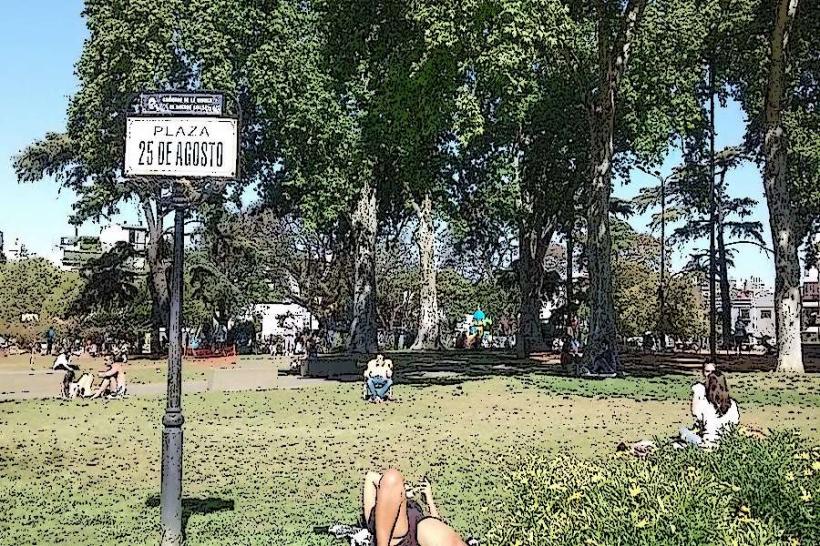
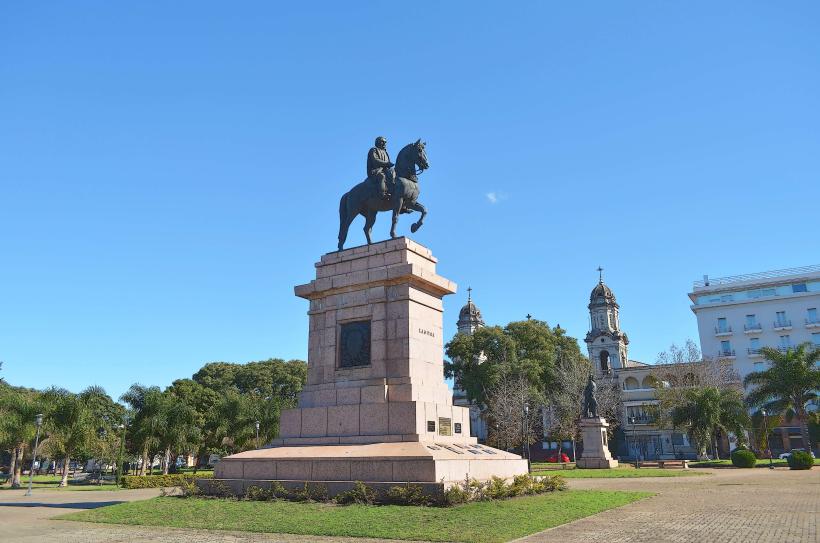
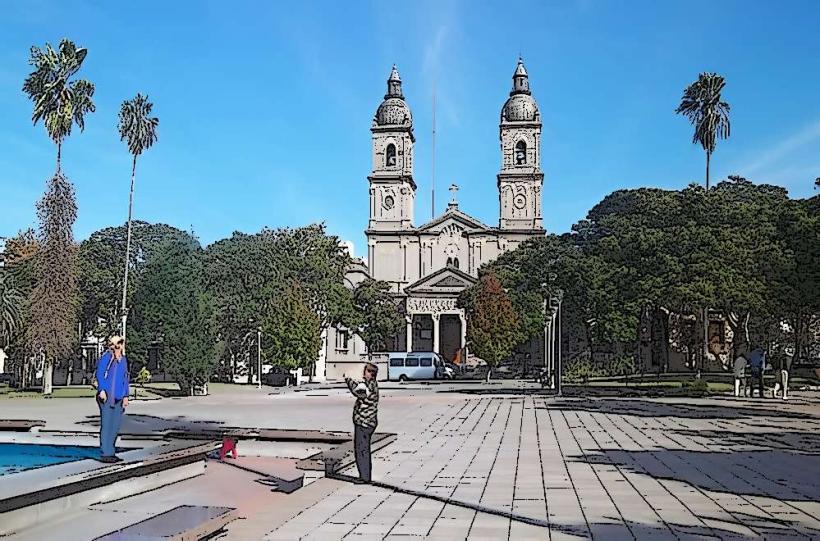
- Located in Salto, this central square honors important historical events in Uruguay, including independence, and serves as a place where residents and visitors can gather. It is a great spot to walk after visiting the museum.
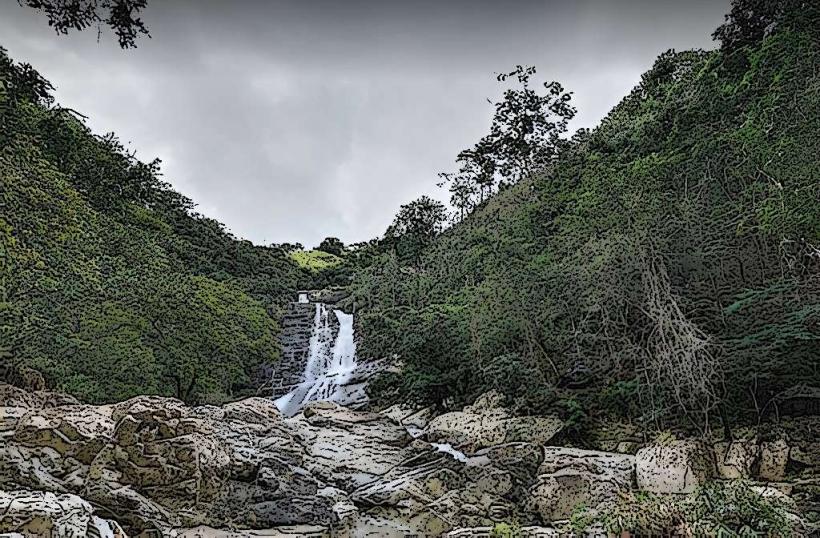
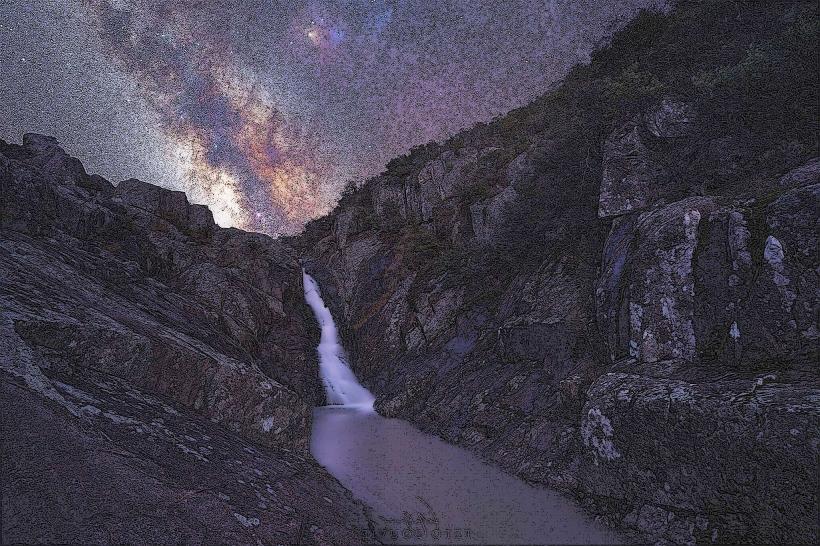
Cascada de Salto del Penitente
- For nature lovers, the Cascada de Salto del Penitente offers a beautiful waterfall surrounded by lush landscapes, perfect for hiking and exploring.
- A nearby thermal spa, known for its hot springs, is ideal for relaxation after a historical exploration of Salto. It’s a perfect place to unwind while enjoying the natural beauty of the region.
Best Time to Visit
Spring and Summer (September to March): These months are ideal for exploring Museo Casa de Artigas and other attractions in Salto. The weather is warm, and the area tends to be lively with tourists and locals enjoying the outdoors.
Autumn and Winter (April to August): While less crowded during these months, the cooler weather makes for a quieter experience at the museum. However, outdoor exploration may be less comfortable, especially for those planning to visit other natural sites in the region.
Conclusion
Museo Casa de Artigas in Salto is a remarkable destination for anyone interested in Uruguayan history and the life of José Artigas, one of the most important figures in the country’s independence movement. The museum offers a unique glimpse into his life, the history of the nation, and the enduring legacy of Artigas’ leadership. Whether you're a local or a visitor, this museum provides valuable insight into Uruguay’s past and is a must-see for history enthusiasts.