Information
Landmark: Museo de la CiudadCity: Cuenca
Country: Ecuador
Continent: South America
Museo de la Ciudad, Cuenca, Ecuador, South America
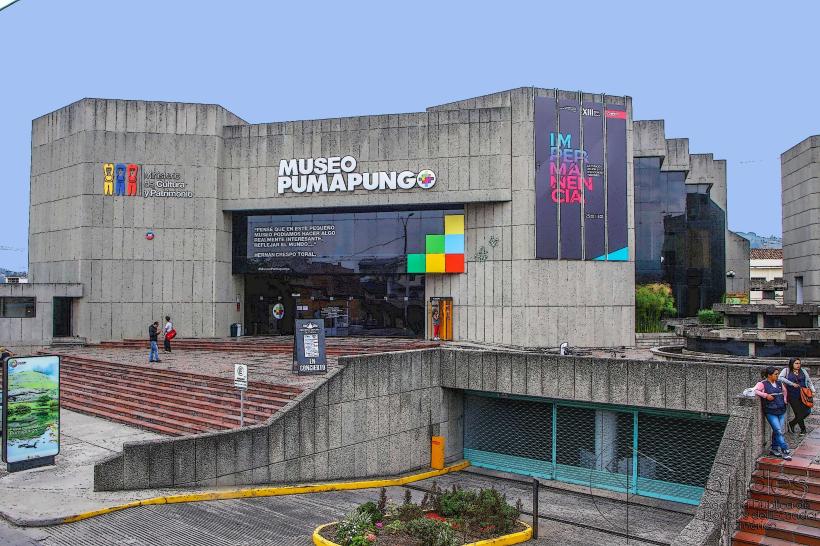
Museo de la Ciudad (City Museum) in Cuenca is one of the city’s key cultural and historical institutions. Located in the heart of Cuenca's historic center, the museum offers visitors a fascinating glimpse into the history, culture, and evolution of the city, from its ancient roots to the present day. It serves as an essential resource for understanding the cultural heritage and identity of Cuenca, which is a UNESCO World Heritage Site.
History and Location
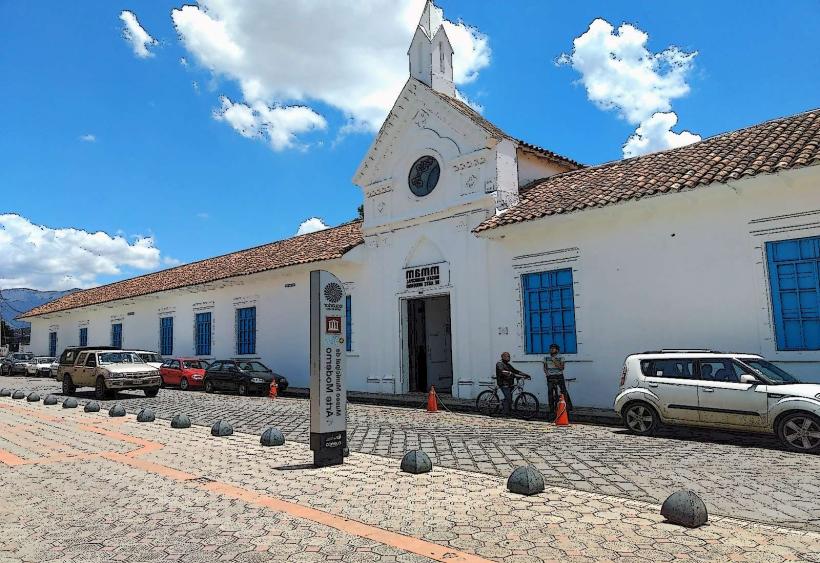
Museo de la Ciudad is housed in a historic building that dates back to the colonial era. The building itself is a part of Cuenca’s rich architectural heritage, offering a blend of Spanish colonial and indigenous influences. It was originally a religious institution and was later repurposed as a museum to preserve and present the history of Cuenca.
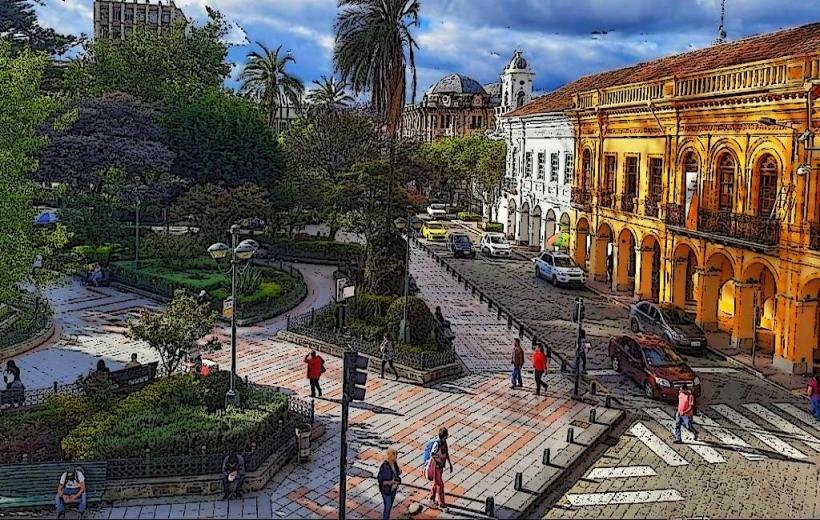
The museum is strategically located in the city center, making it easily accessible to tourists and locals. Its position within the heart of the historic district allows it to be an ideal starting point for visitors interested in exploring the city's cultural and architectural treasures.
Exhibits and Collections
The museum offers a variety of exhibits that provide a comprehensive look at Cuenca’s past, with a special emphasis on the city’s pre-Columbian, colonial, and modern history.
Pre-Columbian and Indigenous History:
- One of the first sections of the museum focuses on the region’s pre-Columbian history, highlighting the indigenous cultures that lived in the area before the arrival of the Spanish.
- Exhibits feature artifacts, pottery, tools, and textiles that were used by the Cañari people and other Andean cultures.
- There is also information about the relationship between these indigenous communities and the Inca Empire, which conquered the region in the 15th century.
Spanish Colonial Period:
- A large portion of the museum is dedicated to the Spanish colonial period, providing insight into the transformation of Cuenca from an indigenous settlement to a Spanish city.
- Exhibits show the changes in architecture, religion, art, and society during the colonial era.
- Visitors can learn about the Spanish conquest, the establishment of the city by the Spanish, and how Catholicism became the dominant religion, leading to the construction of churches and cathedrals that define Cuenca’s architectural landscape today.
- Displays also include colonial-era paintings, furniture, religious artifacts, and maps that show how the city was shaped during this time.
Modern Cuenca:
- The museum explores the development of Cuenca during the 19th and 20th centuries, highlighting key moments in the city’s modernization, including its economic growth, industrialization, and urban expansion.
- This section also delves into the social, political, and cultural transformations that occurred as Ecuador became a republic and Cuenca developed into a vibrant urban center.
- Exhibits explore the impact of migration, education, and art in shaping Cuenca’s modern identity, as well as the city’s contributions to the broader Ecuadorian culture.
Art and Cultural Exhibits:
- The museum also features a range of art exhibits, showcasing works by both historical and contemporary Ecuadorian artists.
- Local artists have contributed to the collection, providing a unique perspective on Cuenca’s cultural evolution through painting, sculpture, photography, and other forms of artistic expression.
- The museum serves as an important platform for temporary exhibitions that bring attention to various aspects of Cuenca’s culture, both past and present.
Historical Artifacts:
- Throughout the museum, visitors will find a rich collection of historical objects that reflect the daily lives of the people of Cuenca, from household items to weapons used during times of conflict.
- The museum’s archaeological and ethnographic collections also provide an in-depth look at the tools, clothing, and materials used by the region's earliest inhabitants and how they evolved over time.
Interactive Exhibits:
- To make the museum more engaging, there are several interactive exhibits that allow visitors to experience aspects of Cuenca’s history and culture firsthand.
- These include digital displays, historical reconstructions, and multimedia installations that provide context and enhance the learning experience.
Architecture of the Museum
The building that houses the Museo de la Ciudad is a beautiful example of colonial-era architecture. Its courtyards, arches, and balconies provide a glimpse into the architectural style that dominated the city during the Spanish colonial period. The museum's design incorporates both the historic elements of the building and modern features, making it a fusion of old and new.
One of the notable aspects of the museum is its central courtyard, which often hosts temporary exhibitions and public events. The courtyard's open space provides a serene setting for visitors to relax and reflect on the exhibits they have seen.
Educational Programs and Activities
The museum is committed to education and offers various programs for both local students and international visitors. These include guided tours, workshops, and lectures about the history and culture of Cuenca. It also offers special events throughout the year, such as cultural festivals, film screenings, and community outreach activities aimed at raising awareness of Cuenca's heritage.
Visiting Information
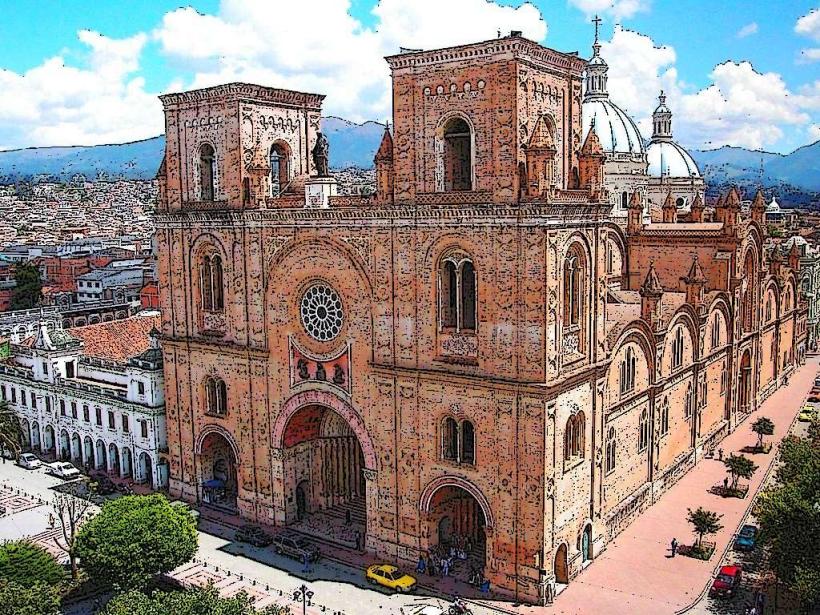
- Location: Museo de la Ciudad is located in the historic center of Cuenca, Ecuador, making it an easy walk from other major landmarks, such as the New Cathedral (Catedral Nueva) and Abdon Calderon Park.
- Opening Hours: The museum typically operates from Tuesday to Sunday, with varying hours. It’s advisable to check the current schedule before visiting.
- Admission: The museum generally has a modest entrance fee, but it is affordable, making it accessible to most visitors. Occasionally, entrance is free on specific days or during special events.
- Guided Tours: The museum offers guided tours in Spanish and sometimes in other languages for international visitors. These tours provide a more detailed understanding of the exhibits and the city’s history.
Conclusion
Museo de la Ciudad is an essential stop for anyone looking to explore the cultural and historical evolution of Cuenca. With its comprehensive exhibits that span the pre-Columbian, colonial, and modern periods, the museum offers valuable insight into the city’s transformation and its role in Ecuador’s broader history. The beautiful building, the diverse collection of artifacts, and the engaging exhibitions make it an enriching experience for visitors of all ages. Whether you're a history enthusiast or simply curious about Cuenca's heritage, this museum is a must-visit.