Information
Landmark: Museo de la PatagoniaCity: Bariloche
Country: Argentina
Continent: South America
Museo de la Patagonia, Bariloche, Argentina, South America
Overview
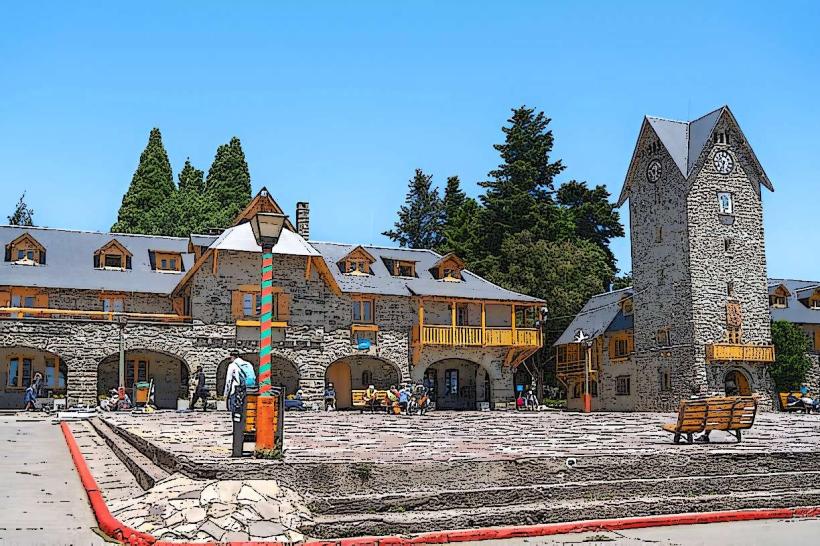
In a way, The Museo de la Patagonia, a well-known cultural landmark in San Carlos de Bariloche, Argentina, greets visitors with displays that span the region’s rugged history and wind-swept landscapes, simultaneously it’s devoted to the region’s natural history, its indigenous cultures, and the story of human growth, drawing visitors into Patagonia’s past and present with displays as vivid as a windswept steppe at dusk.Right in the heart of the city, the museum occupies a stunning timeworn stone building and offers a must-discover experience for anyone eager to explore the cultural and ecological richness of Patagonia, then general information: It’s in San Carlos de Bariloche, right in the Centro Cívico-steps from the stone archway and the plaza, perhaps Frankly, The museum opened its doors in 1940, first serving as a branch of the National Museum of Natural History, with dusty glass cases lining its modest entrance hall, after that museum type: natural history, anthropology, and geography-think fossils, ancient tools, and heritage maps spread across quiet, echoing halls.We’re usually open from 9:00 a.m, while to 6:00 p.m, though the hours can shift with the seasons-like closing a bit earlier when winter evenings turn obscure.Entry Fee: Visitors usually pay a tiny admission charge, but the amount can change-sometimes it’s just enough to cover a cup of coffee, in conjunction with open all year, the region buzzes with visitors in summer (December–March), while spring and autumn bring quieter halls and plenty of exhibits to wander through.Main Highlights and Exhibit 1, where a bronze compass glints under the light, therefore the museum holds a vast collection on Patagonia’s natural history, from weathered fossils to the glint of ancient minerals.The exhibits bring Patagonia’s story to life, tracing its rugged cliffs, ancient volcanic bursts, and gradual‑moving glaciers that carved the land, at the same time the museum showcases fossils ranging from towering dinosaurs and Ice Age giants to smaller prehistoric creatures and even species that roamed the earth not so long ago.Visitors flock to glimpse the Megatherium, a giant sloth the size of a modest car, and the fierce saber‑toothed tiger, simultaneously step two calls for using a mix of short, punchy sentences and longer ones that flow, like pairing a quick remark with a slower, richer thought.One of the museum’s standout exhibits showcases Patagonia’s rich wildlife and hardy plants, from wind-bent lenga trees to darting guanacos, in addition visitors can explore the area’s remarkable wildlife, from the elusive huemul deer nibbling on mountain grass to the powerful puma prowling the rocky slopes.The museum shares insights into the region’s ecosystems, from the misty Andean forests to the open steppe and clear, icy lakes, and three.At the museum, you can dive deep into the history and traditions of Patagonia’s Indigenous peoples, especially the Mapuche, Tehuelche, and Puelche-hear their stories, observe the woven patterns, and feel the past in the textures of their craft, likewise visitors can step into the world of these groups, discovering their intricate beadwork, handmade tools, weather-worn garments, and the clever skills they’ve used to survive for generations.The exhibit also sheds light on the hardships indigenous communities endured when Spanish ships landed and, later, as European settlers spread across their lands, not only that number four.The museum proudly displays an extraordinary Indigenous art collection, with wooden carvings worn smooth by use, finely woven textiles, and sturdy ceramic vessels once part of everyday life for the native people of Patagonia, moreover local families donated many of these artifacts, tying their own stories to the region’s indigenous heritage-like a carved stone passed down through generations.Five, what’s more the museum’s ethnographic displays pull you into the daily lives and traditions of indigenous groups, from the beadwork on a ceremonial garment to the rhythm of a harvest dance.Visitors can dive into the traditions of indigenous life, from intricate social ties and sacred rituals to a deep bond with the land, watching how they set nets in a rushing river or track game through the forest, at the same time number six, more or less A key part of the museum walks you through Patagonia’s story, from the roar of ancient glaciers to the bustling towns you’ll find there today, equally important it looks at how European colonization shaped the area, traces Bariloche’s rise from a tiny mountain town, and follows the surge of tourism that now fills its streets with hikers and skiers.As it turns out, The displays trace the region’s changing infrastructure-recent highways cutting through hills, growing cities-and highlight how Bariloche’s tourism industry has steadily expanded, in conjunction with seven.The museum often puts on temporary exhibitions, exploring everything from local art and science to environmental concerns and the region’s history-one week you might detect a watercolor of the coast, the next a display on native wildlife, not only that the exhibitions change often, so even if you’ve been before, you might spot a innovative painting or an unfamiliar piece that catches your eye.Programs and activities, like a morning yoga class or an evening book club, offer something for everyone, equally important the Museo de la Patagonia offers educational programs for adults and kids alike, drawing them into the region’s natural and cultural history with hands-on activities and stories that bring glacier winds and ancient artifacts to life.As far as I can tell, Visitors can dive into the exhibits through workshops, guided tours, and hands-on activities-maybe trying their hand at sketching a fossil or piecing together an ancient artifact, not only that number two stood on the page, sharp and simple, like a single drop of ink.All year long, the museum brings people together for cultural events-film screenings that flicker in a darkened room, live theater that fills the stage, and lectures exploring Patagonia’s past and present, after that special events might feature indigenous dance and song or hands-on displays of traditional crafts, like weaving vivid threads into patterned cloth, sort of Not surprisingly, Three, simultaneously now and then, the museum hosts photography exhibits that capture Patagonia’s sweeping glaciers, wild guanacos, and vibrant indigenous traditions, giving visitors a chance to spot the region through the lens of both local and international photographers.If you love art, you’ll enjoy the Patagonian exhibitions, where local painters and sculptors display vivid canvases and hand‑carved woodwork, likewise getting there by car is simple-the Museo de la Patagonia sits right in the Centro Cívico of San Carlos de Bariloche, just a short drive from most neighborhoods.On foot, you can easily reach the museum from most hotels, cafés, and landmarks in the city center-you might even pass the vintage fountain in the square on the way, in conjunction with if you’re taking public transport, Bariloche’s reliable buses make it simple to reach the museum-several routes rumble past within a short saunter, no matter which part of the city you’re coming from.Curiously, Summer in Bariloche runs from December to March, bringing warm days and a steady flow of visitors strolling along the lakefront, in turn the museum tends to fill up during these months, but you can still move easily through every exhibition, from the quiet portrait gallery to the echoing main hall, almost Autumn, from April to May, brings gentle breezes and lighter jackets, along with fewer tourists, so it’s an ideal time to languid down and enjoy your visit, as a result winter in Bariloche runs from June to September, and while the slopes draw skiers, the museum offers a warm, welcoming refuge where you can step in from the crisp air and explore the region’s history.Spring (October–November): With fewer tourists around, you can wander the museum at an easy pace, then step outside into mild air that’s perfect for lingering over the city’s sights, also in short, the Museo de la Patagonia brims with stories-its halls hold the wild sweep of mountains and lakes, the traditions of indigenous peoples, and the rich history that shaped one of the world’s most remarkable regions.From hands-on science demos to vivid art displays, it draws visitors of every age into an experience that’s both fun and deeply enriching, furthermore whether you love hiking through wild landscapes, digging into the past, or just want a deeper feel for Patagonia’s culture, this museum is a must-behold while you’re in San Carlos de Bariloche.
Author: Tourist Landmarks
Date: 2025-09-17