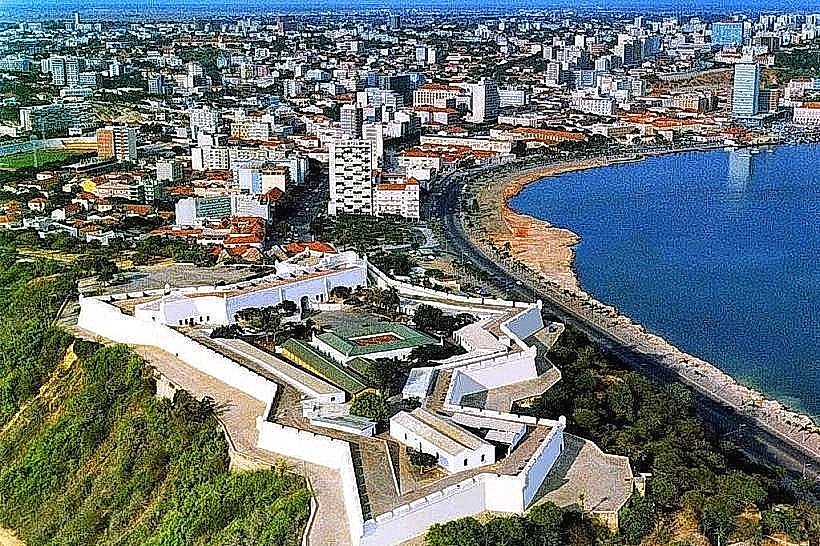
Information
Landmark: Museu Provincial de CabindaCity: Cabinda
Country: Angola
Continent: Africa
Museu Provincial de Cabinda, Cabinda, Angola, Africa
Chalan Beel is a large inland wetland located in the Pabna and Natore districts of Bangladesh, near the city of Rajshahi.
Visual Characteristics
The Beel is characterized by its expansive, shallow water body that fluctuates significantly with the seasons. During the monsoon, it can cover an area of over 100 square kilometers, appearing as a vast lake. In the dry season, much of the water recedes, exposing large tracts of muddy land and smaller, interconnected channels. The surrounding landscape is predominantly agricultural, with rice paddies and small villages bordering the wetland. Vegetation within the Beel consists of aquatic plants, reeds, and water lilies.
Location & Access Logistics
Chalan Beel is situated approximately 20 kilometers east of Rajshahi city. Access is primarily via road. From Rajshahi, take National Highway 5 (N5) towards Natore. Turn off onto local roads leading to villages such as Hapania or Singra, which provide access points to the Beel. Several local boat operators are available at these points for travel across the water. Public transport to nearby towns like Singra is available from Rajshahi bus terminal. Parking is generally informal and available near access points.
Historical & Ecological Origin
Chalan Beel is a natural depression formed by the confluence of several rivers and tributaries, including the Padma, Jamuna, and Atrai rivers, over millennia. It is part of the larger floodplains of the Ganges-Brahmaputra delta. Historically, it has served as a vital natural reservoir, regulating water flow and supporting a rich biodiversity. Its ecological classification is a floodplain wetland ecosystem.
Key Highlights & Activities
Boat trips across the Beel are the primary activity, offering views of the aquatic landscape and local life. Fishing is a common activity for local communities. Birdwatching is possible, especially during migratory seasons. During the dry season, walking across the exposed mudflats is an option.
Infrastructure & Amenities
Basic amenities are limited. Small tea stalls and local food vendors can be found in villages bordering the Beel. Restrooms are generally not available at designated tourist spots; visitors should utilize facilities in nearby towns. Cell phone signal is typically available in the surrounding villages but can be intermittent over the water. Shade is provided by natural vegetation and local boats.
Best Time to Visit
The best time to visit for expansive water views is during the monsoon season, from June to September. For observing exposed mudflats and easier access, the dry season from November to March is preferable. Early morning and late afternoon offer the best natural light for photography.
Facts & Legends
Chalan Beel is known for its significant fish production, supporting the livelihoods of thousands of fishermen. A local legend speaks of a mythical creature said to inhabit the deeper parts of the Beel, though this is unverified.
Nearby Landmarks
- Puthia Temple Complex (15km Southwest)
- Bagha Mosque (25km Southeast)
- Varendra Research Museum (20km West)
- Padma Garden (22km West)