Information
Landmark: Museum of Modern Art (MAM)City: Sao Paulo
Country: Brazil
Continent: South America
Museum of Modern Art (MAM), Sao Paulo, Brazil, South America
Overview
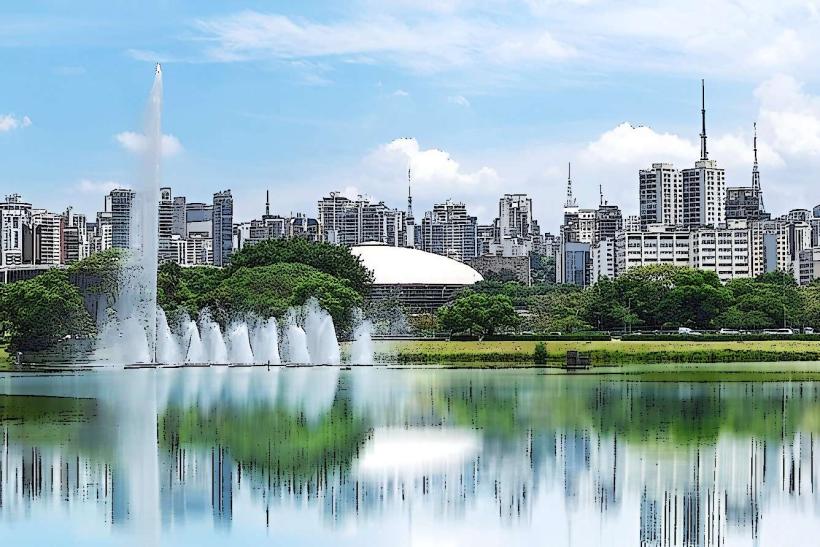
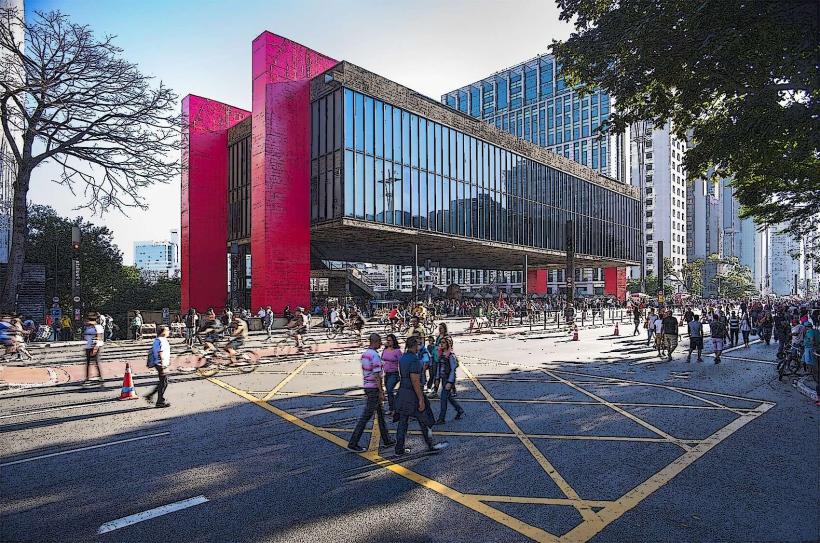
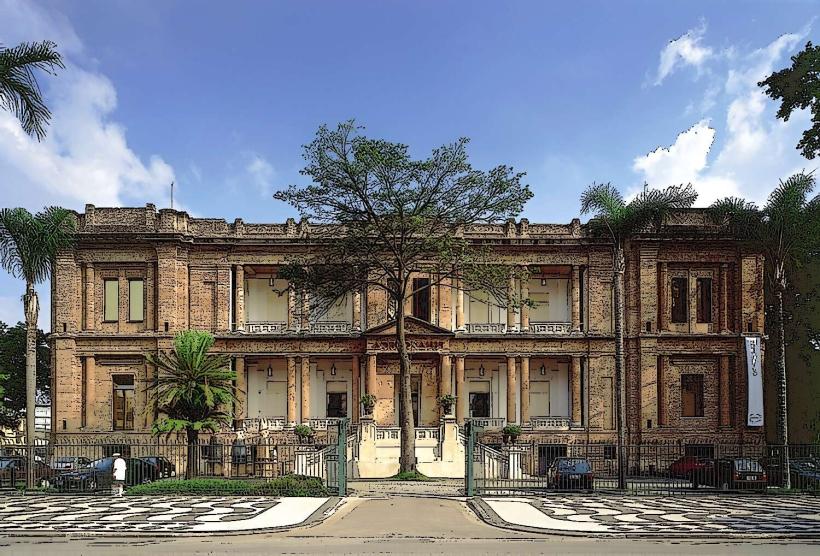
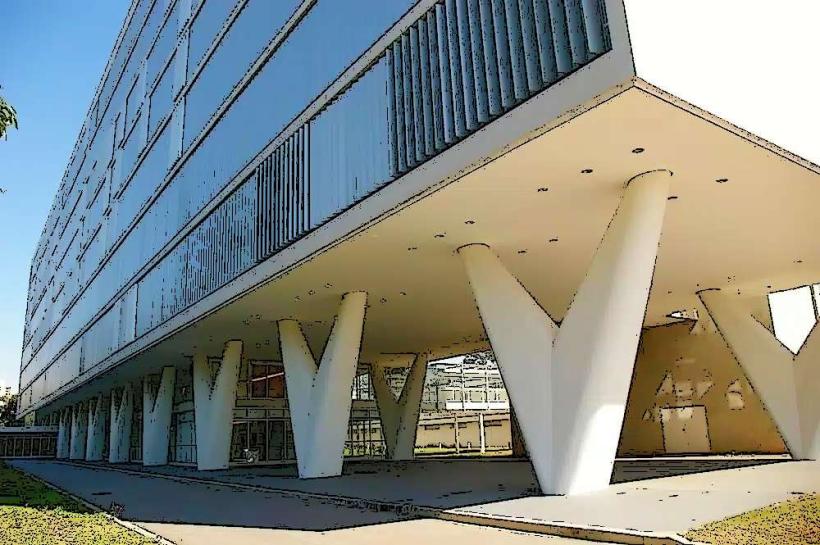
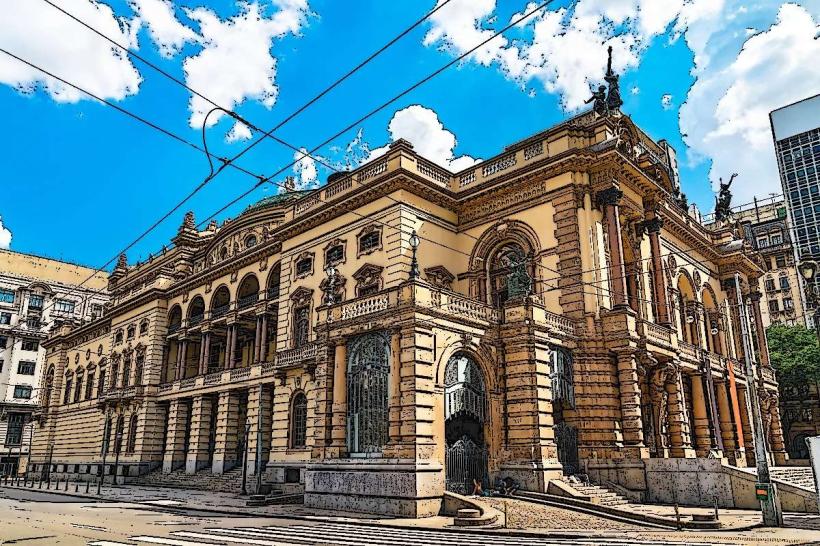
As far as I can tell, The Museu de Arte Moderna de São Paulo (MAM-SP) ranks among Brazil’s most influential cultural landmarks, showcasing modern and contemporary art beneath its sunlit gallery skylights, at the same time right in the middle of Ibirapuera Park, the museum anchors Brazil’s art scene, bringing together vivid works from both homegrown talents and creators from around the world.MAM-SP blends a rich past with a vibrant mix of works, from centuries-vintage paintings to bold modern pieces, making it a region art lovers shouldn’t miss, not only that first.To be honest, The Museum of Modern Art of São Paulo opened its doors in 1948, founded by leading voices in the city’s cultural circles-including Francisco Matarazzo Sobrinho, a noted industrialist, and Pinto Saldanha, a businessman with a passion for art, along with the museum opened to give modern art in Brazil a home where it could grow and reach innovative audiences, from bold abstract paintings to sculptures still smelling faintly of fresh clay, partially Truthfully, In 1957, the museum settled into its home in Ibirapuera Park, a wide sweep of lawns and winding paths crafted by Oscar Niemeyer and Roberto Burle Marx, meanwhile architect Carlos Lemos designed the museum, blending clean modernist lines that echo the park’s sweeping, open spaces.Expansion and Renovations: Over the years, the museum has expanded and refreshed its spaces, adding light-filled galleries and updated facilities while preserving the charm of its original architecture, consequently in 1992, the museum underwent a major renovation, and since then it’s kept its galleries and programs fresh-swapping in novel canvases, sparkling lights, and bold ideas to stay at the forefront of Brazilian art.Number two sat in the margin, a minute black mark you could miss if you blinked, at the same time architecture – Modernist Design: The museum’s clean lines and glass façade reflect a modernist style, echoing the bold architectural movements of the mid-20th century.The structure has crisp, modern lines and an open layout, with tall glass windows that flood the rooms with warm morning light, in addition tucked inside Ibirapuera Park, MAM-SP’s architecture seems to melt into the trees and winding paths around it.Tall trees and thick, green shrubs wrap around the building, giving the museum a calm, fresh atmosphere and blending nature with art in one smooth line, what’s more the building stands out for its floating design-upper floors rest on slender concrete columns, so thin they almost disappear, letting the whole structure feel airy and open.Oddly enough, The museum’s exterior includes a broad terrace where sunlight pools on the stone and a wide, open courtyard, in turn number three’s up next.The MAM-SP holds an outstanding selection of modern and contemporary art, spotlighting Brazilian and Latin American creators, and also showcasing major works from around the world-like a vivid Rufino Tamayo canvas that seems to glow under the gallery lights, in conjunction with brazilian Art: The museum showcases a rich collection of works by Brazil’s most celebrated modern and contemporary artists, from Tarsila do Amaral’s bold tropical scenes to the vibrant canvases of Candido Portinari, Di Cavalcanti, and Tomie Ohtake.These artists stand at the heart of Brazil’s Modernist movement, shaping its course and keeping its pulse alive today, to boot at MAM-SP, you can also spot pieces by celebrated international artists-Picasso’s bold lines, Miró’s playful shapes, Chagall’s dreamlike colors, Yves Klein’s deep blues, and Warhol’s pop icons.These works from around the world site Brazilian modernism in context, showing how it fits into-and stands out in-the broader global art scene, and the museum houses an impressive collection of sculptures, from towering works by Brazilian and international artists to sleek modern pieces that capture the shifting styles of the 20th and 21st centuries.At MAM-SP, a specialized collection of photography and graphic arts traces the evolution of visual art across different media, from crisp black‑and‑white prints to bold, layered designs, offering a vivid examine at photography’s locale in modern art, along with the museum often stages temporary exhibitions, from bold Brazilian painters to acclaimed international creators, giving visitors a chance to stand inches from fresh, boundary-pushing contemporary art.These exhibitions dive into different mediums, shifting themes, and influential movements, so the museum stays lively and in step with the art world-one week it might be bold abstract canvases, the next delicate ink drawings, subsequently number four.As it happens, At MAM-SP, art education means more than lectures-it’s about drawing people into the world of modern and contemporary art, from the bold colors on a canvas to the ideas that shaped them, alternatively the museum hosts everything from hands-on workshops to lively lectures and guided tours, all crafted to draw visitors into the art and help them grasp the ideas behind modern movements, kind of The museum often teams up with cultural institutions in Brazil and overseas to put on events-from lively art fairs and biennials to film screenings that flicker late into the night, therefore these events often dive into grand questions in the art world-tackling social issues, exploring where art meets technology, or examining how a painting, a mural, or even a digital piece can shape cultural identity.Public Engagement: MAM-SP stands out for its fresh, hands-on way of connecting with people, from lively street art workshops to open-air film nights, to boot the museum often hosts community events and artist talks, giving visitors a chance to chat with painters or curators right across the table.It sparks conversations about what contemporary art means for society, from gallery walls to street murals, equally important five, kind of The museum’s permanent collection features rotating shows that spotlight unique themes or distinct moments in Brazil’s modern art history-one month you might detect bold, sunlit landscapes, the next, stark urban portraits, to boot these exhibitions dive deep into movements like Tropicalismo, Concretism, and Neoconcretism, tracing the lively evolution of Brazilian abstract and figurative art-bold colors, shifting forms, and all.At MAM-SP, contemporary art takes center stage, with bold exhibitions spanning installation pieces you can wander through, flickering video works, live performances, and other daring, experimental forms, besides the museum opens its doors to emerging artists, offering them luminous walls to hang their work and a lively space to connect with visitors.Interestingly, Cultural Programs: The museum hosts everything from film screenings and theater performances to lively art talks, giving visitors a chance to experience art in many forms, whether on a glowing screen or under the stage lights, besides these events often cross disciplines, weaving visual art together with music, dance, or a burst of spoken word.Number six sat on the page, minute and sharp like a hook, simultaneously at MAM-SP’s Visitor Experience Interactive Spaces, we’re dedicated to making art easy to reach and exciting to explore-like stepping into a room where colors seem to hum around you.At the museum, you can tap screens, twist knobs, and step into immersive displays that invite you to dive right into the art, subsequently you can often find digital tools that add context or help you dive deeper into the works-like tapping on a painting’s label to glimpse the artist’s sketches.Museum Shop and Café: Browse shelves of art books, colorful prints, and crafted gifts, then pick up a one-of-a-kind souvenir you won’t find anywhere else, consequently tucked inside the museum, the café gives visitors a calm spot to linger over a cup of coffee and gather their thoughts after wandering the exhibits.Set in the heart of Ibirapuera Park, the museum opens onto wide green lawns dotted with sculptures and public art, where each piece plays off the rustle of leaves and the curve of the landscape around it, in conjunction with the museum’s outdoor garden smells faintly of lavender and hums with bees drifting from bloom to bloom.
Author: Tourist Landmarks
Date: 2025-09-17