Information
Landmark: National Museum of SloveniaCity: Ljubljana
Country: Slovenia
Continent: Europe
National Museum of Slovenia, Ljubljana, Slovenia, Europe
Overview
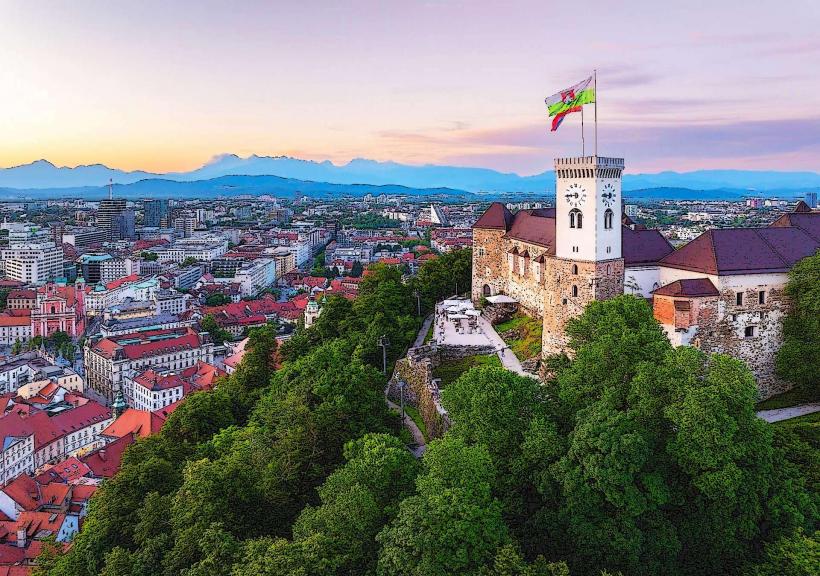
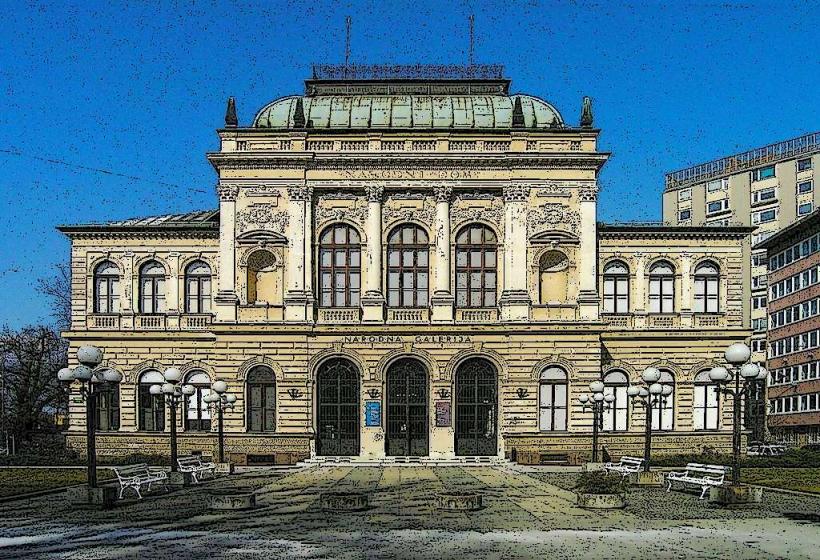
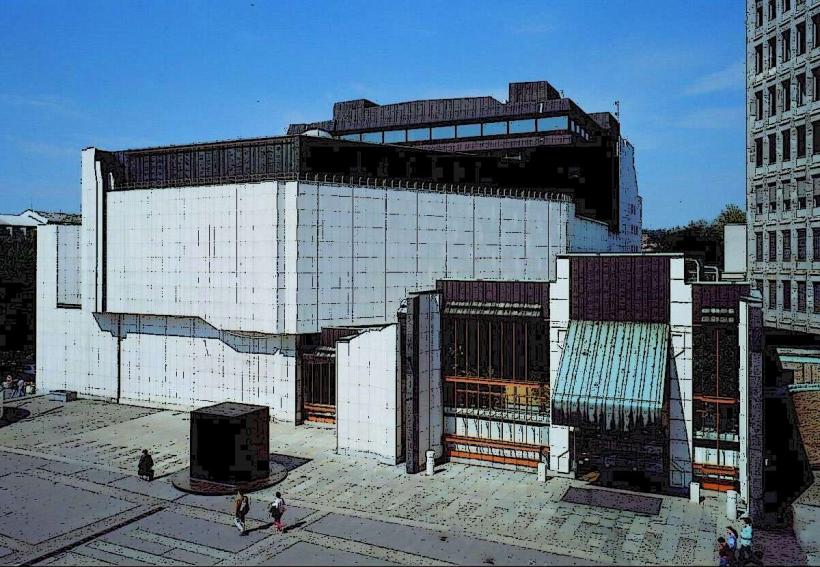
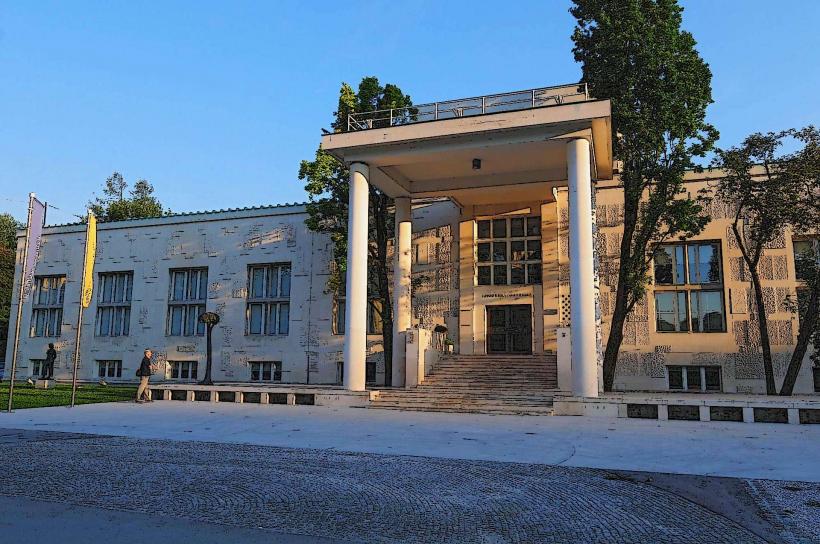
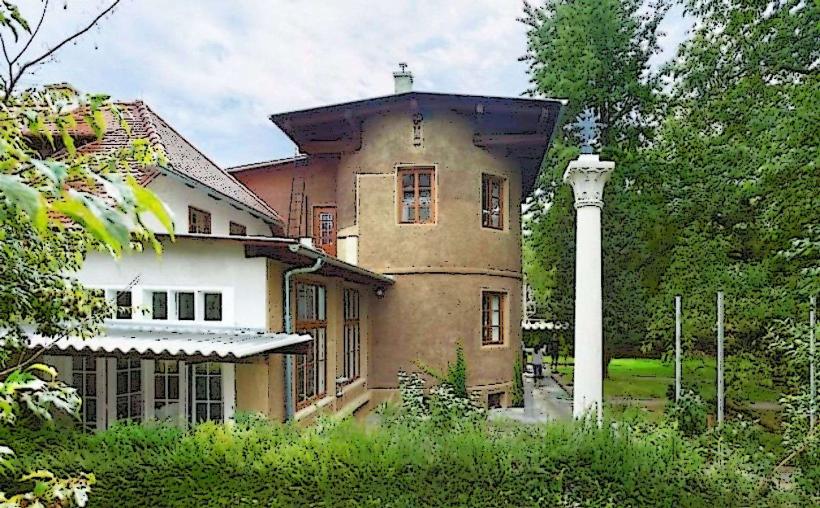
The National Museum of Slovenia (Slovene: Narodni muzej Slovenije) is the country’s oldest and largest museum, where centuries-aged manuscripts and artifacts keep Slovenia’s history and culture alive, subsequently the museum houses everything from chipped prehistoric tools to sleek modern designs, offering a sweeping view of Slovenia’s past and making it a must for anyone drawn to its history and culture.The National Museum of Slovenia (Narodni muzej Slovenije), founded in 1821 in Ljubljana, is the country’s oldest museum, dedicated to collecting, preserving, and showcasing Slovenia’s history and culture-its ancient coins, carved stone artifacts, traditional art, and more, also established during the Habsburg monarchy, it began as part of a broader movement to strengthen Slovenian identity and safeguard its heritage.In its early years, the museum showcased mostly natural history and geology-fossils, minerals, and the like-but over time it grew to feature archaeology, ethnology, and art, mirroring the shifting interests of Slovenian society, on top of that after World War II, the museum grew into a vibrant cultural hub at the heart of the newly formed Socialist Republic of Slovenia, its halls echoing with footsteps and quiet conversation.The museum’s collections swelled, filling shelves and glass cases, and it soon stood at the heart of efforts to study and celebrate Slovenian history and culture, also today, the National Museum stands as one of Slovenia’s leading cultural landmarks, with halls lined by centuries-vintage artifacts and a lively calendar of exhibitions and educational events.It works under the Ministry of Culture of the Republic of Slovenia, much like a slight gallery tucked inside the ministry’s own halls, as a result in Ljubljana, the National Museum occupies two main buildings-one all sharp lines and pale stone, the other warmer and more ornate-each highlighting a different part of the collection.The Main Building of the National Museum of Slovenia’s Archaeological Collection sits on Metelkova Street in Ljubljana, a stately neoclassical structure from the late 1800s with pale stone columns that catch the afternoon light, besides the main building boasts elegant facades, towering columns, and wide, airy galleries perfect for showcasing massive artifacts, from prehistoric tools to Roman relics and treasures of medieval Slovenia.To be honest, Up at Ljubljana Castle, part of the museum’s collection comes to life with natural history displays-glittering mineral samples, ancient fossils, and exhibits exploring the country’s landscapes and wildlife, simultaneously the castle, a centuries-historic landmark with sweeping views of the city’s rooftops, makes a striking backdrop for the museum’s exhibits.Inside, the National Museum of Slovenia showcases everything from ancient pottery and folk costumes to fine art and fossils, and the museum houses one of Slovenia’s most extensive prehistoric collections, with Stone Age flint blades, Bronze Age ornaments, and Iron Age tools that still bear faint marks of use.The collection holds tools, pottery, jewelry, and other artifacts, each telling the story of the region’s earliest cultures-a clay bowl still bears the faint swirl of a maker’s hand, not only that roman Artifacts: The museum also holds an impressive array of Roman treasures, from weathered coins to fragments of carved marble.The highlight of the collection is a Roman relief of Emona, depicting the historic city-what we now call Ljubljana-its stone still carrying the marks of two thousand years, furthermore among the Roman finds are weathered stone inscriptions, glinting coins, and mosaics glowing with tiny colored tiles.The museum’s medieval collection spans the Early and High Middle Ages, featuring coins worn smooth by countless hands, gleaming weapons and armor, delicate manuscripts, and richly detailed religious art, moreover the Ethnological Collection brings Slovenian traditions to life, displaying embroidered costumes, well-worn tools, simple household objects, and sturdy farm equipment once used in everyday village life.Actually, This collection offers a glimpse into Slovenian life across different eras, from quiet village streets to bustling city squares, as well as in its Natural History section, the museum proudly displays an extensive array of Slovenia’s plants, animals, and geological wonders.You’ll find geological specimens, paleontological artifacts, and exhibits of Slovenia’s wildlife and plants, from tiny alpine flowers to the rust-colored scales of a trout, in addition the museum’s paleontology wing showcases fossils and dinosaur bones unearthed in Slovenia, alongside vivid displays tracing life’s evolution across our planet.The National Museum also holds a smaller yet fundamental collection of art, with pieces from the Middle Ages and the Renaissance, including the faint gold leaf of a centuries-timeworn altarpiece, subsequently the collection features paintings, sculptures, and religious iconography, along with a remarkable array of coins and medals-from heavy bronze Roman pieces to gleaming medieval and modern strikes-spanning many centuries.They shed light on how the region’s monetary system evolved, from early coins worn smooth with age to crisp modern notes, on top of that at the National Museum of Slovenia, you’ll find a wide mix of exhibitions-some permanent, others rotating in for a short time.From what I can see, Permanent Exhibitions: Here you’ll find the museum’s core collections on display-Slovenian prehistory, Roman history, and the country’s natural history, from ancient tools to delicate fossil leaves, on top of that the museum often rolls out temporary exhibitions on subjects ranging from ancient archaeology and world history to bold modern art and hands-on science-one month you might stand before a cracked Roman tablet, the next under a glowing sculpture of light.These exhibitions often dive into a particular slice of history-a war-torn decade, a golden age of art-or pull back the curtain on fresh discoveries, moreover the museum runs a range of educational programs for schools, families, and curious visitors, from hands-on workshops and lively guided tours to lectures that dive into the stories behind its collections.Visitor Experience – Opening Hours: The National Museum of Slovenia welcomes guests most days, with its doors closed on quiet Mondays, not only that because hours can change during special events, check the museum’s official website before you go-nothing’s worse than arriving to find the doors still locked.If I’m being honest, You can get into the museum for a low price, and students, seniors, or groups pay even less - think the cost of a cup of coffee, in turn all year long, you’ll find free entry days and special events-like a summer concert in the park or a holiday market buzzing with lights.In a way, Museum Shop: Stop by the gift shop to browse books, souvenirs, artifact replicas, and other educational treasures tied to the museum’s collections-maybe even run your fingers over the smooth spine of a freshly printed guide, moreover café: Inside the museum, you’ll find a cozy café where you can sip a fiery latte, unwind, and chat about the exhibits.The National Museum is fully accessible for visitors with disabilities, and you can join guided tours in Slovene, English, or other European languages-imagine hearing the history of a bronze sword in your own tongue, in conjunction with in short, the National Museum of Slovenia is a must-discover for anyone curious about the country’s history and culture, from ancient bronze tools to delicate lacework.Its deep, velvety color catches the light like polished mahogany.
Author: Tourist Landmarks
Date: 2025-08-29