Information
Country: SloveniaContinent: Europe
Slovenia, Europe
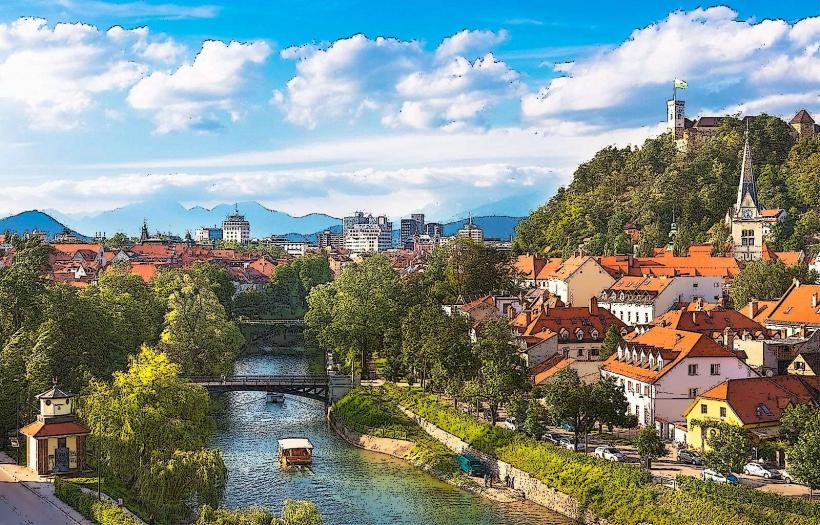
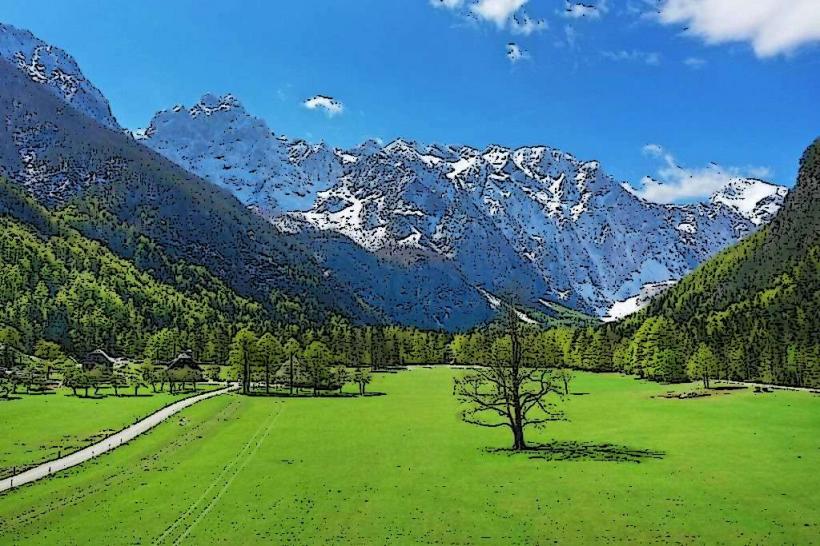
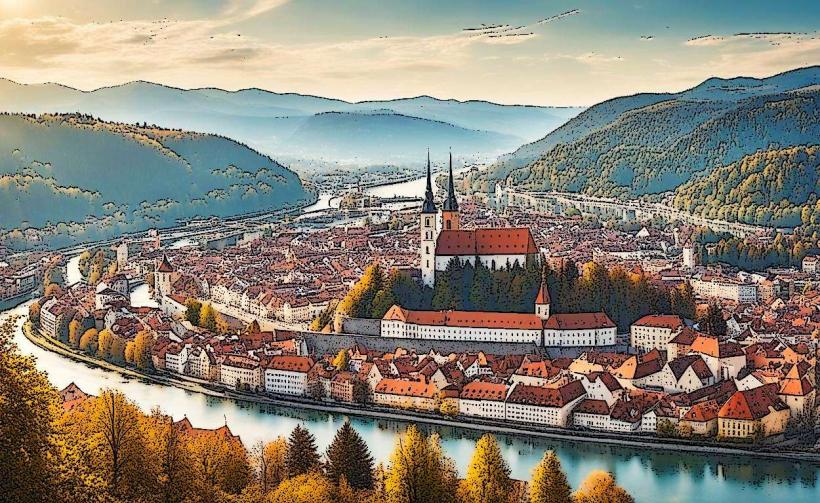
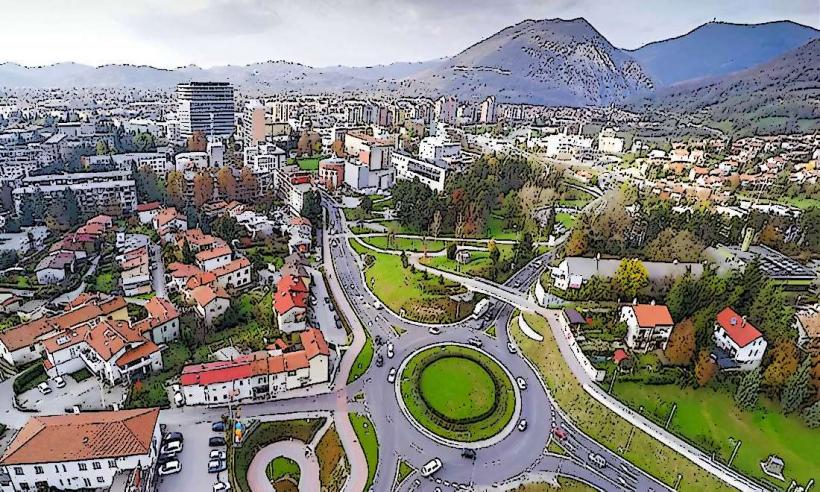
Slovenia is located in Central Europe at the crossroads of the Alps and the Mediterranean, bordered by Austria to the north, Hungary to the northeast, Croatia to the southeast, and Italy to the west. The country is defined by its mountainous Alpine terrain and the limestone plateaus of the Karst region; the capital city is Ljubljana.
Visa & Entry Policy
Slovenia is a member of the Schengen Area. Citizens of the US, UK, and EU do not require a visa for stays up to 90 days. Starting in late 2026, non-EU visa-exempt travelers must obtain an ETIAS (European Travel Information and Authorisation System) prior to arrival. Border entry requires a biometric passport valid for at least three months beyond the intended departure date.
Language & Communication
The official language is Slovenian (Slovene). English proficiency is high in urban centers and among the younger population but moderate in rural districts. Hungarian and Italian are co-official regional languages in municipalities where those minorities reside. Over 40 distinct dialects exist within the small geographic territory.
Currency & Payment Systems
The currency is the Euro (EUR). Digital payments and contactless "tap-to-pay" are universal in shops, hotels, and restaurants. Cash is still commonly utilized for small transactions in rural areas, at traditional markets, or in remote mountain huts. ATMs (Bankomat) are widely available in all towns.
National Transport Grid
Intercity travel is primarily served by Slovenske železnice (Slovenian Railways), connecting major towns. A comprehensive regional bus network is operated by companies such as Arriva Slovenia and Nomago. FlixBus handles a large volume of international and intercity connections. Domestic flights are non-existent due to the country's small size.
Digital Infrastructure
Primary mobile network providers are Telekom Slovenije, A1 Slovenija, and Telemach. 5G coverage is widespread in urban areas and along major transport corridors. 4G reliability is high nationwide, though signal strength may be shielded by the high-altitude terrain of the Julian Alps.
Climate & Seasonality
Slovenia has three climate zones: Mediterranean on the coast, Alpine in the northwest, and Continental in the east. The wettest months are typically October and November, while the driest period is usually in winter (January and February). Coastal areas remain mild year-round, while the mountains experience significant snowfall from December to March.
Health & Safety
No mandatory vaccinations are required for entry. Tick-borne encephalitis is a high risk in forested regions during the spring and summer; vaccination is recommended for outdoor activities. The universal emergency number for Police, Ambulance, and Fire is 112. The specific number for the Police is 113.
Top 3 Major Regions & Cities
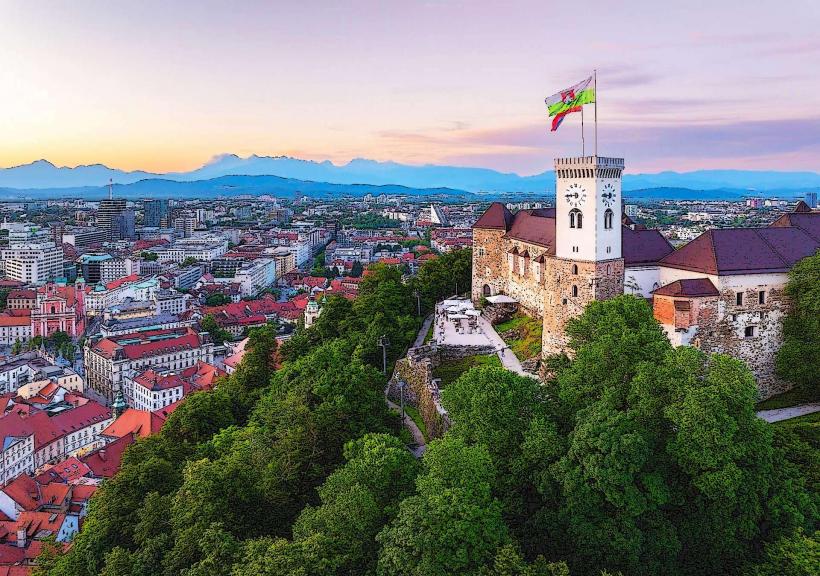
Central Slovenia: Primary hub is Ljubljana.
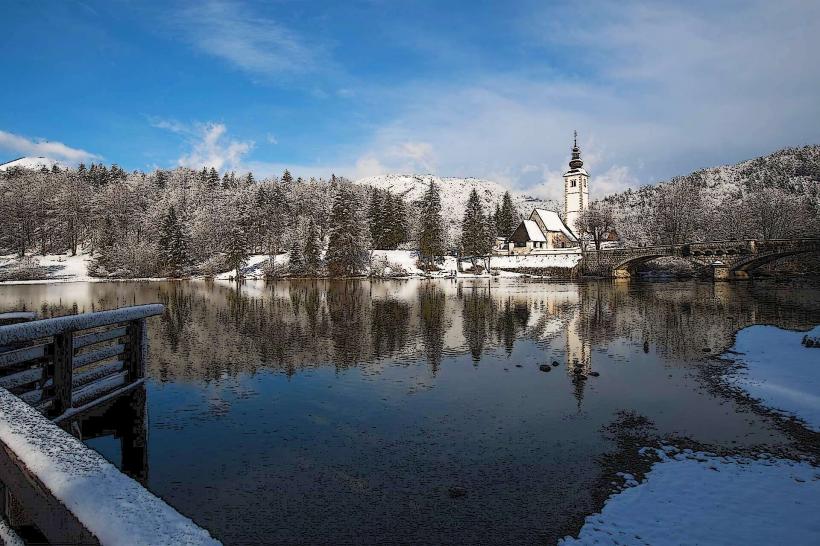
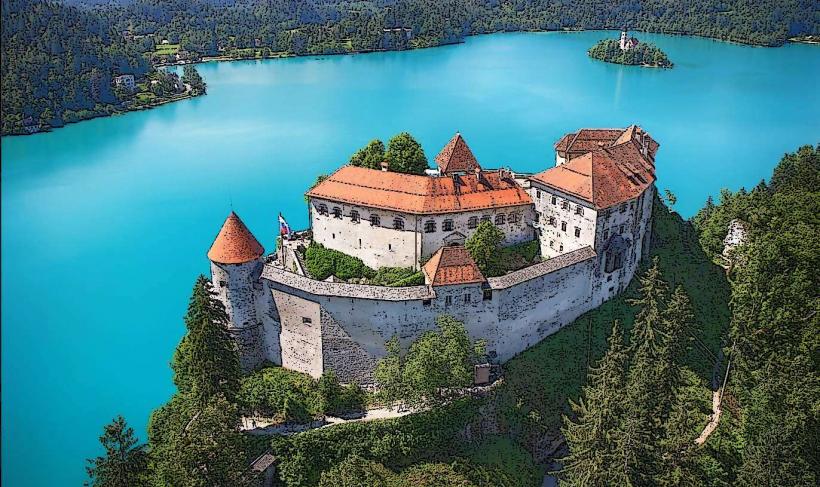
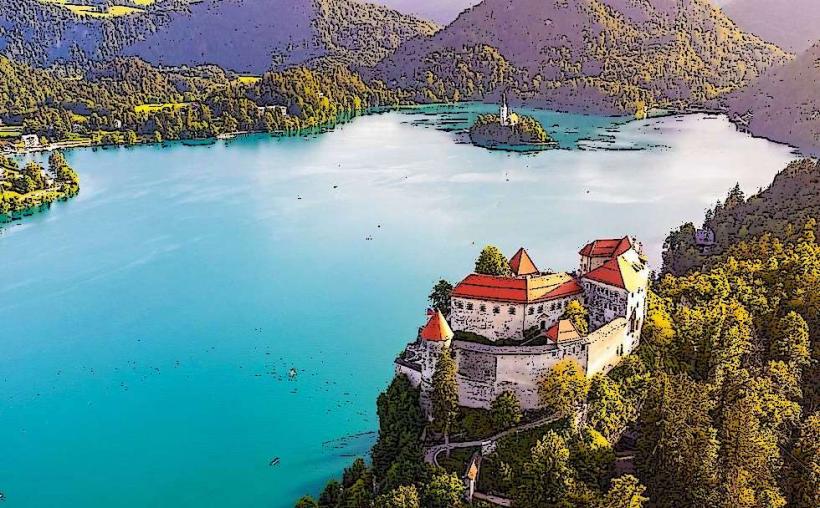
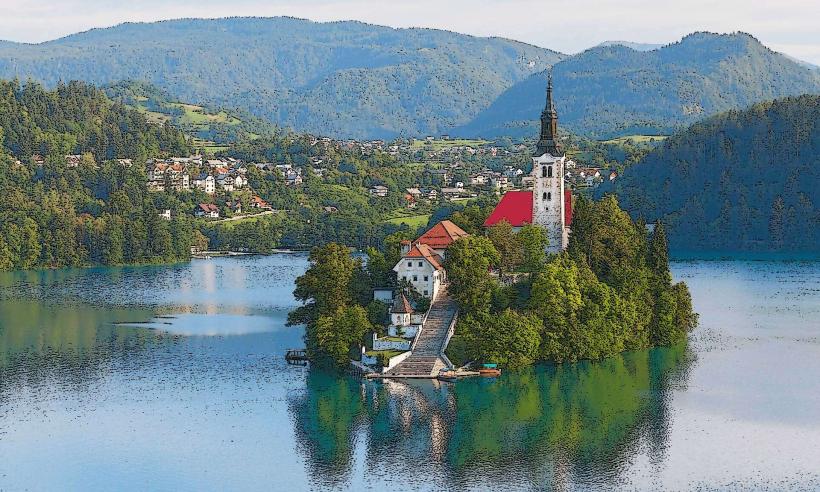
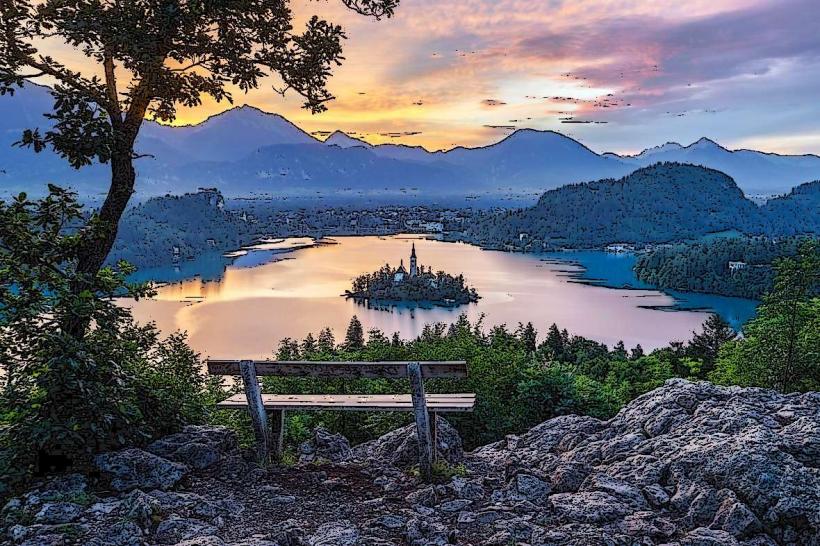
The Gorenjska (Alpine) Region: Primary hub is Kranj (servicing Lake Bled and Bohinj).
The Coastal & Karst Region: Primary hub is Koper.
Local Cost Index
1L Water: €1.00 ($1.10 USD)
1 Domestic Beer: €3.50 ($3.85 USD)
1 Sim Card (Data Plan): €10.00 ($11.00 USD)
Facts & Legends
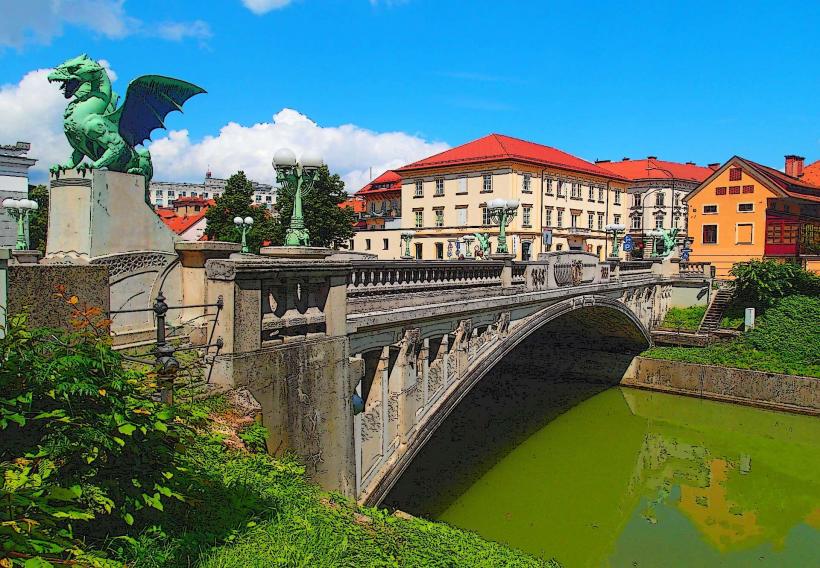
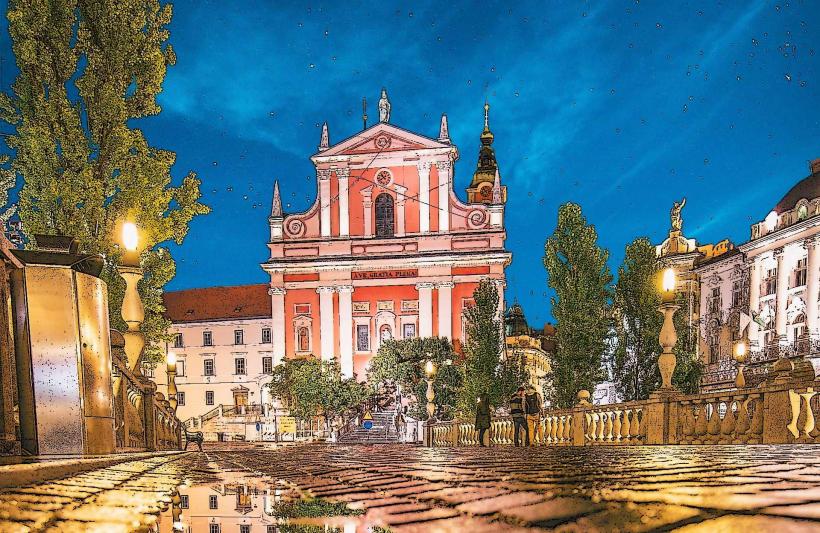
According to national legend, the Greek hero Jason and the Argonauts founded Ljubljana after defeating a massive dragon in the marshes surrounding the city; the dragon remains the official symbol of the capital. Historically, Slovenia is the only country to have been occupied by Nazi Germany, Fascist Italy, and Hungary simultaneously during World War II.