Information
City: BohinjCountry: Slovenia
Continent: Europe
Bohinj, Slovenia, Europe
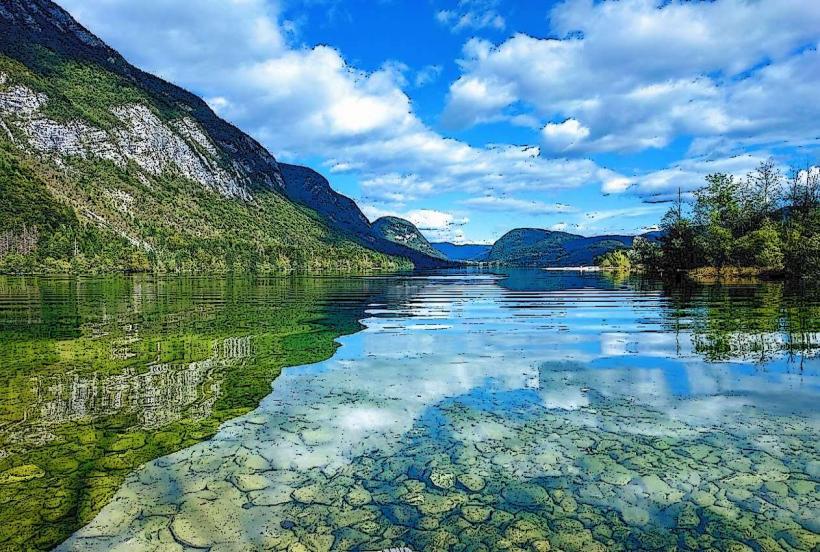
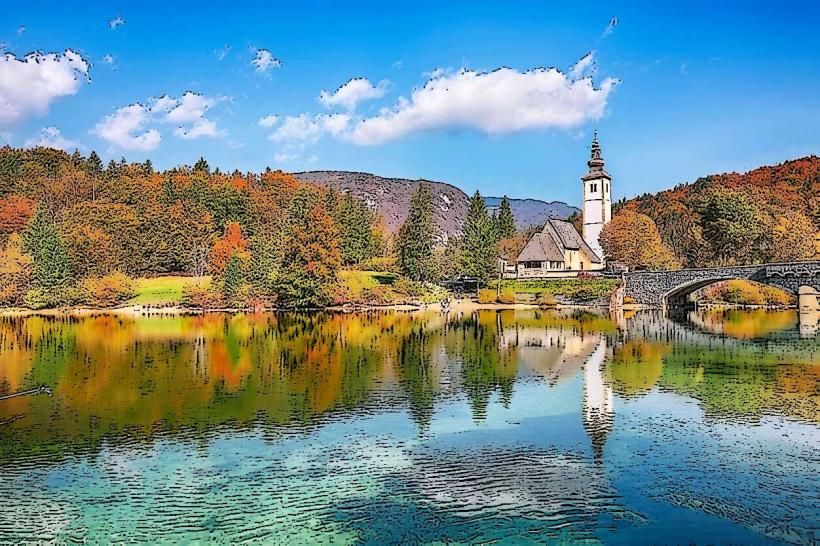
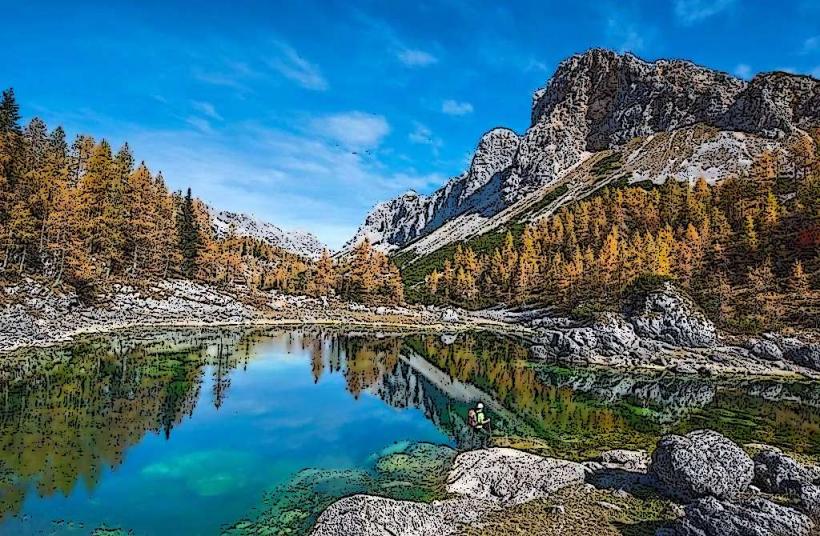
Bohinj is a high-altitude alpine basin and municipality serving as a primary ecological and recreational hub within Triglav National Park. It is located in the Julian Alps of northwestern Slovenia, encompassing the Sava Bohinjka valley and the largest natural permanent lake in the country.
Historical Timeline
Iron Age settlements in the valley date to the 7th century BC, primarily linked to iron ore mining. The region was governed by the Ortenburg and Habsburg dynasties before becoming a strategic logistical point during World War I due to its proximity to the Isonzo Front. The most significant architectural reconstruction occurred following the 1895 Ljubljana earthquake and the subsequent expansion of alpine tourism infrastructure. The primary event shaping the current urban form was the completion of the Bohinj Railway in 1906, which connected the basin to the Mediterranean and Central Europe.
Demographics & Population
The municipality of Bohinj has a total population of approximately 5,147 residents. The population is over 96% ethnic Slovene. The median age is 45.2 years, reflecting a stable, aging rural demographic.
Urban Layout & Key Districts
The municipality is decentralized, consisting of 24 villages scattered across the Upper and Lower Bohinj Valleys. Bohinjska Bistrica is the administrative and commercial center located in the lower valley. Ribčev Laz is the primary tourist gateway situated at the eastern edge of Lake Bohinj. Stara Fužina is a historic alpine village located northeast of the lake, serving as the main entry point for high-altitude hiking.
Top City Landmarks
Lake Bohinj (Ledeniško jezero)
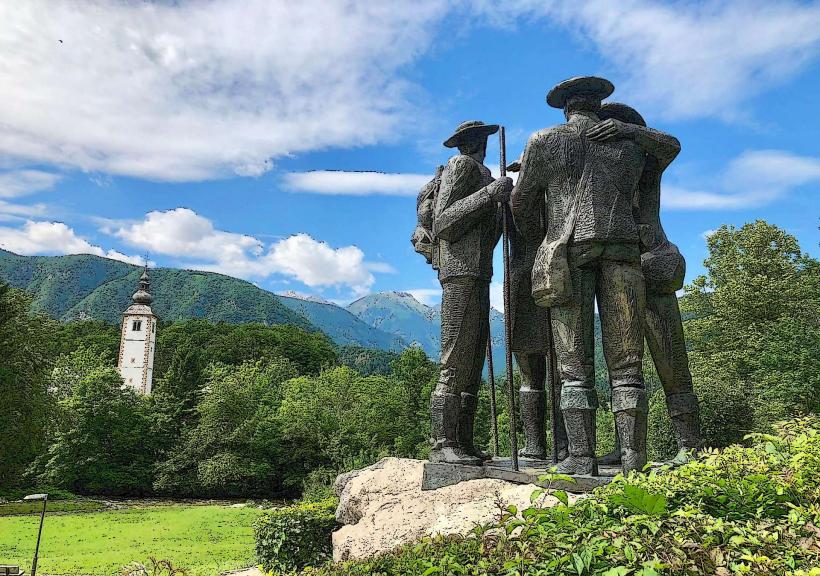
Church of St. John the Baptist (13th-century frescoed church)
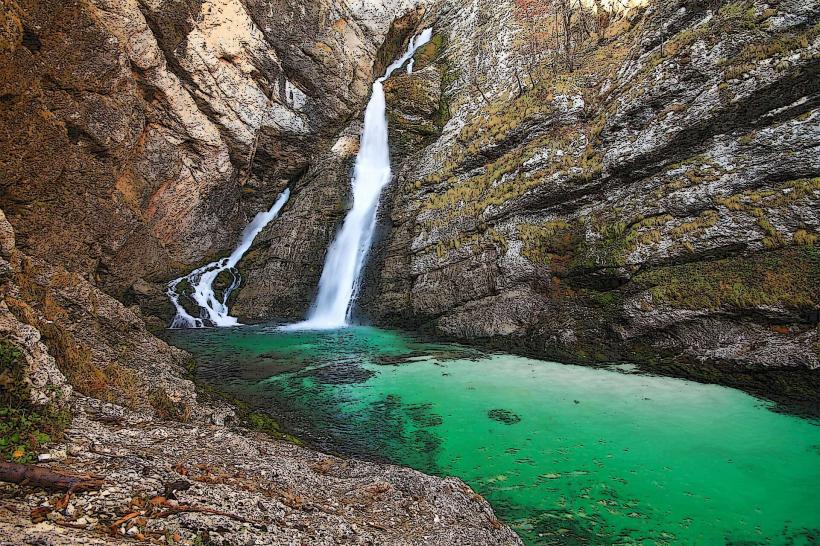
Savica Waterfall (Izvir Savice)
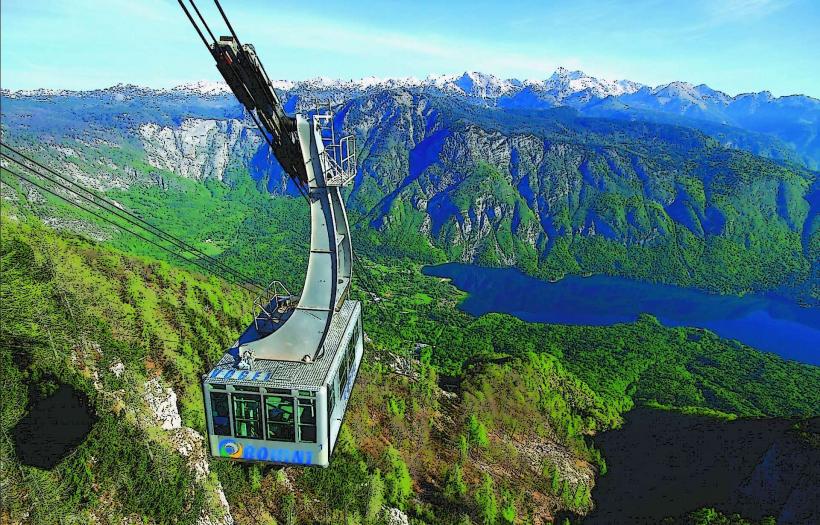
Vogel Ski Resort (Accessible via cable car)
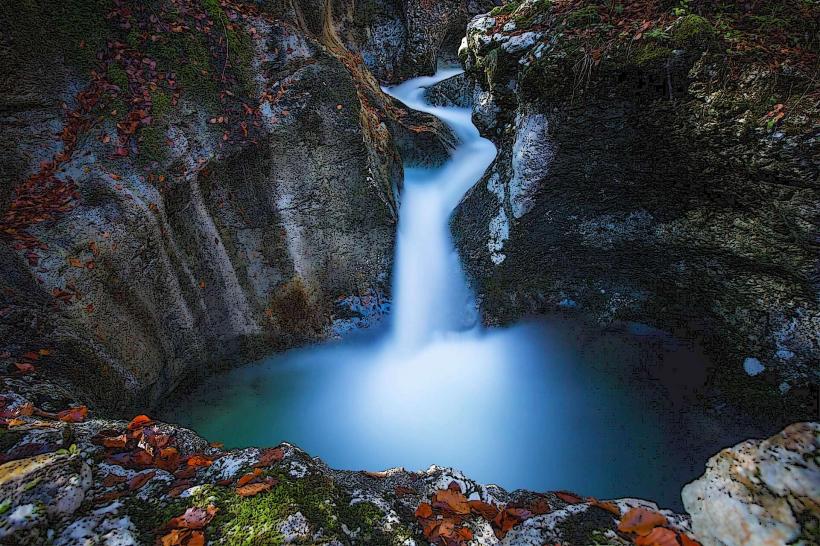
Mostnica Gorge and the Devil's Bridge
Transportation Network
Movement within the basin is facilitated by the "Bohinj Mobility Card," which provides access to seasonal "Ski & Hike" shuttle buses. The regional train stops at Bohinjska Bistrica on the Jesenice–Nova Gorica line. There is no metro or tram. Ride-sharing apps are non-functional; local taxis are few and must be pre-booked through the Bohinj Info Center. Traffic density is moderate but peaks severely at the Ribčev Laz crossroads during July and August.
Safety & "Red Zones"
Bohinj is exceptionally safe with nearly non-existent violent crime. There are no neighborhoods to avoid. Safety risks are primarily environmental, involving sudden alpine weather shifts and rockfalls on mountain trails. Common scams are absent, though visitors should strictly adhere to parking regulations in protected areas to avoid high municipal fines.
Digital & Financial Infrastructure
Average internet speed is 60-80 Mbps, with fiber optic available in Bohinjska Bistrica. Main mobile carriers are Telekom Slovenije and A1. Card acceptance is high in hotels and larger restaurants, but cash is mandatory for mountain huts (Koča) and local dairy farms. ATMs are located in Bohinjska Bistrica and Ribčev Laz.
Climate & Air Quality
Temperatures range from -6°C to 2°C in January and 11°C to 24°C in July. The basin acts as a cold-air trap in winter, leading to significant snow accumulation and temperature inversions. Air quality is pristine, categorized among the highest in Slovenia due to its protected status within a national park.
Culture & Social Norms
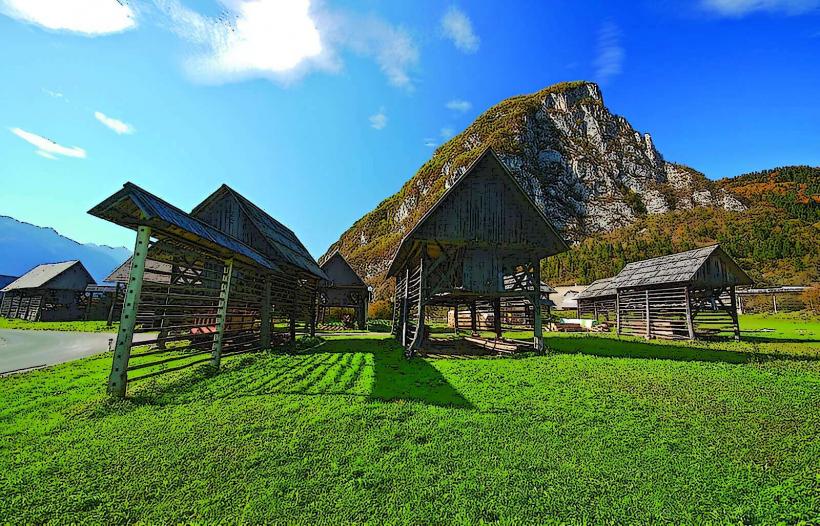
Tipping is not mandatory but 10% is customary for table service. Handshakes are the standard greeting. Strict environmental norms apply: littering and wild camping are socially and legally prohibited. Smoking is banned in indoor public areas. Local culture is centered on "Planšarstvo" (high-mountain dairy farming) and the production of Mohant cheese.
Accommodation Zones
Stay in Ribčev Laz for walking access to the lake and tourist infrastructure. Stay in Bohinjska Bistrica for proximity to the railway station, supermarkets, and the thermal water park.
Local Cost Index
1 Espresso: €1.70 ($1.87)
1 Standard Lunch: €16.00 ($17.60)
1 Bus Ticket: €1.30 - €2.50 ($1.43 - $2.75)
Nearby Day Trips
Lake Bled: 26 km
Pokljuka Plateau (Biathlon center): 22 km
Mount Triglav (Highest peak): 15 km (hiking distance)
Radovljica (Bee-keeping museum): 33 km
Facts & Legends
According to local myth, when God was distributing land to all people, one small group remained silent and did not push for their share; moved by their modesty, God gave them the most beautiful piece of land he had reserved for himself, calling it "Bohinj" (derived from Boh, the local word for God). Another historical oddity is the "Goldenhorn" legend, which is shared with Bovec but specifically tied to the high karst plateaus above Lake Bohinj.