Information
Landmark: Triglav Lakes ValleyCity: Bohinj
Country: Slovenia
Continent: Europe
Triglav Lakes Valley, Bohinj, Slovenia, Europe
Triglav Lakes Valley (Dolina Triglavskih jezer), also known as the Seven Lakes Valley, is a high-altitude alpine glacial valley located in the heart of the Julian Alps within Triglav National Park. It is situated between the Bohinj and Trenta valleys, stretching approximately 8 kilometers in length.
Visual Characteristics
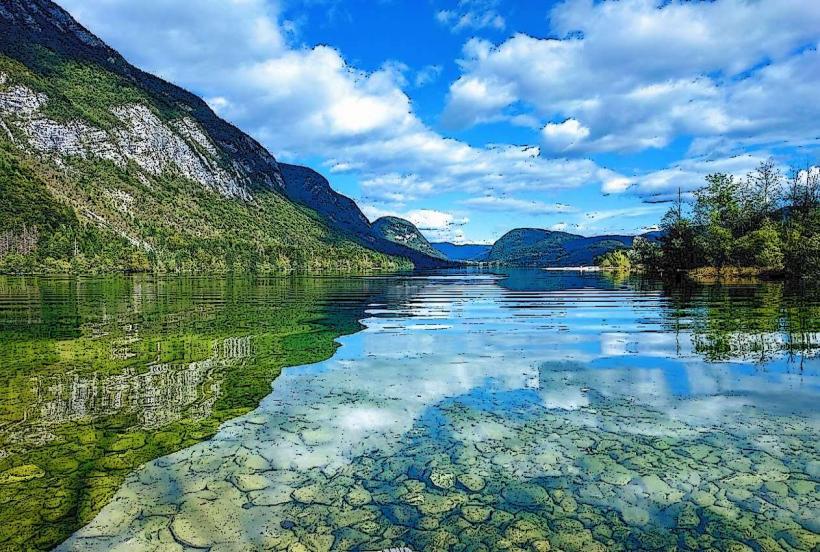
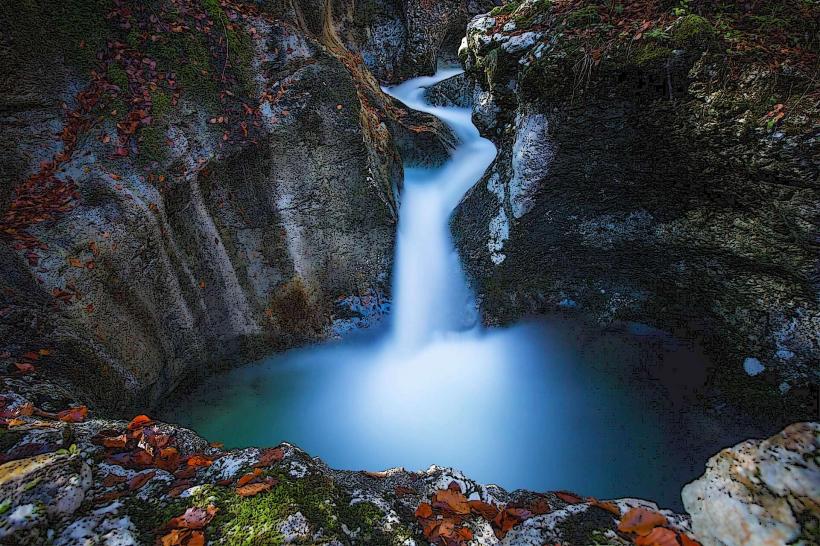
The valley is a classic karst high-plateau landscape featuring steep limestone walls, scree slopes, and seven permanent glacial lakes (and several intermittent ones) of varying sizes and colors. The water ranges from the deep emerald of the Double Lake (Dvojno jezero) to the milky turquoise of the Great Lake (Ledvica). The terrain includes unique "karren" (limestone pavements) and sparse alpine vegetation such as larch trees and edelweiss.
Location & Access Logistics
The valley is a remote high-mountain area accessible only by foot. The most common trailheads are:
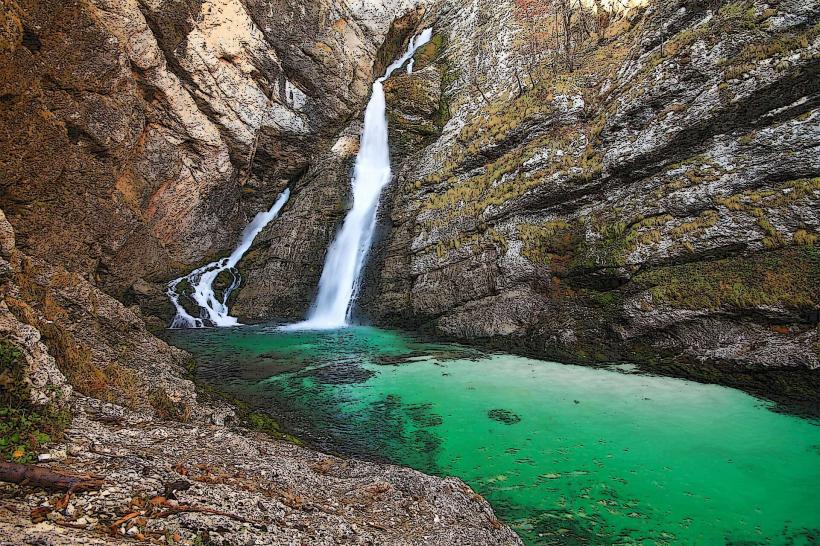
From Savica Waterfall (Bohinj): A steep, 3-to-4-hour ascent via the Komarča wall.
From Planina Blato (Bohinj): A moderate 3-to-5-hour hike through alpine pastures.
From Lepena Valley (Soča): A long ascent via the Krn Lake.
The nearest road access is at the Savica Waterfall parking lot (Ukanc), 4km from the lake road.
Historical & Ecological Origin
The valley was formed by the massive Triglav glacier during the Pleistocene epoch, which carved deep depressions into the limestone bedrock. It is a strictly protected zone within the National Park due to its fragile alpine ecosystem. The lakes are oligotrophic (low in nutrients), though some have suffered ecological shifts due to the illegal introduction of fish in the 1990s.
Key Highlights & Activities
High-altitude trekking is the primary activity, with the trail connecting the various lakes (Black Lake, Double Lake, Great Lake, Green Lake, Brown Lake, and Podstenje Lake). The Triglav Lakes Hut (Koča pri Triglavskih jezerih) serves as a central hub for food and overnight stays. Photography of the lake reflections and the endemic Alpine marmots is a major draw.
Infrastructure & Amenities
Infrastructure is limited to mountain huts: the Triglav Lakes Hut (1,685m) and the Zasavska Hut on Prehodavci (2,071m). These provide basic dormitory accommodation and meals during the summer season (June–September). There is no cell phone signal in most parts of the valley. Natural shade is nonexistent at higher elevations; water must be carried as the lake water is not potable without treatment.
Best Time to Visit
July and August provide the most stable weather and snow-free trails. Late September offers the visual spectacle of yellowing larch trees. Hiking is discouraged from November to May due to extreme snow depth, avalanche risk, and the closure of mountain huts.
Facts & Legends
Local lore suggests the lakes are the "tears of the mountains" shed after the Goldhorn (Zlatorog) was wounded. A scientific fact: The Great Lake (Jezero v Ledvicah) is the largest and deepest of the group, reaching a depth of 15 meters, and remains ice-covered for up to six months of the year.
Nearby Landmarks
Savica Waterfall: 4.0km Southeast (Trail distance)
Mount Triglav: 6.0km North (Climbing distance)
Komna Plateau: 5.0km West
Seven Lakes Hut: 0km (Central point)
Black Lake (Črno jezero): 2.5km South