Information
Landmark: Lake BohinjCity: Bohinj
Country: Slovenia
Continent: Europe
Lake Bohinj, Bohinj, Slovenia, Europe
Lake Bohinj is a permanent glacial lake situated within the Bohinj Valley of the Julian Alps, located in northwestern Slovenia. It is the largest natural lake in the country, contained within the boundaries of Triglav National Park.
Visual Characteristics
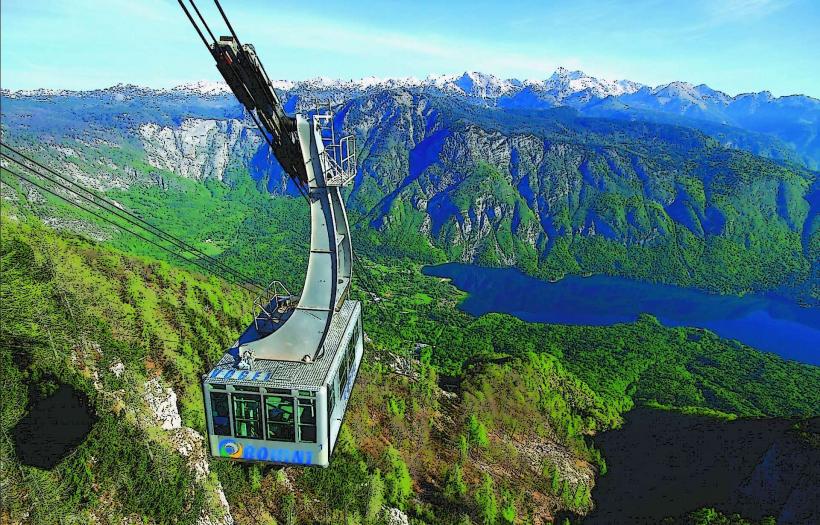
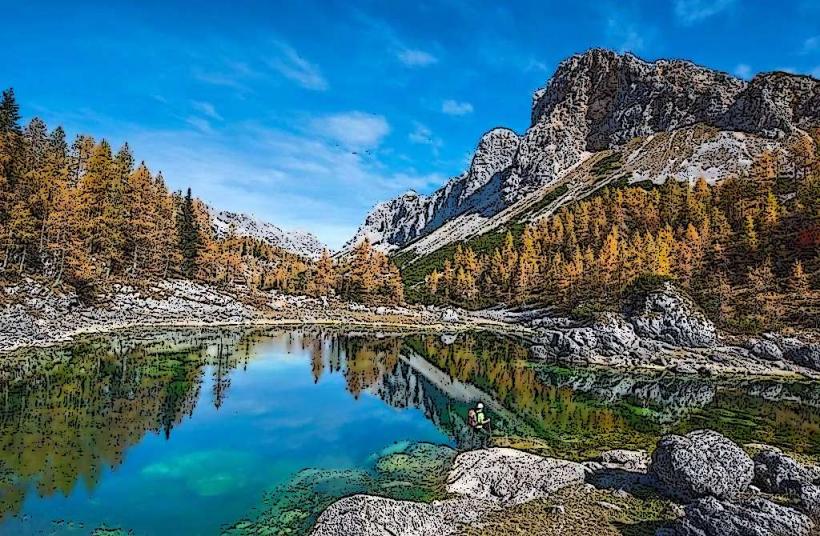
The lake surface is a deep cobalt blue, characterized by high transparency and a visibility depth of up to 10 meters. It is surrounded by steep limestone mountain walls rising over 1,000 meters, with the peaks of the Julian Alps reflected in the water. The shoreline consists of light-colored limestone gravel and boulders, with dense beech and spruce forests extending to the water's edge.
Location & Access Logistics
The lake is located 26km southwest of Bled via Route 209. Access is primary through the village of Ribčev Laz at the eastern end or Ukanc at the western end. Public transport is provided by frequent bus lines from Ljubljana and Bled, stopping at several points along the southern shore. Parking is restricted to designated pay-and-display lots in Ribčev Laz and Ukanc; seasonal shuttle buses operate from remote parking areas during summer months.
Historical & Ecological Origin
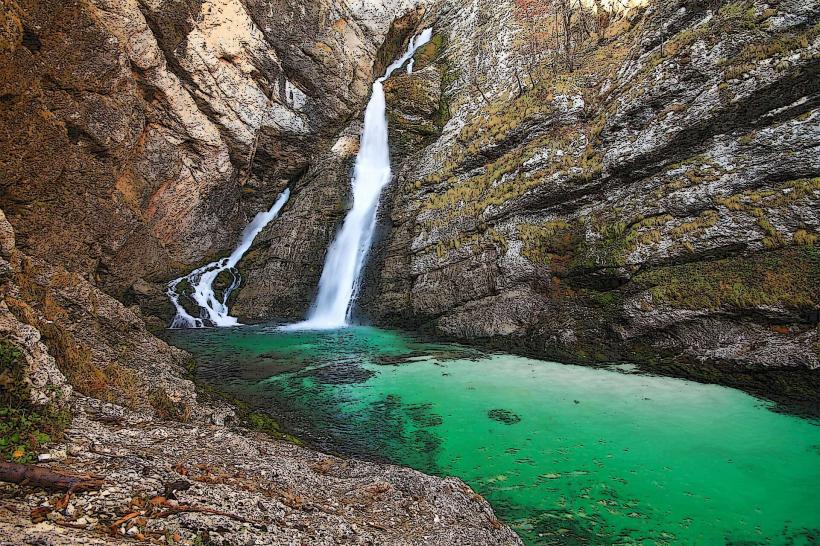
Lake Bohinj is a tectonic-glacial lake formed approximately 20,000 years ago by the retreat of the Bohinj Glacier. It is a remnant of a larger basin carved into the limestone and dolomite bedrock. The lake is fed primarily by the Savica Waterfall and numerous sublacustrine springs, with the Sava Bohinjka river serving as the sole surface outflow.
Key Highlights & Activities
Swimming is permitted at all gravel beaches, with water temperatures reaching 22°C in summer. Non-motorized boating, including kayaking and stand-up paddleboarding, is localized around the main entry points. A 12km perimeter trail allows for a full circuit hike. The Vogel Cable Car, located in Ukanc, provides aerial access to the ski resort overlooking the basin.
Infrastructure & Amenities
Public restrooms are located at the Ribčev Laz harbor and the Ukanc parking lot. Seasonal food vendors and specialized restaurants are concentrated in the peripheral villages. Cell phone signal (5G/4G) is functional along the southern shore but degrades in the deep valleys of the northern bank. There is limited artificial shade on the beaches; most shade is provided by the forest perimeter.
Best Time to Visit
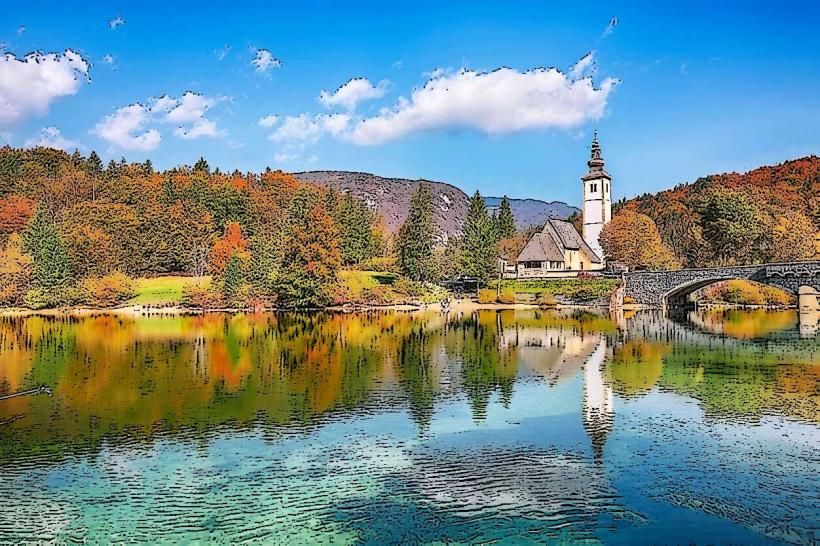
Optimal photography lighting occurs in the early morning at the eastern shore (Ribčev Laz) for the reflection of the mountains, or at sunset from the western shore. May, June, and September offer the best balance of weather and crowd density. In winter, the lake surface occasionally freezes, though thickness is rarely sufficient for walking.
Facts & Legends
Local folklore centers on the "Zlatorog" (Goldhorn), a mythical chamois with golden horns that guarded a hidden treasure in the mountains surrounding the lake. A verified geographical oddity is that the lake contains more water than Lake Bled, despite having a similar surface area, due to its significant depth of 45 meters.
Nearby Landmarks
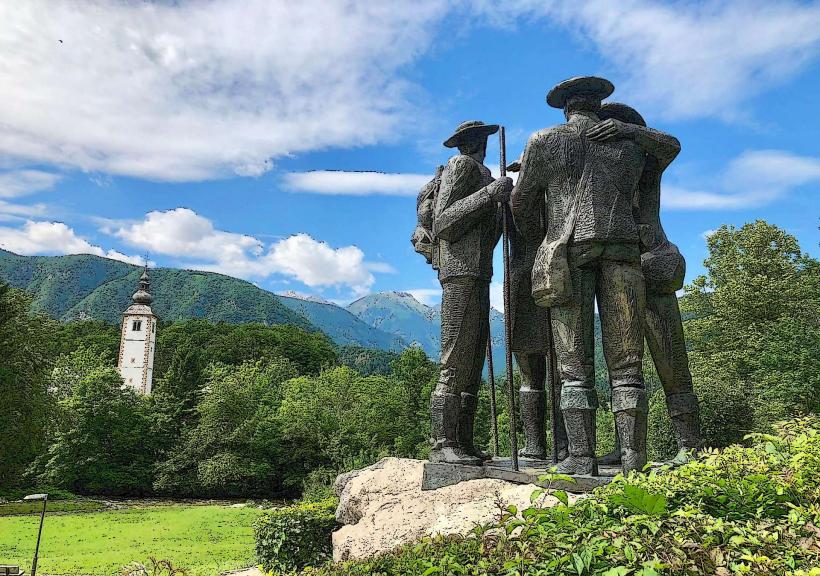
Church of St. John the Baptist: 0.1km East (Ribčev Laz)
Savica Waterfall: 4.5km West (from Ukanc)
Vogel Cable Car: 0.5km South (from Ukanc)
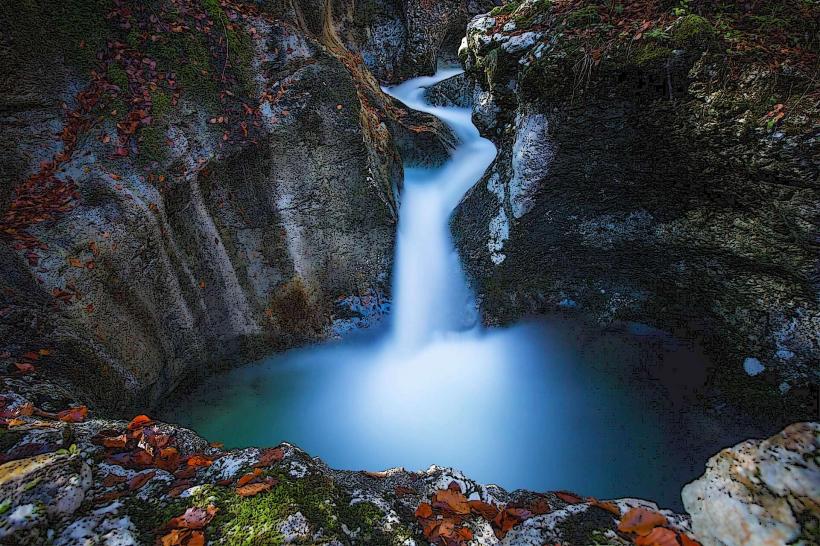
Mostnica Gorge: 1.5km North
Bohinj Railway Tunnel: 7.0km Southeast