Information
City: PtujCountry: Slovenia
Continent: Europe
Ptuj, Slovenia, Europe
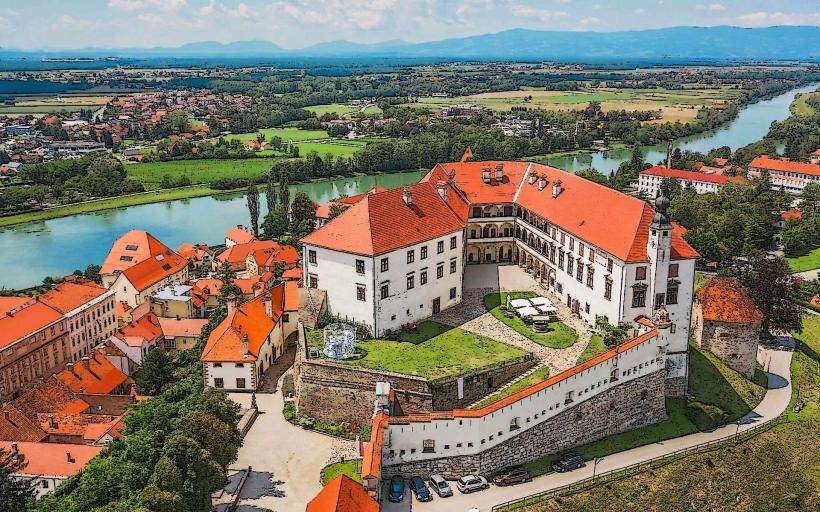
Ptuj is the oldest documented town in Slovenia, serving as a regional administrative and cultural center for the Lower Podravje region. It is situated in northeastern Slovenia on the banks of the Drava River, at the intersection of the Drava plain and the viticultural hills of Haloze and Slovenske gorice.
Historical Timeline
Archaeological evidence dates settlement to the Stone Age, but the city achieved prominence as the Roman legionary camp Poetovio in 15 BC. It was governed by the Archdiocese of Salzburg from 977 to 1555 before becoming a sovereign provincial town under the Habsburgs. The most significant urban reconstruction followed the catastrophic fires of the late 17th century, which led to the Baroque remodeling of many medieval structures. The primary event shaping its current urban form was the transition from a Roman military stronghold to a medieval mercantile center enclosed by defensive walls.
Demographics & Population
The municipality has a total population of approximately 23,673 residents. The demographics are predominantly ethnic Slovene (over 90%), with small minorities of Croatians and Serbians. The mean age of the population is 45.7 years.
Urban Layout & Key Districts
The city is organized linearly along the left bank of the Drava River, beneath a dominant castle hill. The Center district (Old Town) contains the historic core and is a protected monument. Breg-Turnišče lies to the southwest across the river, while the Ljudski vrt district is situated to the north of the center.
Top City Landmarks
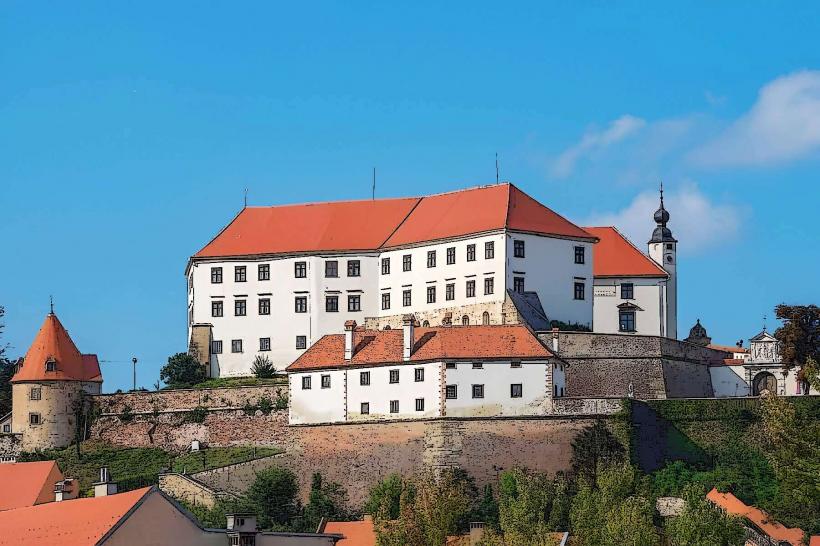
Ptuj Castle (Ptujski Grad)
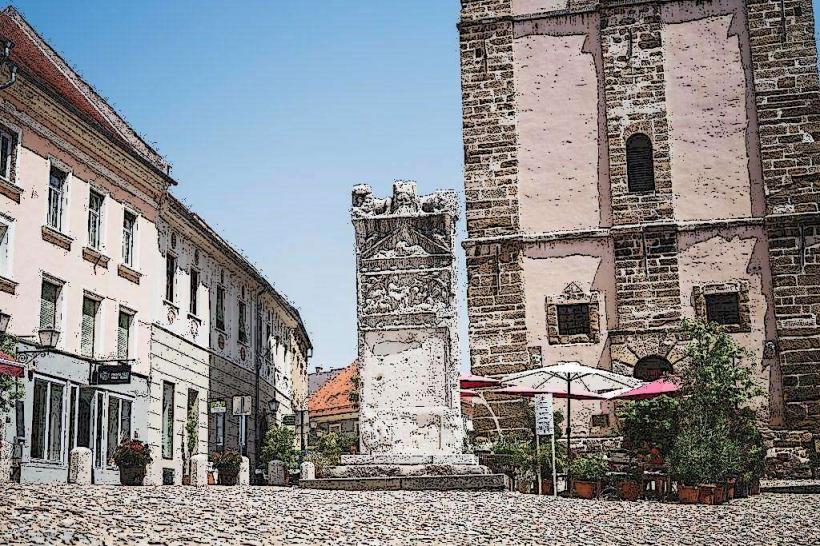
Orpheus Monument (2nd-century Roman tombstone)
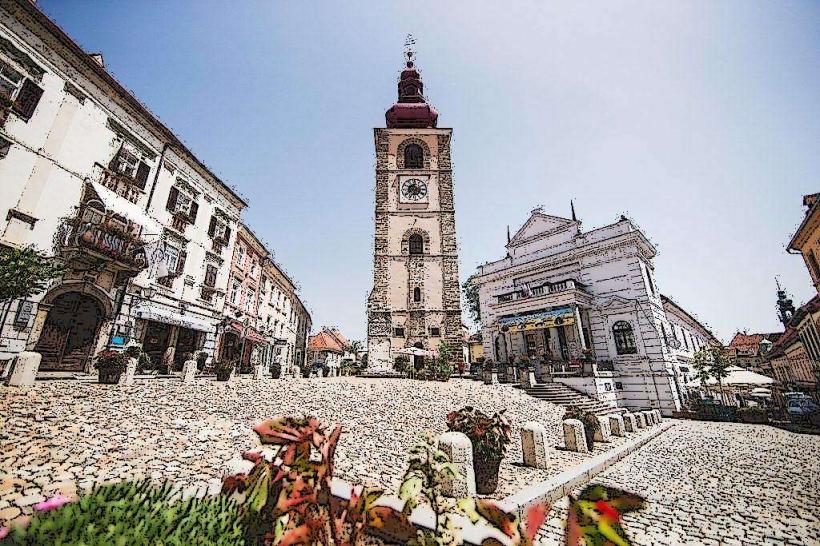
Ptuj City Tower (Mestni stolp)
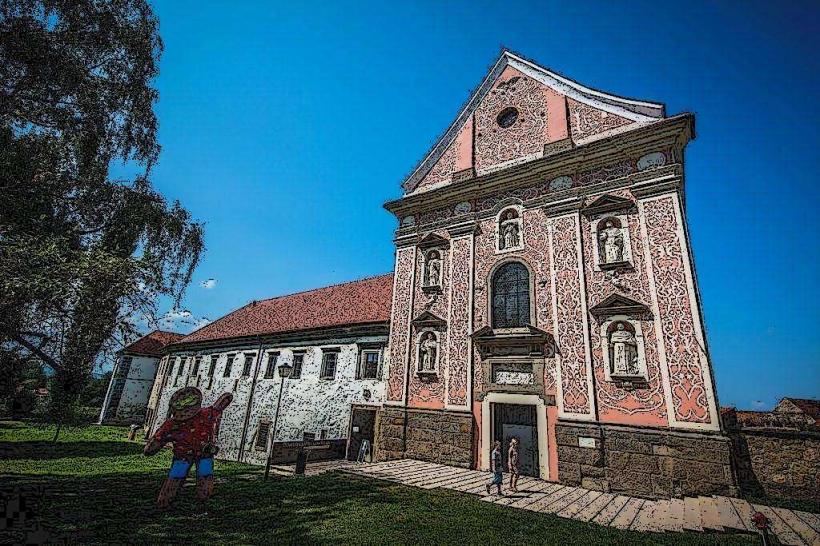
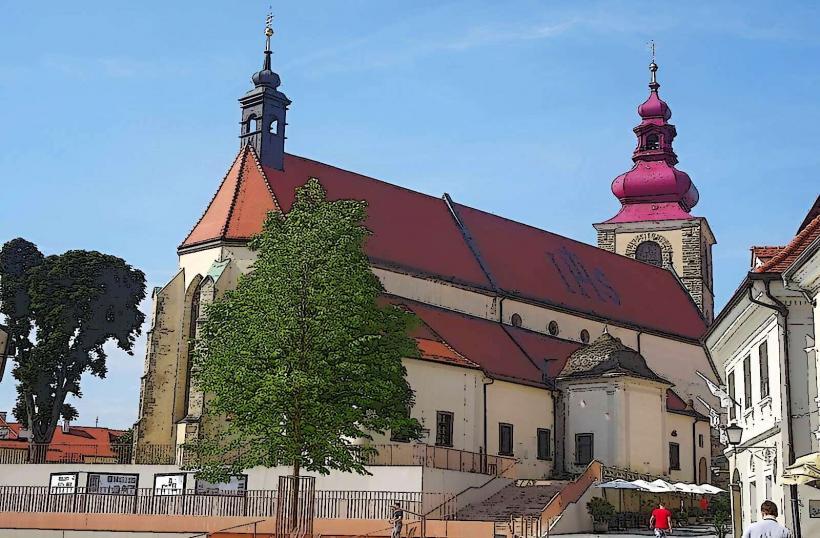
Church of St. George
Transportation Network
Navigation within the compact historic center is primarily pedestrian. The city operates a local bus network (Arriva) connecting the center to peripheral districts. There is no metro or tram system. Ride-sharing via apps like Uber is not operational; local taxi services (e.g., Taxi Ptuj) must be called via telephone. Traffic density is low, though parking is restricted within the medieval core.
Safety & "Red Zones"
Ptuj is statistically one of the safest cities in Europe with a very low crime rate. There are no designated "red zones" or neighborhoods to avoid at night. Common tourist scams are virtually non-existent, though standard vigilance against pickpocketing is advised during the Kurentovanje festival.
Digital & Financial Infrastructure
Average internet speed is approximately 100 Mbps. Main mobile carriers include Telekom Slovenije, A1, and Telemach. Card acceptance is high in hotels and shops, though smaller cafes and market stalls frequently operate on a cash-only basis. ATMs (Bankomats) are concentrated in the Center and near shopping zones.
Climate & Air Quality
Seasonal temperatures range from -3°C to 4°C in January and 14°C to 25°C in July. The region experiences moderate rainfall year-round. Air quality is generally high, though localized wood-smoke haze can occur in winter months due to residential heating.
Culture & Social Norms
Tipping is not mandatory but 10% is standard for good service in restaurants. A firm handshake is the standard greeting. Dress code is generally informal, though modest attire is expected in churches. Smoking is prohibited in all indoor public spaces; alcohol consumption is regulated and confined to licensed premises or designated festival areas.
Accommodation Zones
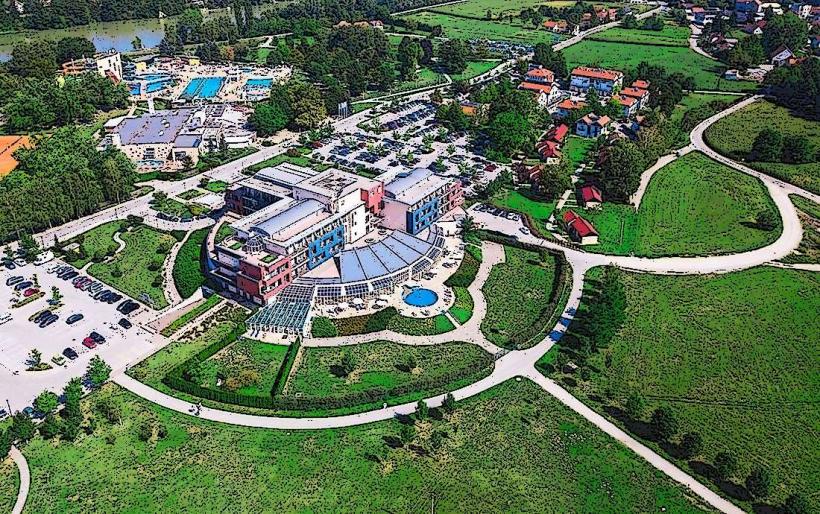
Stay in the Old Town (Center) for immediate access to historical monuments and pedestrian zones. Stay near Terme Ptuj (west of the center) for access to thermal spa facilities and wellness infrastructure.
Local Cost Index
1 Espresso: €1.50 ($1.65)
1 Standard Lunch: €12.00 ($13.20)
1 Bus Ticket: €0.80 ($0.88)
Nearby Day Trips
Maribor (Slovenia's second city): 28 km
Jeruzalem (Wine region): 35 km
Varaždin, Croatia (Baroque architecture): 43 km
Ljubljana (Capital city): 130 km
Facts & Legends
The city is the site of the ancient legend of the Kurent, a monstrous sheepskin-clad figure with a long red tongue and cowbells. According to local myth, the Kurents are supernatural beings who emerge at the end of winter to "chase away" the cold and evil spirits, ensuring fertility and the arrival of spring; this tradition is now protected by UNESCO.