Information
Landmark: Ptuj Orpheus MonumentCity: Ptuj
Country: Slovenia
Continent: Europe
Ptuj Orpheus Monument, Ptuj, Slovenia, Europe
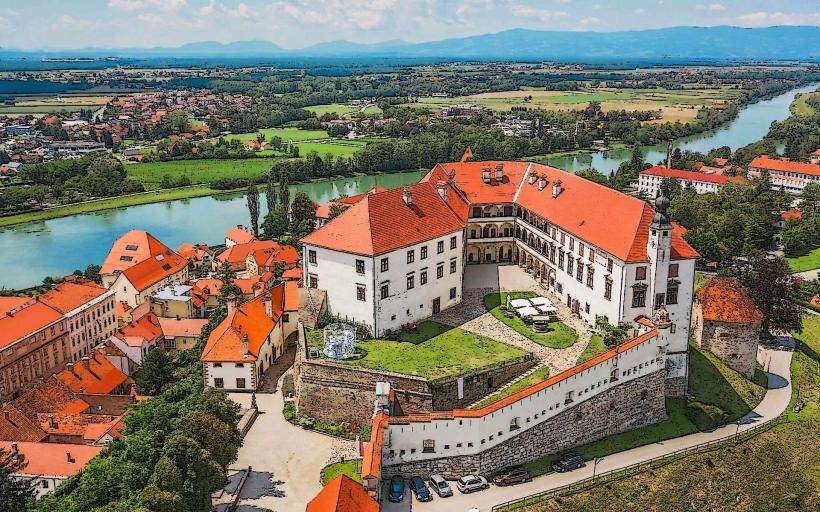
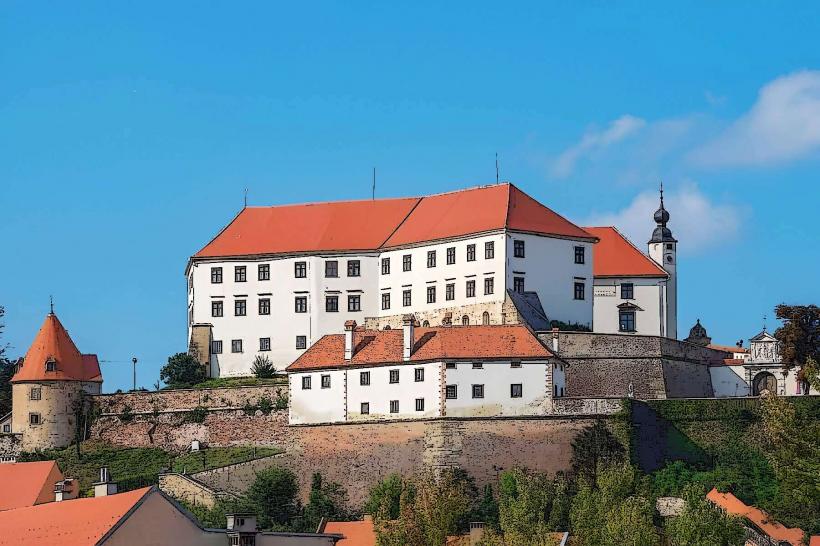
Ptuj-castle_ptuj" class="underline">Ptuj Castle (Ptujski grad) is a monumental fortress located on a strategic hill overlooking Ptuj, Slovenia's oldest city. It serves as the primary seat of the Ptuj-Ormož Regional Museum.
Visual Characteristics
The castle is a large, multi-wing complex reflecting a transition from medieval defensive architecture to Renaissance and Baroque residential styles.
Architecture: Features a horseshoe-shaped ground plan (14th century) with several distinct wings, including the 12th-century Leslie Wing.
Materials: Constructed from massive stone blocks, red brick (characteristic of Ptuj's roofs), and timber.
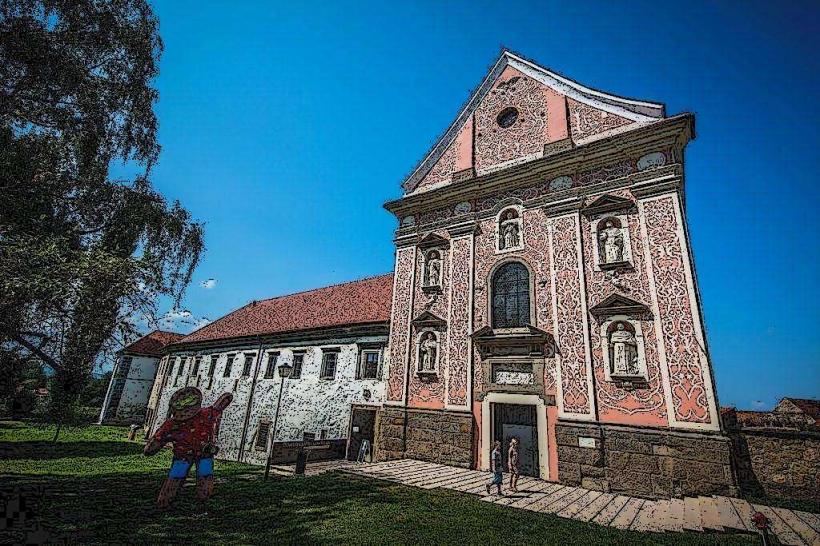
Details: Notable elements include the Western Tower (the oldest part), arched Renaissance corridors, and a Baroque chapel. The exterior is defined by high white-plastered walls and steep red-tiled roofs.
Location & Access Logistics
Address: Na gradu 1, 2250 Ptuj.
Access: The castle is a 10-minute uphill walk from the town center. Pedestrians can use the signposted staircase from Slovenski trg (Slovenian Square).
Parking: A small, free public parking lot is located at the foot of the castle hill near the panorama viewpoint. Larger paid lots are available in the city center.
Public Transport: Ptuj is connected by rail and bus to Maribor and Ljubljana; the castle is approximately 1.5 km from the Ptuj Railway Station.
Historical Origin
The castle hill has been settled since the 5th millennium BCE.
Roman Era: Site of a Roman fortress and temples (Poetovio).
Medieval: The current stone fortress was established in the 11th century by the Archdiocese of Salzburg to defend against Hungarian incursions.
Later Ownership: Passed to the Lords of Ptuj (1137–1438) and later the Earls of Leslie (1656–1802), who transformed it into a luxurious Baroque residence.
Key Highlights & Activities
The castle houses one of Slovenia's most extensive museum collections:
Musical Instruments: Over 300 items, including a rare 2nd-century Roman tibia (flute) and Baroque lutes.
Armory: A ground-floor collection of medieval and Renaissance weapons, armor, and polearms.
Turqueries: The largest European collection of 17th-century paintings with Ottoman motifs.
Carnival Masks: A permanent exhibit on the second floor featuring traditional Kurent masks and Shrovetide costumes from the region.
Period Rooms: Reconstructed chambers displaying furniture, tapestries, and daily objects from the 16th to 19th centuries.
Infrastructure & Amenities
Facilities: On-site café in the courtyard, modern restrooms, and a museum shop.
Connectivity: Free Wi-Fi is available in the courtyard and public museum areas.
Accessibility: Wheelchair access is partial due to the historical cobblestones and steep inclines; most ground-floor exhibits are accessible.
Environment: The elevated position provides natural cooling and panoramic views of Lake Ptuj and the Drava River.
Best Time to Visit
The castle is open daily (typically 10:00–18:00, with reduced winter hours). The optimal time for photography is late afternoon for a view over the city's red roofs. Visit in February during the Kurentovanje festival for a deep dive into local folklore.
Facts & Legends
A historical oddity is the tombstone of Frederick IX, the last Lord of Ptuj, built into the ground floor. A local legend claims the castle is connected via secret tunnels to the Mithras Shrines and the town's wine cellars. It is also home to the oldest known wine cellar in Slovenia (Ptujska klet) located just below the castle hill.
Nearby Landmarks
Orpheus Column – 0.4km South
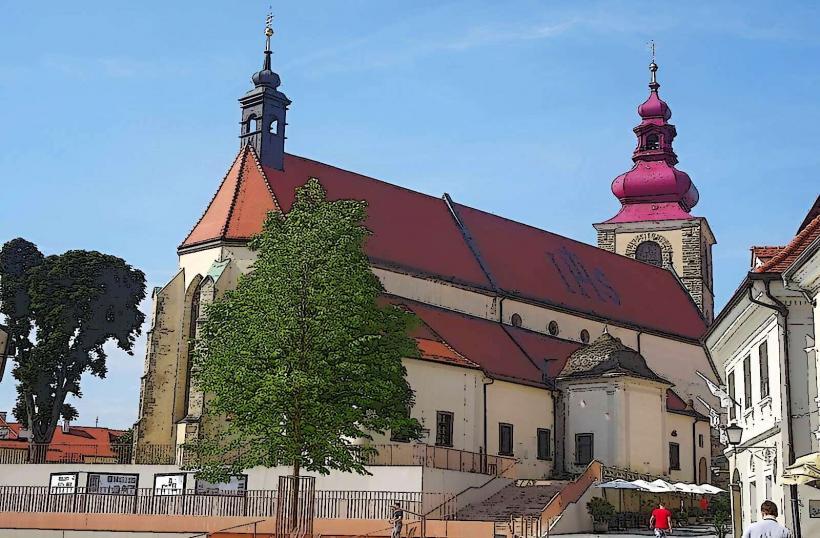
St. George’s Church – 0.4km South
Dominican Monastery – 0.5km West
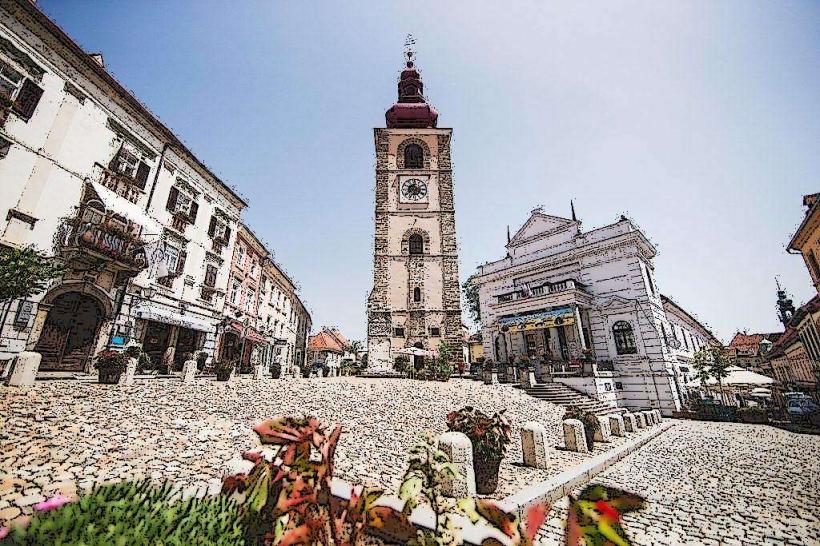
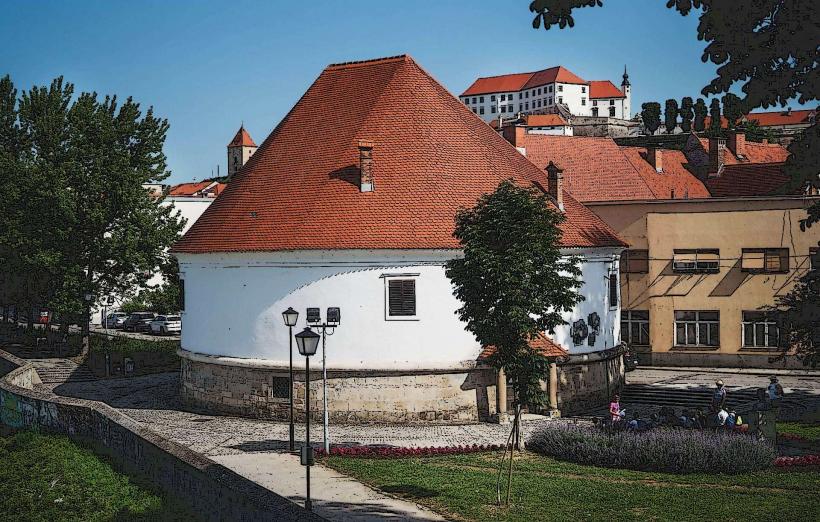
Ptuj City Tower – 0.4km South
Mithras Shrine I & II – 1.5km West