Information
Landmark: Dominican MonasteryCity: Ptuj
Country: Slovenia
Continent: Europe
Dominican Monastery, Ptuj, Slovenia, Europe
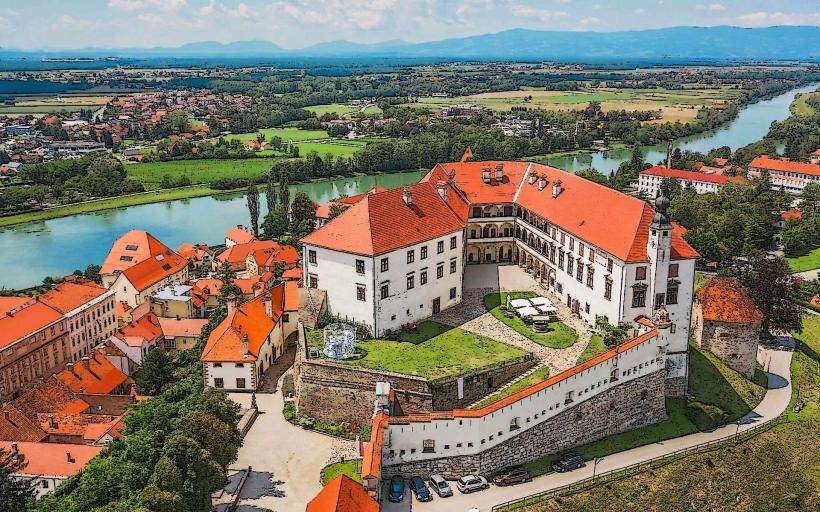
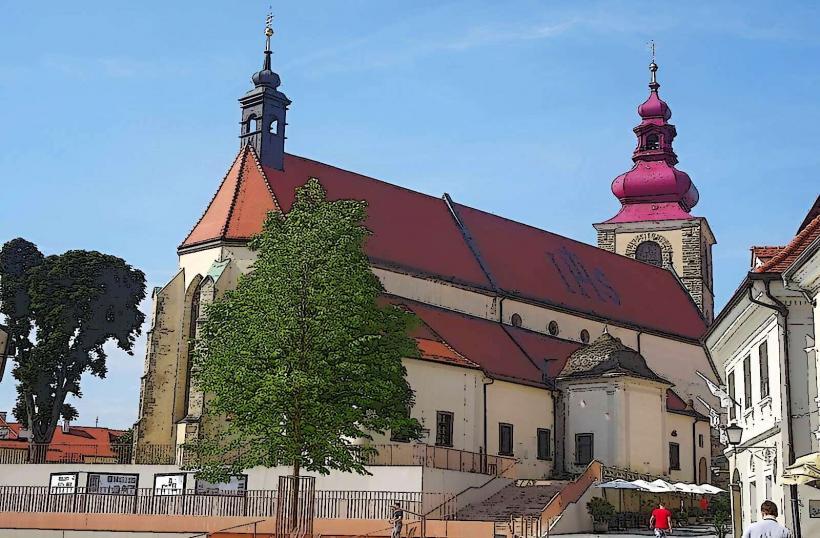
The Dominican Monastery (Dominikanski samostan) is a historic architectural complex located in the western part of Ptuj's old town. It serves as a cultural and congress center and is one of Slovenia’s most significant examples of monastic architecture.
Visual Characteristics
The complex is a blend of Gothic and Baroque styles.
Architecture: The core features a Gothic cloister with vaulted ceilings and stone tracery. The facade was significantly renovated in the 18th century, adding ornate Baroque elements and a distinctive yellow and white color scheme.
Interior: The monastery contains monumental halls, including the former refectory and the monk's sleeping quarters, which feature well-preserved 14th to 17th-century frescoes and intricate stucco work.
Materials: Built from local stone and brick, with extensive use of lime-wash plaster.
Location & Access Logistics
Address: Muzejski trg 1, 2250 Ptuj.
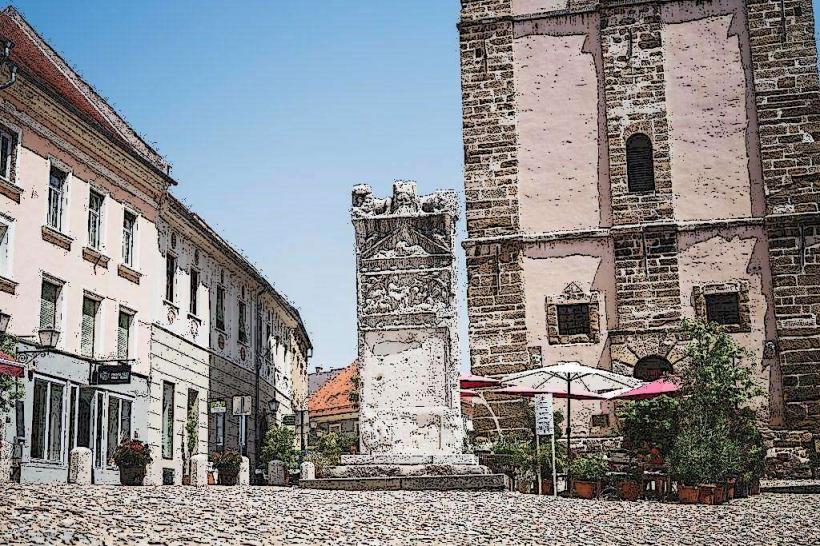
Access: Situated on the western edge of the town center, overlooking the Drava River. It is a 5-minute walk from the central Orpheus Column.
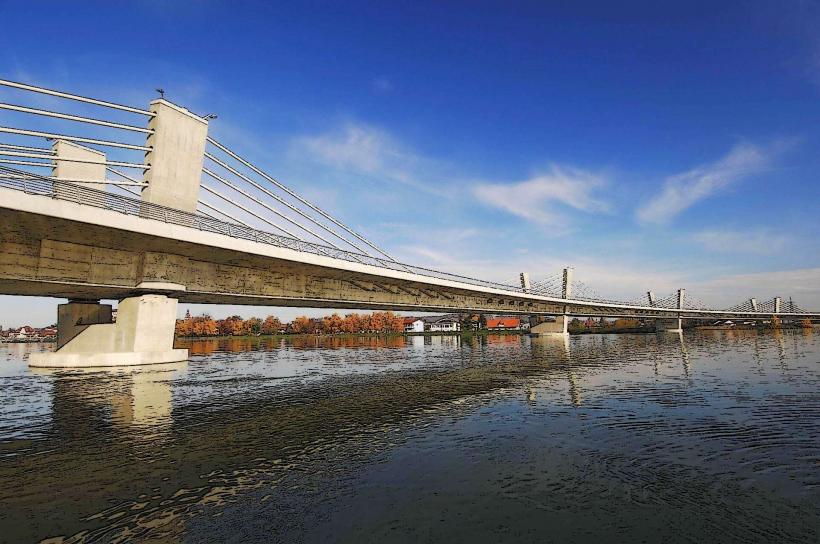
Parking: Limited street parking is available on Muzejski trg. Larger public parking lots are located near the Drava bridge or the Zadružni trg lot (cross the pedestrian bridge).
Transport: Accessible on foot from the Ptuj Railway Station (approx. 1.2km).
Historical Origin
The monastery was founded in 1230 by Matilda, the widow of Frederick III of Ptuj. It served as a spiritual and educational center for the Dominican Order for over 500 years. In 1785, during the reforms of Emperor Joseph II, the monastery was dissolved. The building subsequently served as barracks, a hospital, and a museum before its 2013 renovation into a cultural center.
Key Highlights & Activities
The Cloister: Noted for its Gothic architecture and peace, often used for exhibitions and events.
Archaeological Collection: Parts of the building house lapidary collections including Roman tombstones and medieval stone fragments.
Cultural Events: The "Kongresno kulturni center" hosts concerts, theatrical performances, and conferences, particularly during the summer months.
Infrastructure & Amenities
Facilities: The building is modernized with high-tech audiovisual equipment for events, restrooms, and a cloakroom.
Connectivity: High-speed 5G and Wi-Fi are available throughout the venue.
Accessibility: The 2013 renovation improved accessibility, though some historical levels may require stairs.
Climate: The thick stone walls provide natural cooling, and the main halls are equipped with modern climate control for event purposes.
Best Time to Visit
The monastery is typically open to the public from April to October. It is an ideal refuge during hot summer afternoons due to its cool interior. Evening visits during concerts or the "Days of Poetry and Wine" festival offer a unique atmosphere.
Facts & Legends
The monastery is built on a site that once held a Roman temple dedicated to Mithras, reflecting the city's ancient religious layers. A local legend suggests that the monks hid valuable manuscripts and treasures within the walls during the dissolution of the order, some of which were only rediscovered during 20th-century renovations.
Nearby Landmarks
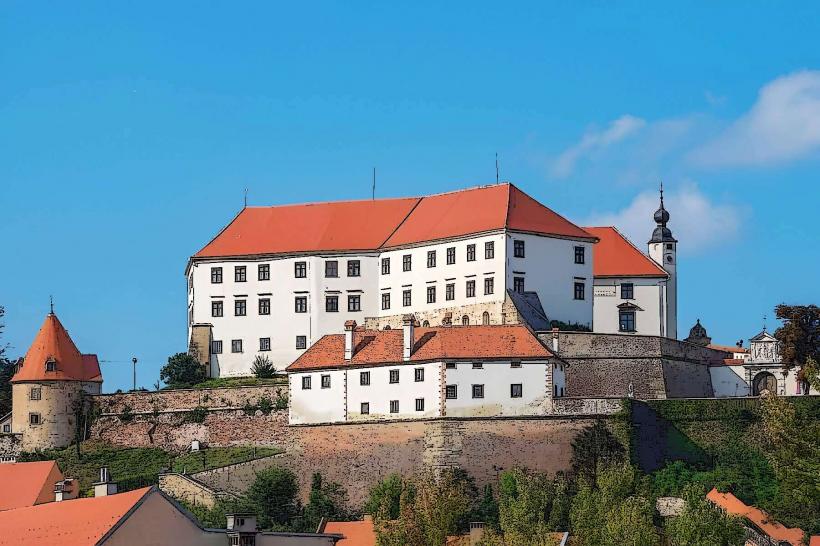
Ptuj Castle – 0.5km East
Mithras Shrine III – 0.3km West
Drava River Embankment – 0.1km South
Minorite Monastery – 0.8km Southeast
Orpheus Column – 0.4km East