Information
City: BovecCountry: Slovenia
Continent: Europe
Bovec, Slovenia, Europe
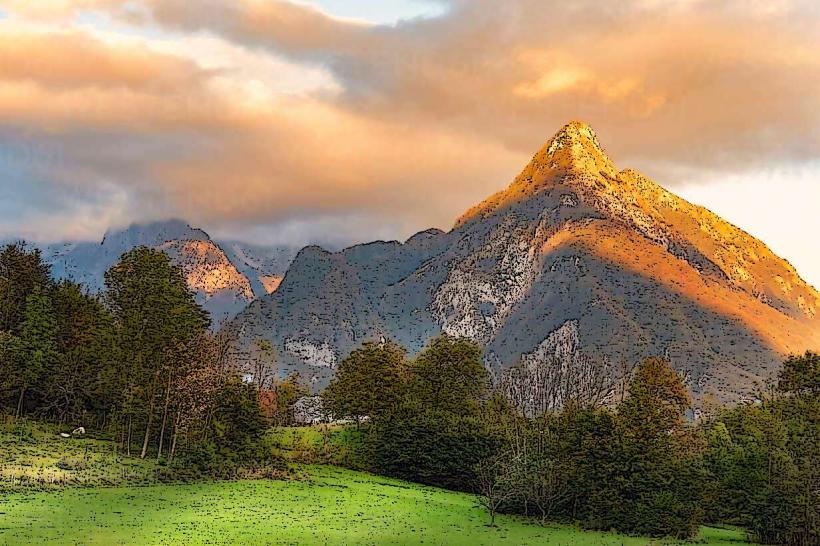
Bovec is the primary administrative and tourism center of the Upper Soča Valley in northwestern Slovenia. It is situated in the high Alps, positioned at the base of Mount Kanin and Mount Rombon, near the borders of Italy and Austria.
Historical Timeline
First documented in 1174, Bovec served as a critical trade link between the Adriatic coast and the interior. It was under the governance of the Republic of Venice and the Habsburg Monarchy before becoming a major front during the Battles of the Isonzo in World War I. The most significant architectural reconstruction occurred following the 1976 and 1998 earthquakes, which damaged over 60% of the town's structures. The primary event shaping its current urban form was the post-war transition from a rural frontier outpost to a specialized outdoor adventure hub.
Demographics & Population
The municipality has a total population of approximately 3,073 residents, while the town core houses roughly 1,600 people. The population is 95% ethnic Slovene. The median age of the population is 44.9 years.
Urban Layout & Key Districts
The town is organized around a central square (Trg) where major commercial activity occurs. The Town Center is the hub for logistics and sports agencies. Čezsoča is a significant residential and campsite district located south of the center across the Soča River. Plužna is a small alpine district to the west, providing access to the Kanin ski area and waterfalls.
Top City Landmarks
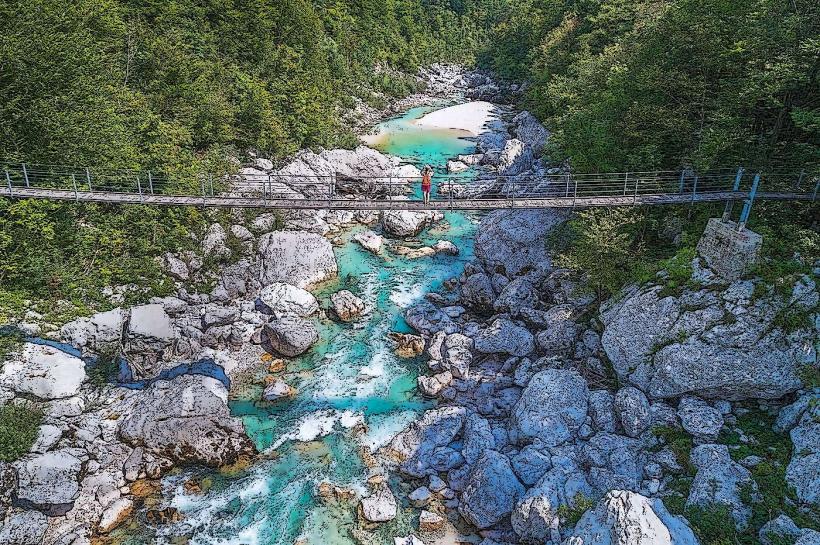
The Soča River (Emerald-colored alpine river)
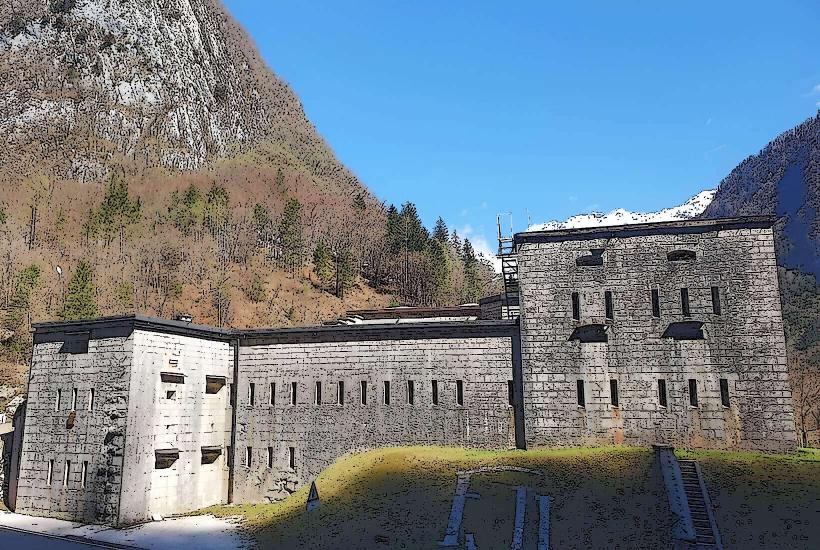
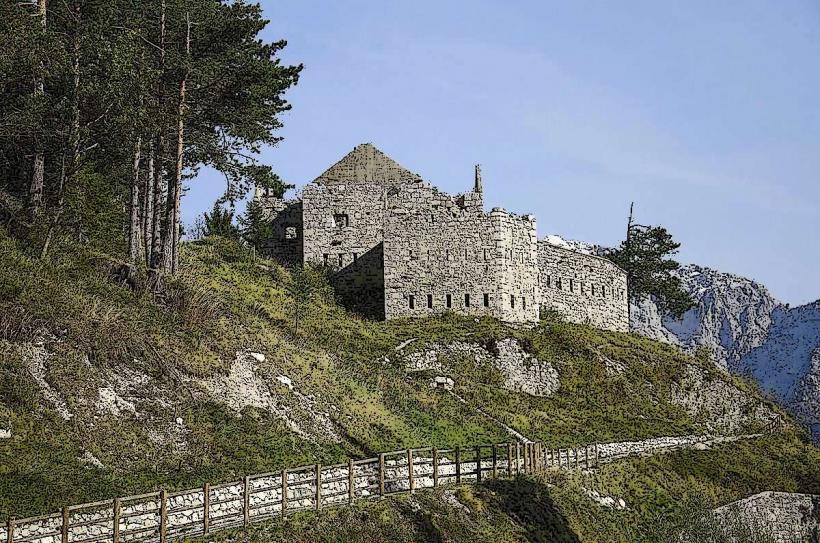
Kluže Fortress (WWI defense fortification)
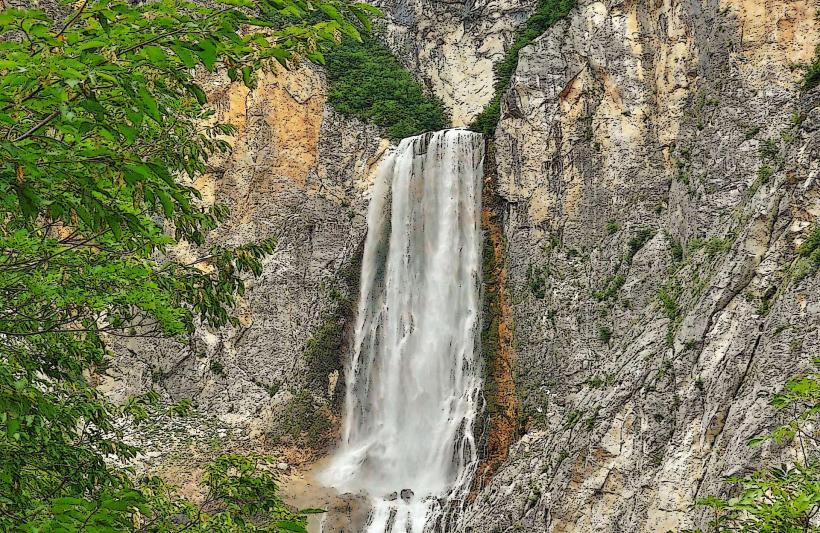
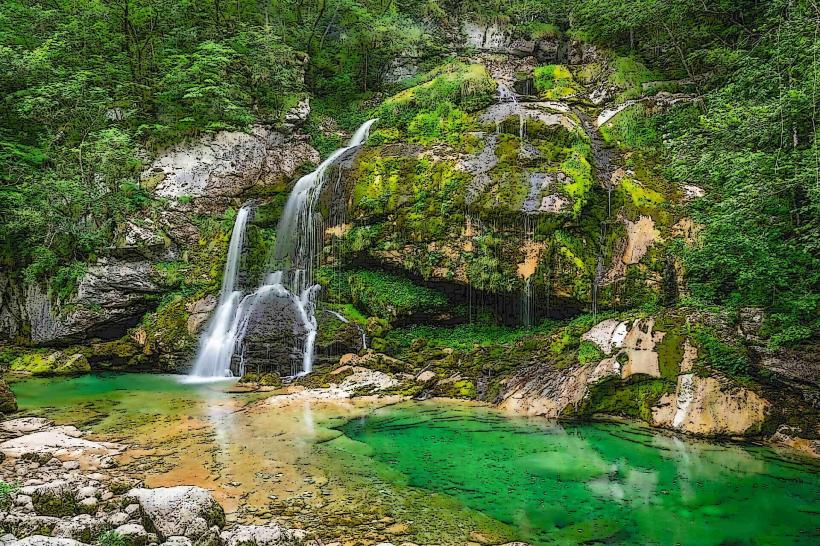
Virje Waterfall (Izvir Glijuna)
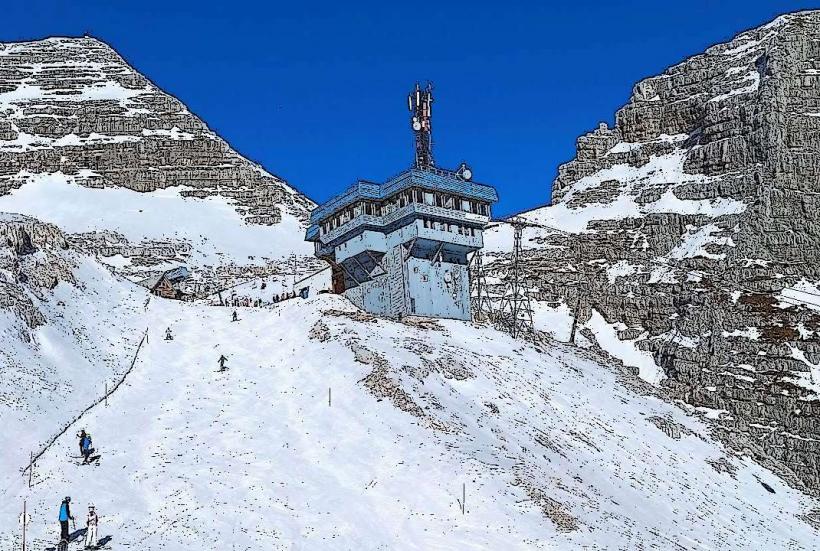
Mount Kanin (Highest ski resort in Slovenia)
Bovec Outdoor Museum (WWI trenches and bunkers)
Transportation Network
Navigation within the town center is entirely pedestrian-based. Internal transit is supplemented by seasonal "Ski & Hike" shuttle buses that connect the center to the Kanin cable car and surrounding trailheads. There is no metro or tram. Ride-sharing apps do not operate; local taxi services are limited and should be pre-booked through sports agencies. Traffic density is low, though regional roads (Vršič Pass and Predel Pass) experience heavy tourist congestion from June to August.
Safety & "Red Zones"
Bovec is exceptionally safe with negligible crime rates. There are no neighborhoods to avoid. The primary safety risk is environmental: rapid weather changes in the mountains and high-velocity currents in the Soča River. Common scams are non-existent, though uncertified adventure guides are a noted concern for unregulated activities.
Digital & Financial Infrastructure
Average internet speed is 80 Mbps. Main mobile carriers are Telekom Slovenije and A1. Card acceptance is high in hotels and sports agencies; however, small mountain huts and local bars often require cash (Euro). ATMs are concentrated around the central square and the post office.
Climate & Air Quality
Temperatures range from -5°C to 5°C in January and 12°C to 24°C in July. The region receives high annual precipitation, with frequent heavy snow in winter. Air quality is pristine due to the absence of heavy industry and the presence of vast alpine forests.
Culture & Social Norms
Tipping is not mandatory; 10% is standard for restaurant service. The standard greeting is a handshake. Alpine conservatism prevails; it is considered disrespectful to enter establishments in wet swimsuits or excessively muddy hiking gear. Smoking is prohibited in all indoor public spaces. Local alcohol culture centers on craft beer and fruit brandies (žganje).
Accommodation Zones
Stay in the Town Center for logistical access to sports agencies, restaurants, and bus links. Stay in Čezsoča for quiet, nature-focused lodging and immediate access to the riverbanks.
Local Cost Index
1 Espresso: €1.50 ($1.64)
1 Standard Lunch: €15.00 ($16.40)
1 Bus Ticket: €1.30 ($1.42)
Nearby Day Trips
Kobarid (WWI Museum): 21 km
Tolmin Gorges: 37 km
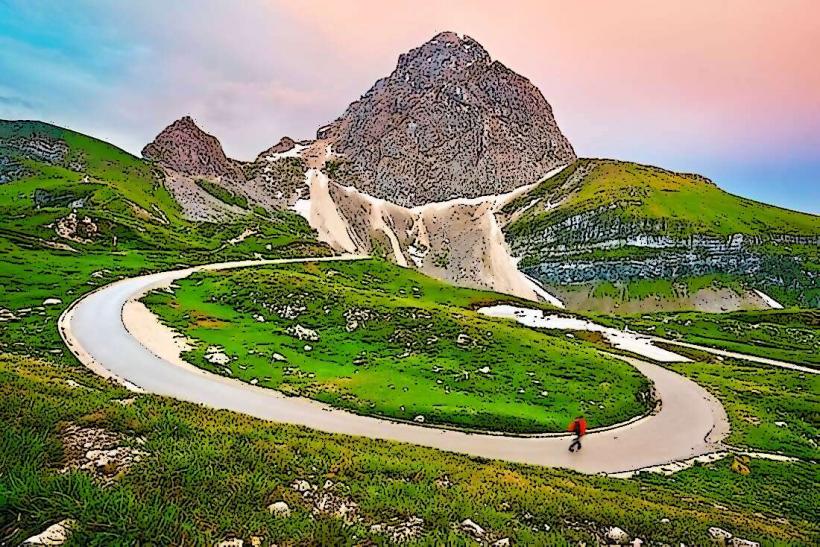
Vršič Pass (Highest mountain pass): 25 km
Tarvisio, Italy: 30 km
Facts & Legends
Local folklore describes the "Zlatorog" (Goldenhorn), a mythical chamois with golden horns that guarded the treasures of Mount Triglav; blood from the Zlatorog is said to have created the Triglav flowers that grow in the high valleys. Additionally, Bovec served as a primary filming location for the movie The Chronicles of Narnia: Prince Caspian, specifically the bridge scene filmed at the Soča River.