Information
Landmark: National Oil MuseumCity: Ploiesti
Country: Romania
Continent: Europe
National Oil Museum, Ploiesti, Romania, Europe
The National Oil Museum (Muzeul Național al Petrolului) in Ploiești is the only museum in Romania dedicated to the history of the oil industry, reflecting the city’s status as a global pioneer in petroleum extraction and refining.
Visual Characteristics
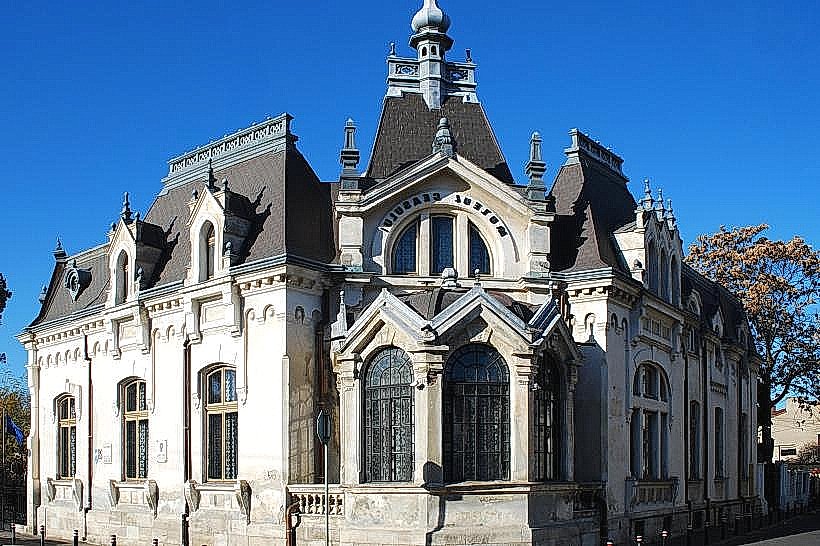
The museum consists of an indoor gallery and a large outdoor exhibition courtyard. The interior features historical documents, maps, and technical scale models. The exterior is dominated by heavy industrial machinery, including wooden and metal drilling rigs, extraction pumps, and massive drill bits. The site maintains an industrial aesthetic, utilizing authentic 19th and 20th-century equipment.
Location & Access Logistics
The museum is located at Strada Doctor Dumitru Bagdazar 8. It is situated approximately 0.5 km southeast of the city center.
Public Transport: Accessible via bus lines 1, 30, and 32, stopping at "Muzica" or "Jurnalist Gabi Dobre."
Parking: Limited street parking is available on Strada Bagdazar and adjacent residential streets.
Historical & Ecological Origin
Inaugurated in 1961, the museum commemorates the fact that Romania was the first country in the world to have an officially recorded oil production (1857) and that Ploiești hosted the world's first industrial oil refinery (Mehedințeanu refinery). The museum is housed in a building designed to preserve the heritage of an industry that defined the ecological and economic landscape of the Prahova region for over 150 years.
Key Highlights & Activities
Outdoor Machinery: Visitors can walk among massive steam-powered drilling rigs and early 20th-century transport vehicles.
First Oil Refinery Model: A detailed scale model of the 1857 Mehedințeanu refinery.
Historical Maps: A collection of 19th-century geological maps showing the first exploited oil fields in the Prahova Valley.
Technical Evolution: Exhibits showcasing the transition from manual "heicui" (hand-dug wells) to modern hydraulic drilling.
Infrastructure & Amenities
The museum requires an entry fee. Guided tours are available, providing technical context for the machinery. The outdoor area is accessible but can be uneven due to the nature of the displays. 5G cellular coverage is excellent. Public restrooms are available inside the main building.
Best Time to Visit
The museum is open Tuesday through Sunday (09:00–17:00) and closed on Mondays. The outdoor section is best visited during spring or autumn to avoid the summer heat, as the courtyard offers limited shade.
Facts & Legends
Ploiești was nicknamed "The Capital of Black Gold." During World War II, the city and its refineries were high-priority targets for Allied bombing (Operation Tidal Wave) because they supplied a significant portion of the Axis fuel. Local lore often speaks of the "oil barons" of the early 1900s who built the city's most opulent villas using their petroleum fortunes.
Nearby Landmarks
Clock Museum: 0.3 km South
Art Museum of Ploiești: 0.6 km Northwest
Saint John the Baptist Cathedral: 0.7 km Northwest
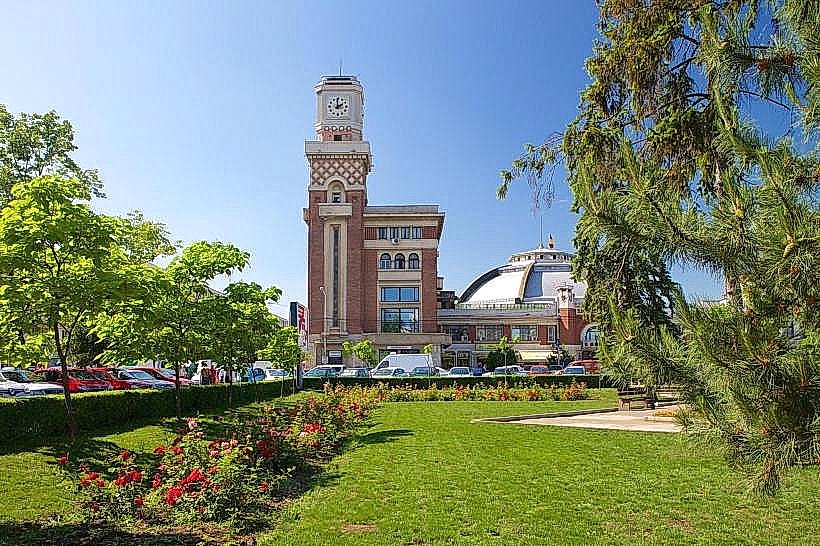
Halele Centrale: 0.8 km North