Information
Landmark: Neum WaterfallCity: Neum
Country: Bosnia and Herzegovina
Continent: Europe
Neum Waterfall, Neum, Bosnia and Herzegovina, Europe
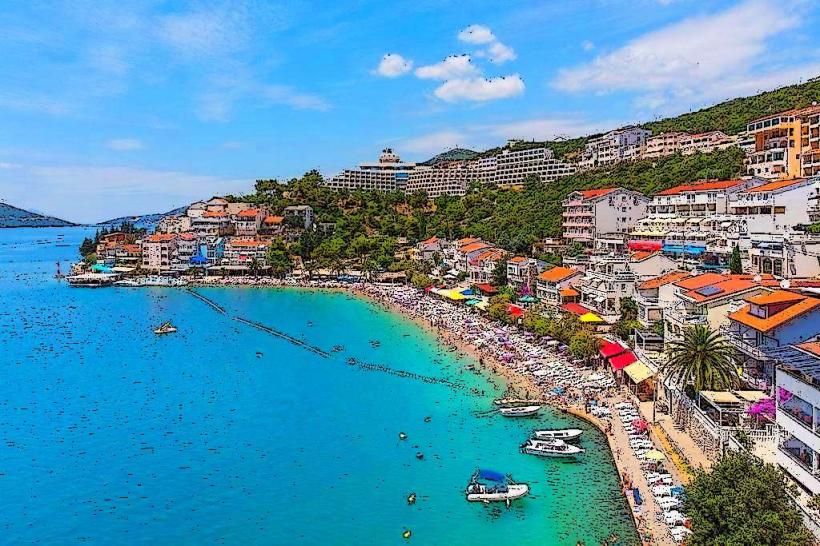
Neum is a coastal municipality in Bosnia and Herzegovina that does not possess any natural waterfalls within its territory. The geographic term "Neum Waterfall" is exclusively used by tourism operators to describe the Kravica Waterfall, which is located 50 kilometers north of Neum and serves as the primary inland excursion for visitors staying in the town.
Visual Characteristics
The site consists of a massive tufa cascade formed by the Trebižat River, featuring a semi-circular water wall approximately 120 meters wide. The falls drop 25 meters into a clear, emerald-colored basin surrounded by dense Mediterranean vegetation, including poplars and chaste trees. The rock formations are comprised of porous travertine limestone, often characterized by green moss and thick layers of calcium carbonate deposits.
Location & Access Logistics
The falls are located 50 kilometers north of Neum. Access is via the M17.3 road towards Stolac or the R425a road through Metković, with a total driving time of 60 minutes. From the main entrance gate and parking lot, visitors must descend a 500-meter paved path or utilize a seasonal tourist shuttle train to reach the base. Organized day-trip buses depart Neum's main hotels daily during the summer months.
Historical & Ecological Origin
The Kravica site is a protected natural monument formed through the geological process of travertine deposition over millions of years. This biochemical process occurs as the Trebižat River precipitates calcium carbonate onto aquatic plants, creating natural dams. Historically, the force of the water was harnessed by multiple stone watermills, several of which remain visible as ruins near the falls.
Key Highlights & Activities
Swimming is permitted in the natural lake at the base of the falls, where the water temperature remains a constant 15°C. Kayaking and canoe tours operate along the Trebižat River starting from the base of the cascade. A wooden pedestrian bridge spans the river below the falls, providing access to viewing platforms on the opposite bank.
Infrastructure & Amenities
The site features several riverside restaurants and bars providing shaded seating and local cuisine. Restrooms and basic changing cabins are available near the swimming area. 4G/5G cellular signal is reliable at the upper parking level but frequently drops within the canyon. A centralized ticket office at the entrance accepts both cash and credit cards for the mandatory entrance fee.
Best Time to Visit
Spring (April–May) offers the highest water volume and most powerful cascades due to snowmelt and rainfall. Summer (July–August) is the optimal period for swimming but experiences the highest crowd density between 11:00 and 15:00. For photography, early morning provides the best light and frequently features a mist rising from the basin.
Facts & Legends
A local legend suggests that the name "Kravica" (Little Cow) originated from a story where a calf fell into the river upstream and was miraculously found unharmed at the bottom of the falls. A verified tip for visitors is that the entrance ticket often includes access to the smaller Koćuša waterfall further upstream, which is significantly less crowded.
Nearby Landmarks
Koćuša Waterfall (12km Northwest)
Humac Franciscan Monastery (8km West)
Mogorjelo Roman Villa (15km East)
St. James Church, Međugorje (14km Northeast)
Old Town Počitelj (18km East)