Information
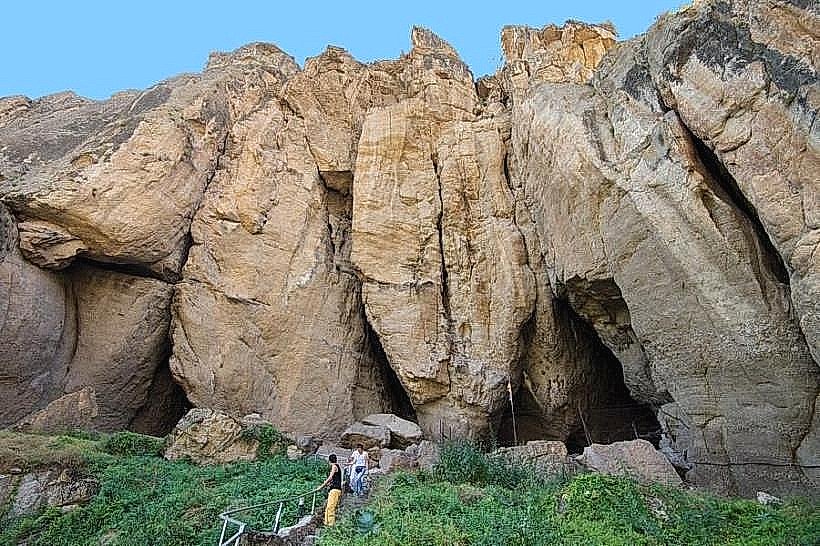
Landmark: Noravank MonasteryCity: Yeghegnadzor
Country: Armenia
Continent: Asia
Noravank Monastery, Yeghegnadzor, Armenia, Asia
Jay Peak Resort is a ski resort and waterpark located in Jay, Vermont, near the Canadian border.
Visual Characteristics
The resort features a prominent ski mountain with a summit elevation of 3,904 feet (1,190 meters). The ski slopes are characterized by dense evergreen and deciduous forests. The Tram Haus Lodge is a multi-story structure constructed with wood and stone, featuring a pitched roof design. The indoor waterpark, Pump House, is a large, modern building with a steel frame and translucent roofing panels.
Location & Access Logistics
Jay Peak Resort is situated approximately 15 miles (24 km) west of Newport, Vermont. Access is via Vermont Route 242. From Newport, take I-91 North to Exit 29, then VT-105 West to VT-242 West. The resort is located at the end of VT-242. Ample parking is available in designated lots near the main base lodge and Tram Haus Lodge. Public transport options are limited; the nearest Amtrak station is in Montpelier, approximately 70 miles (113 km) south, requiring onward travel by car or taxi.
Historical & Ecological Origin
The resort officially opened for skiing in 1957. The mountain itself is part of the Green Mountains, a range formed by ancient geological processes. The area is known for its significant snowfall, attributed to its proximity to the Canadian border and prevailing weather patterns.
Key Highlights & Activities
Winter activities include downhill skiing and snowboarding across 385 acres of skiable terrain, with 78 trails and 365 acres of off-piste terrain. The resort operates a tram that transports skiers to the summit. Summer activities include hiking, mountain biking, and access to the year-round indoor waterpark, Pump House, which features waterslides and a wave pool. Golf is available at the nearby Montgomery Country Club.
Infrastructure & Amenities
The resort offers multiple dining facilities, including restaurants and cafes. Restrooms are available in all lodge buildings. Shaded areas are present on some outdoor patios and within the Pump House waterpark. Cell phone signal (4G/5G) is generally available throughout the resort area, though it may vary in remote trail sections.
Best Time to Visit
For skiing and snowboarding, the prime season runs from December through April, with peak snowfall typically occurring in February. For waterpark access and summer activities, June through September offers the most favorable weather. The best time of day for photography of the mountain landscape is typically during the morning or late afternoon when the sun angle provides softer light.
Facts & Legends
Jay Peak is renowned for receiving more snowfall than any other ski resort in Eastern North America, often exceeding 350 inches annually. A local legend suggests that the mountain's consistent heavy snowfall is due to a "snow ghost" that resides at its summit, though this is a folkloric explanation for the microclimate.
Nearby Landmarks
- Lake Memphremagog (15km Northeast)
- Missisquoi National Wildlife Refuge (30km West)
- Burke Mountain Ski Area (60km Southeast)
- Mont Orford National Park, Quebec, Canada (40km Northwest)