Information
Country: ArmeniaContinent: Asia
Armenia, Asia
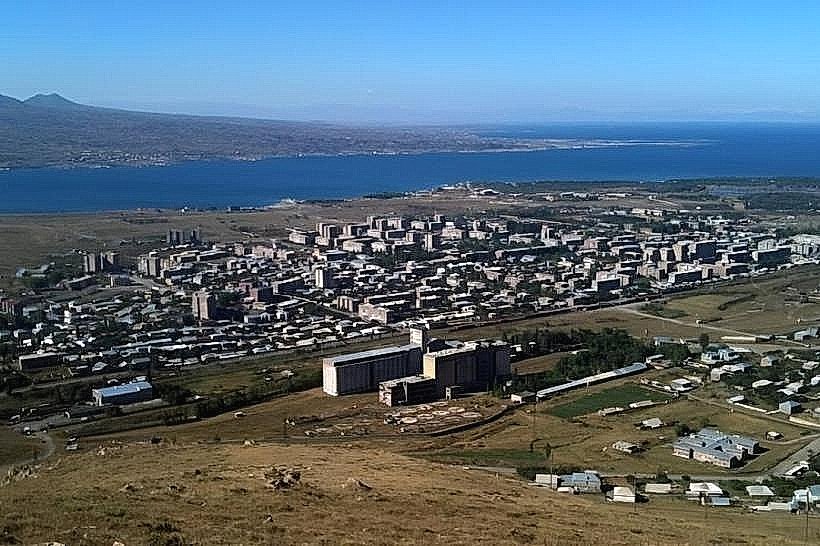
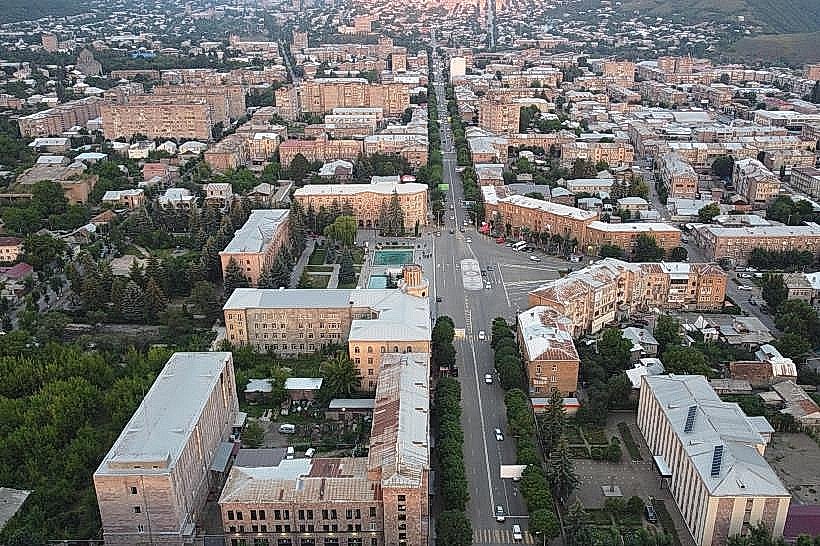
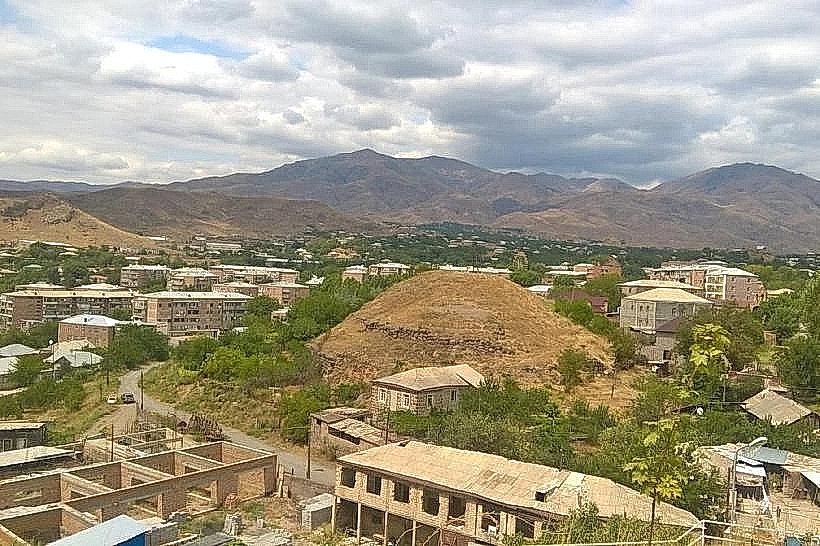
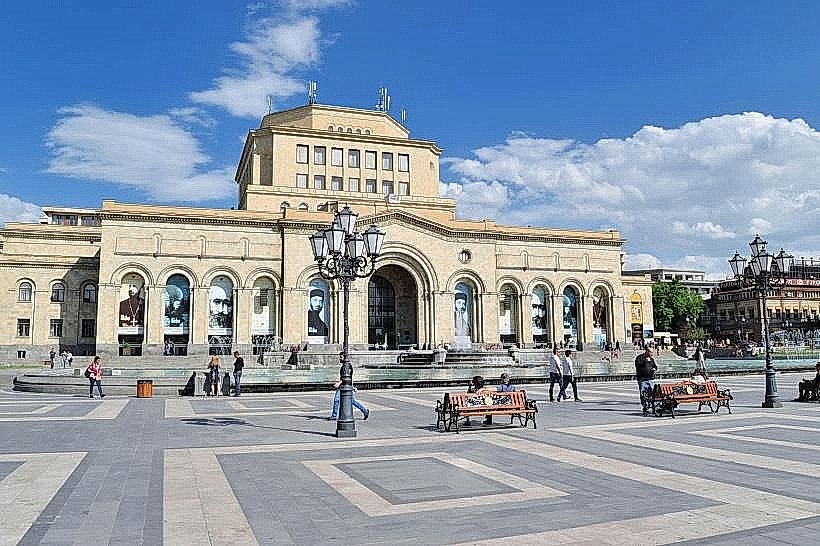
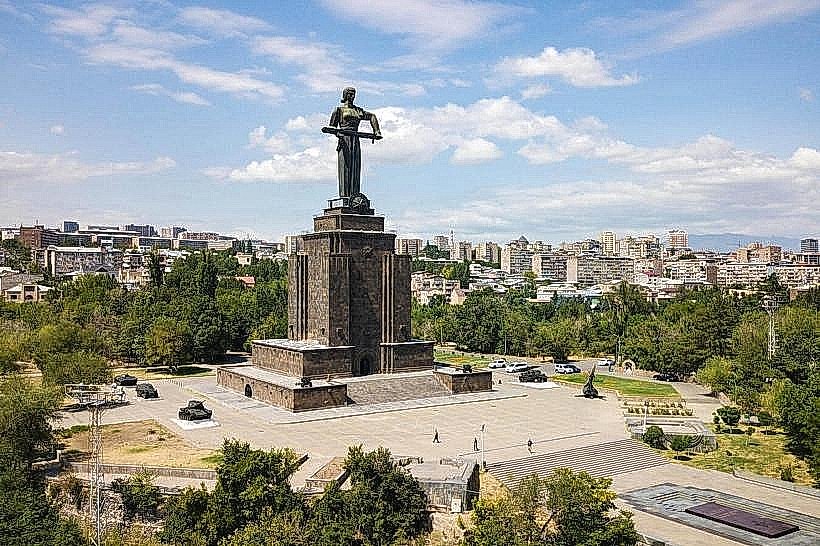
Armenia is a landlocked nation located in the South Caucasus, bordered by Turkey to the west, Georgia to the north, Azerbaijan to the east, and Iran to the south. It is defined by its mountainous terrain within the Armenian Highlands and the presence of Lake Sevan, with Yerevan serving as the capital city.
History & Culture
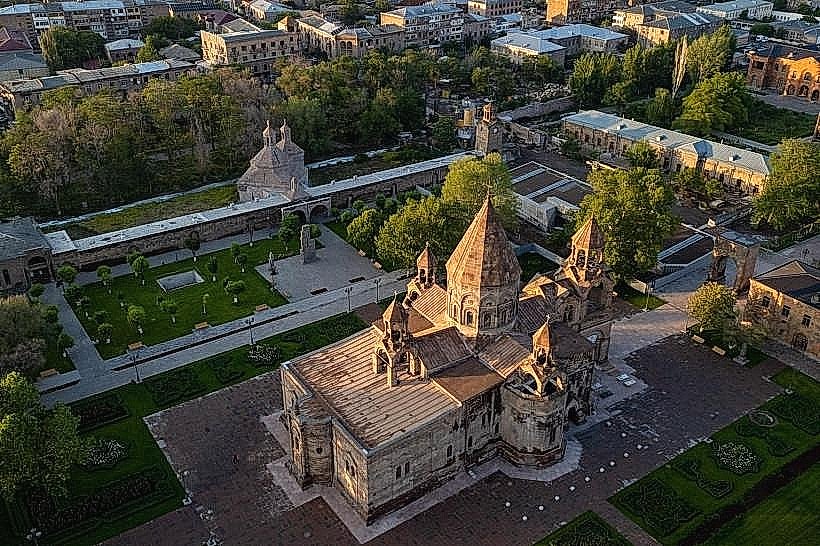
Armenia declared independence from the Soviet Union on September 21, 1991. Significant political eras include the Bagratid Kingdom, the period of Ottoman and Persian rule, and the Soviet era (1920–1991). The primary religious affiliation is the Armenian Apostolic Church (94%); Armenia was the first nation to adopt Christianity as a state religion in 301 AD. Independence Day (September 21) is the major national holiday. Core social etiquette emphasizes hospitality (hyurasirutyun), respect for elders, and a culture of frequent toasting during meals.
Language & Communication
The official language is Armenian. English proficiency is Medium in Yerevan and among the younger demographic, but Low in rural provinces. Russian is the most common second language, spoken or understood by approximately 70% of the population.
Population & Economy
The population is approximately 2.97 million, with 64% residing in urban areas. Top export commodities are copper ore, gold, and tobacco products. GDP per capita is approximately $8,300 USD. The economy is driven by mining, agriculture, and a rapidly expanding information technology sector.
Visa & Entry Policy
Citizens of the US, UK, and EU member states are visa-exempt for stays up to 180 days per year. Most other nationalities can apply for an E-Visa (valid for 21 or 120 days) or obtain a Visa on Arrival at Zvartnots International Airport. Entry is generally straightforward, though travelers with stamps from Azerbaijan may face questioning at the border.
Currency & Payment Systems
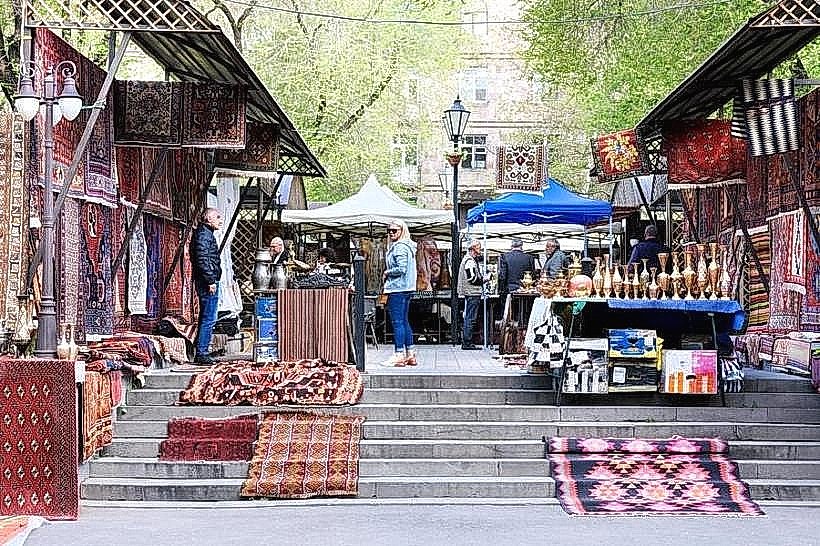
The currency is the Armenian Dram (AMD). Cash is the primary payment method in rural areas and local markets. Tap-to-pay and card transactions are universal in Yerevan and major retail hubs. ATMs are widely available in cities, though they are less frequent in remote mountainous regions.
National Transport Grid
Movement between cities is primarily facilitated by "marshrutkas" (minibuses) and private taxis; ride-hailing apps like Yandex Go and GG are the standard for inter-city transfers. A limited rail network connects Yerevan to Gyumri and seasonally to Batumi (Georgia). There are no scheduled domestic commercial flights.
Digital Infrastructure
The main mobile network providers are Viva-MTS, Ucom, and Team Telecom Armenia. 4G coverage is extensive across the country; 5G deployment is active and reaches over 90% of the urban population as of 2025.
Climate & Seasonality
Armenia has a highland continental climate. The country features diverse microclimates: the north is temperate and forested, while the Ararat Valley is semi-arid. The wettest month is May; the dry season lasts from June through September.
Health & Safety
There are no mandatory vaccines for entry. High-altitude zones like Mount Aragats pose a risk of altitude sickness. Tap water is generally considered safe in Yerevan due to mountain spring sources, but bottled water is recommended in rural areas. The emergency number for all services (Police/Ambulance/Fire) is 911.
Top 3 Major Regions & Cities
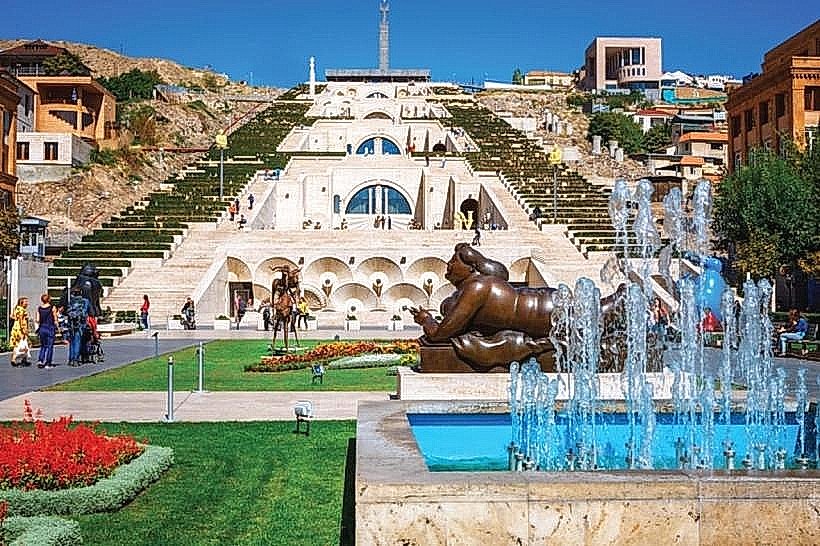
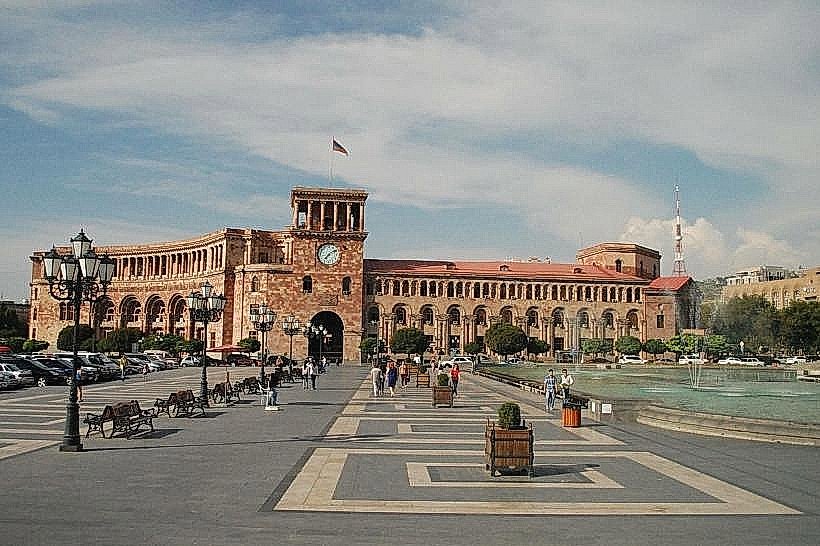
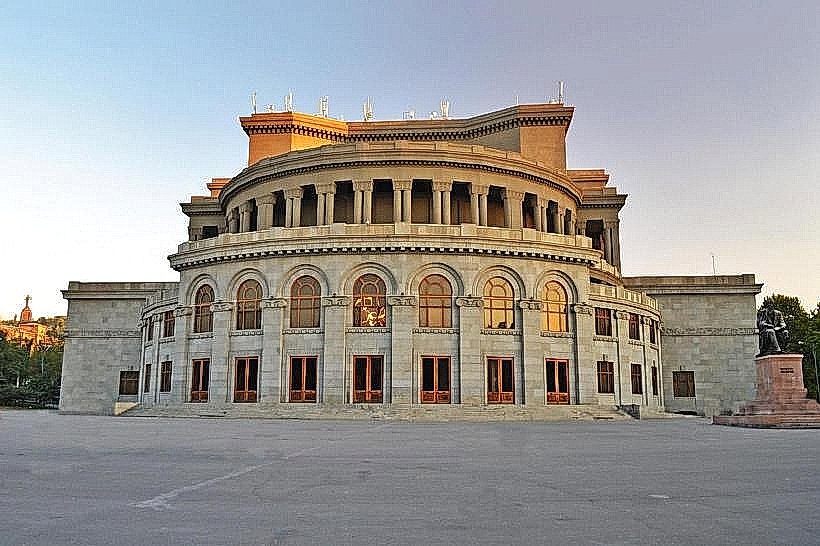
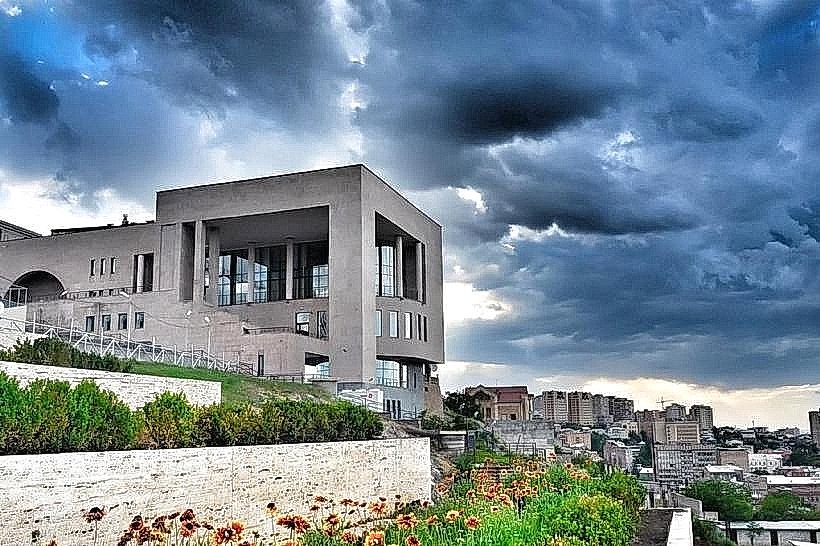
Ararat Valley & Central Highlands: Hub: Yerevan.
Shirak Province (Northwest): Hub: Gyumri.
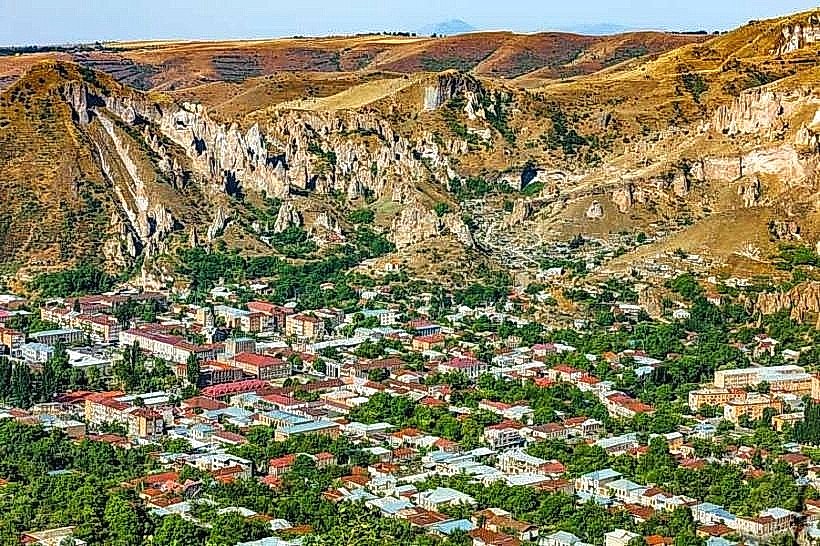
Syunik Province (South): Hub: Goris.
Local Cost Index
1L Water: 250 AMD ($0.65 USD)
1 Domestic Beer (0.5L): 600 AMD ($1.55 USD)
1 Sim Card (10GB Data Plan): 3,000 AMD ($7.75 USD)
Facts & Legends
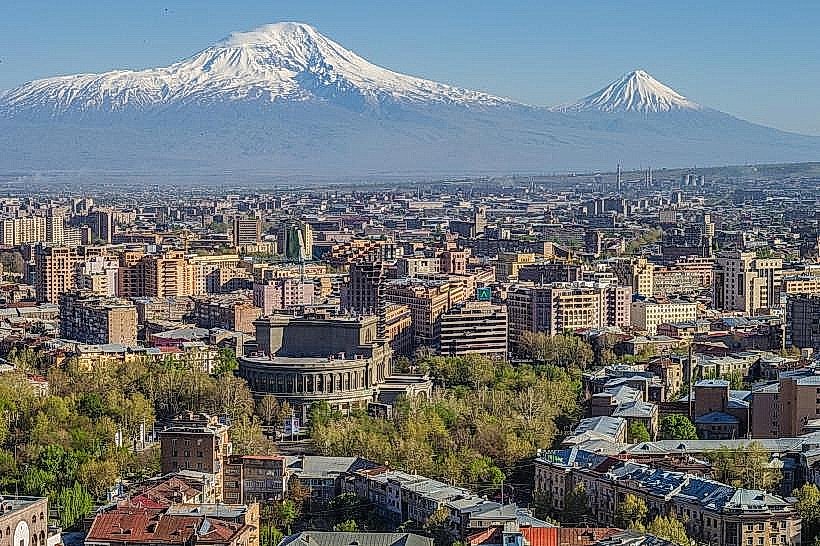
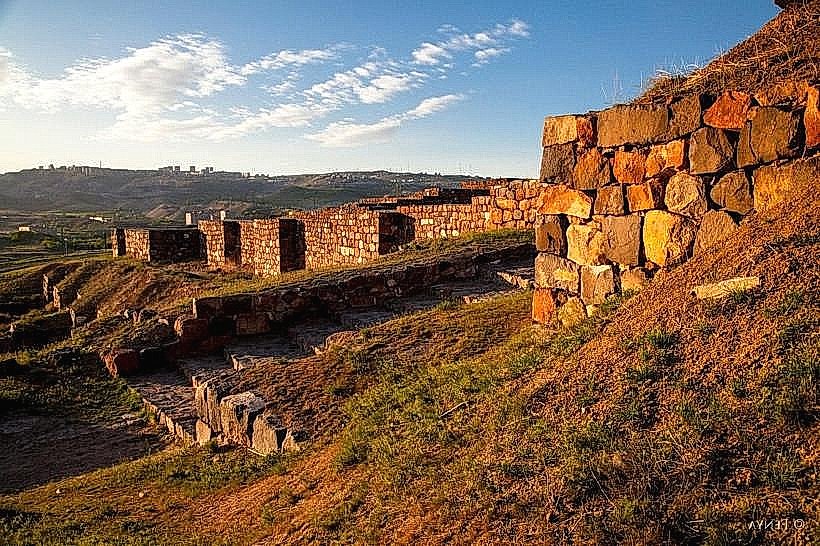
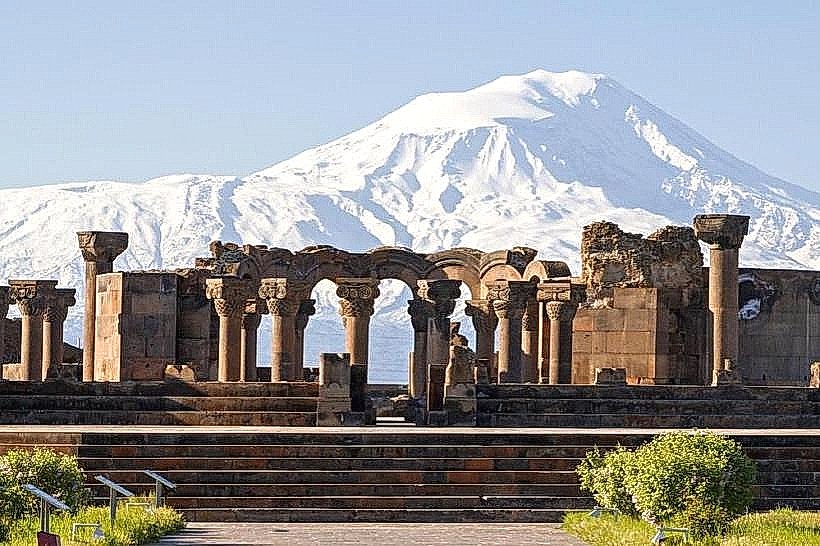
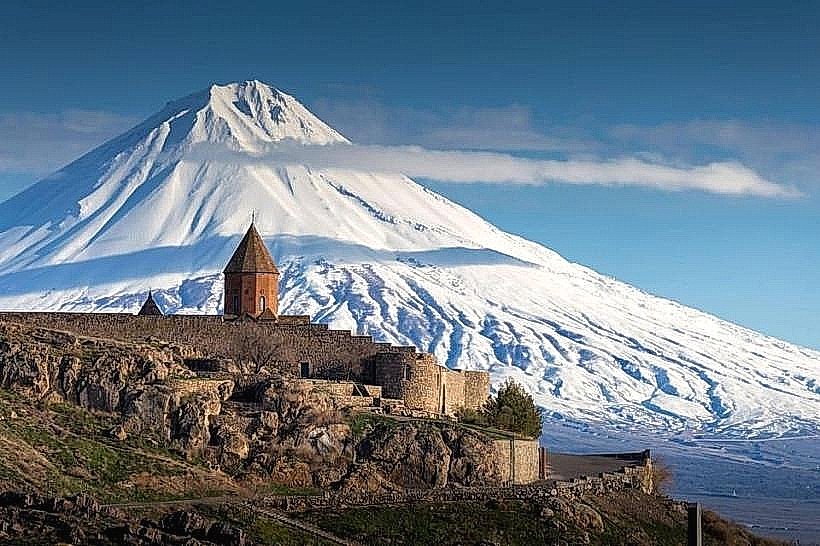
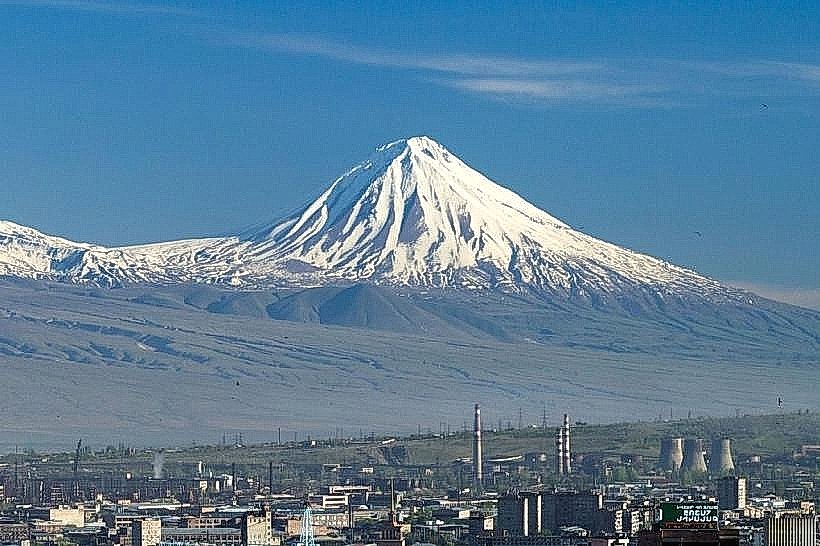
According to local lore and the biblical account, Mount Ararat (historically part of the Armenian Highlands) was the resting place of Noah's Ark; the "Relic of the Holy Lantern" is said to have guided the path to the mountains. Additionally, Yerevan's founding in 782 BC as the fortress of Erebuni makes it 29 years older than Rome.