Information
City: SevanCountry: Armenia
Continent: Asia
Sevan, Armenia, Asia
Sevan serves as a critical tourism hub and a vital center for the Armenian fishing and energy industries. It is situated on the northwestern shores of Lake Sevan in the Gegharkunik Province, approximately 65 kilometers northeast of Yerevan.
Historical Timeline
Sevan was founded in 1842 as the Russian village of Yelenovka by exiled members of the Molokan sect. The town transitioned from a minor agricultural settlement to an industrial and resort center following the 1930s Soviet hydroelectric projects, which significantly lowered the lake's water level and exposed new land. The most significant architectural reconstruction occurred in the late 1960s with the development of the Sevan peninsula's modernist infrastructure. The primary event shaping the current urban form was the Soviet-era industrialization that transformed it from a rural village into a planned socialist town.
Demographics & Population
The population within city limits is approximately 19,000. The primary demographics are Armenian (98.5%), with small remnants of Russian and Molokan communities. The median age is approximately 36 years.
Urban Layout & Key Districts
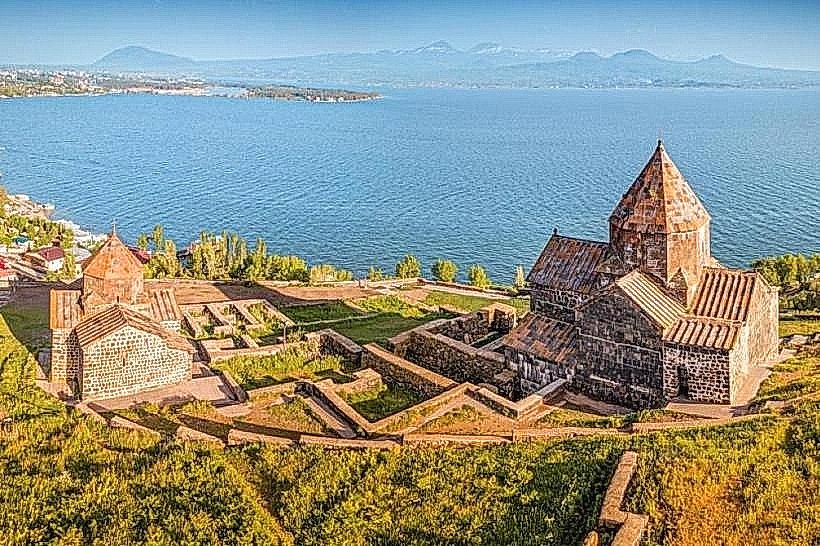
The city is organized along a main axis perpendicular to the lake shore. The most important districts are the Town Center (Northwest), containing administrative and residential blocks, and the Sevan Peninsula (East), the primary historical and tourist zone located 3 kilometers from the town core.
Top City Landmarks
Sevanavank Monastery (9th-century complex)
Writers' House (Soviet modernist landmark)
Sevan Botanical Garden
Surb Hakob Church
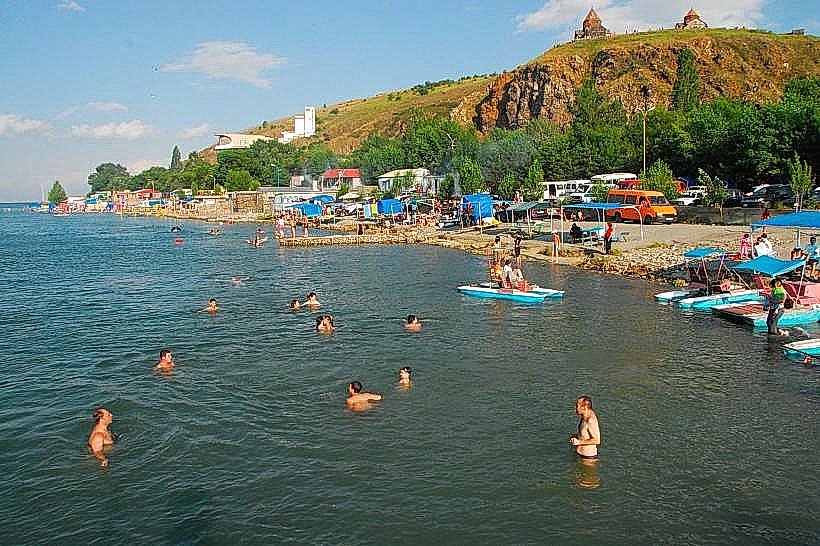
Boating Pier and Waterfront Promenade
Transportation Network
Movement within Sevan is primarily conducted via private vehicles and "Marshrutkas" (minibuses). There is no metro or tram system. Regional transit to Yerevan is serviced by high-frequency minibuses departing from the central station. Ride-sharing is available via the Yandex Go and GG apps, which are the dominant platforms in Armenia. Taxis are ubiquitous, generally white or silver, and often unmarked; it is standard practice to negotiate the fare or ensure the app meter is active. Traffic density is low within the town but increases significantly on the M4 highway during summer weekends.
Safety & "Red Zones"
The general safety level is high. There are no designated "red zones," though visitors should exercise caution on the peninsula at night due to poor lighting. Common scams involve overcharging for lakeside "cabana" rentals or jet ski services; always confirm prices in advance.
Digital & Financial Infrastructure
Average internet speed is 50–100 Mbps via Ucom or Team Telecom. Main mobile carriers are Viva-MTS, Team, and Ucom. Card acceptance is high in hotels and major restaurants, but cash (Armenian Dram) is required for local markets and small guesthouses. ATMs are widely available in the town center near the main square.
Climate & Air Quality
Temperatures range from -10°C in January to 22°C in July. The city is known for its "Sevan wind" and high-altitude UV intensity. Air quality is excellent due to the lack of heavy industry and the presence of the lake, though winter months see localized woodsmoke.
Culture & Social Norms
Tipping is expected at 10% in restaurants (often included as a service charge). Handshakes are the standard greeting. Dress code is casual, though modest clothing is required when entering Sevanavank Monastery (women should cover their heads). Public smoking is common but restricted in certain indoor venues; alcohol is widely available and culturally accepted.
Accommodation Zones
Stay on the Sevan Peninsula for immediate access to the monastery and lake views.
Stay in the Town Center for cheaper logistical access to supermarkets and regional transport.
Local Cost Index
1 Espresso: 800 AMD ($2.00)
1 Standard Lunch: 4,000 AMD ($10.00)
1 Marshrutka Ticket: 100 AMD ($0.25)
Nearby Day Trips
Dilijan National Park (25 km north)
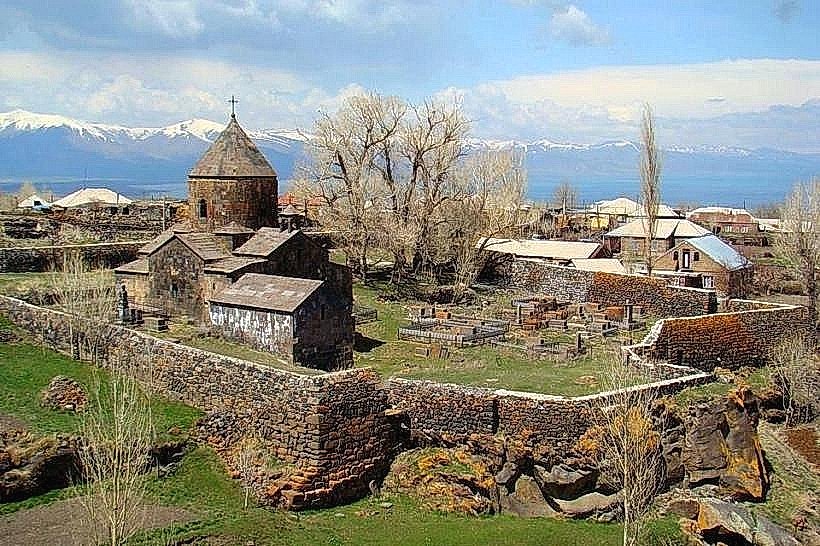
Noratus Cemetery (khachkar field) (40 km south)
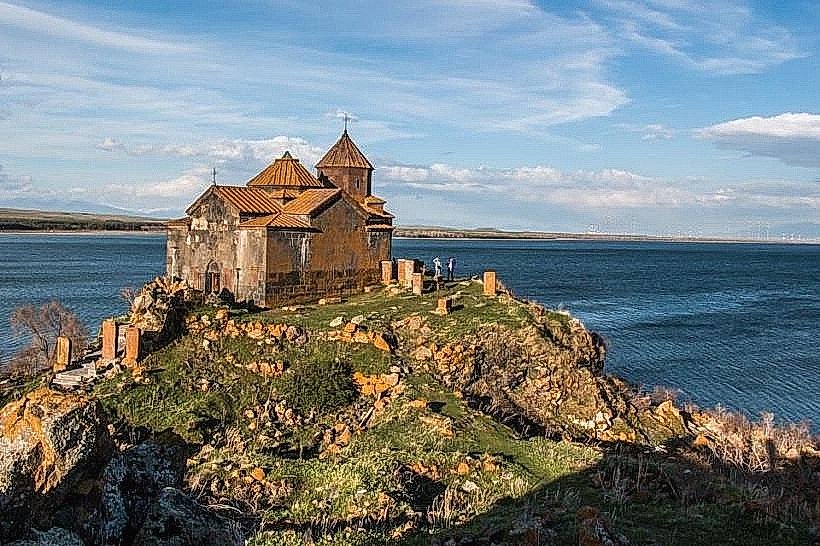
Hayravank Monastery (22 km south)
Tsaghkadzor Ski Resort (25 km west)
Facts & Legends
The Sevanavank Monastery was historically used as a place of exile for monks who had sinned; the strict regime and lack of women or wine led to its reputation as a "punishment" post. Local legend claims the lake was formed when a woman forgot to replace a lid on a magical spring, causing the water to overflow and drown the valley, leaving only the "island" (now the peninsula) above water.