Information
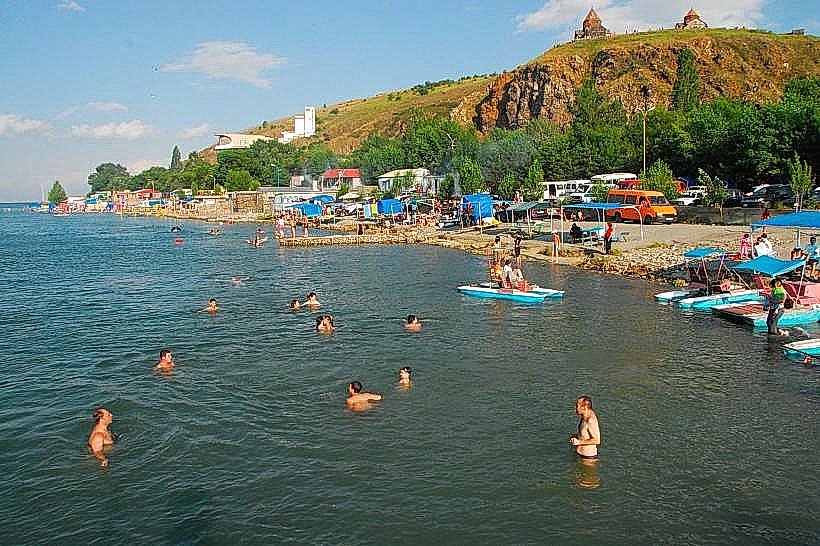
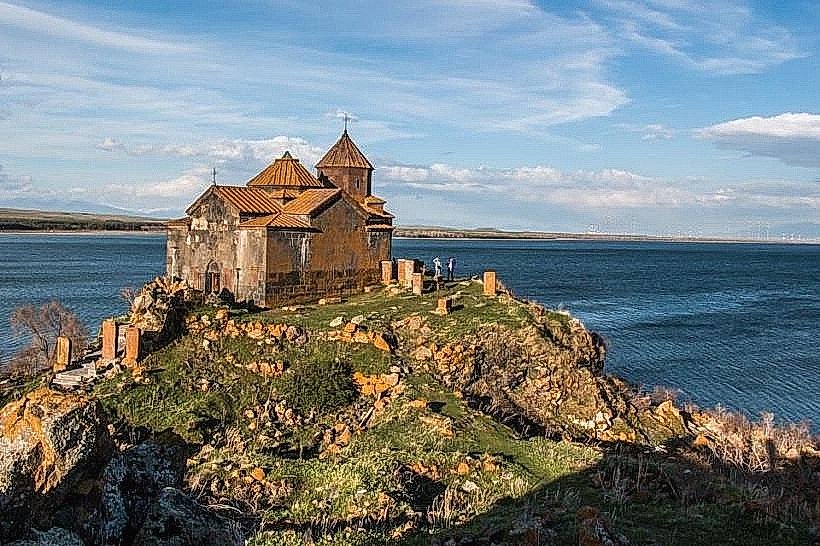
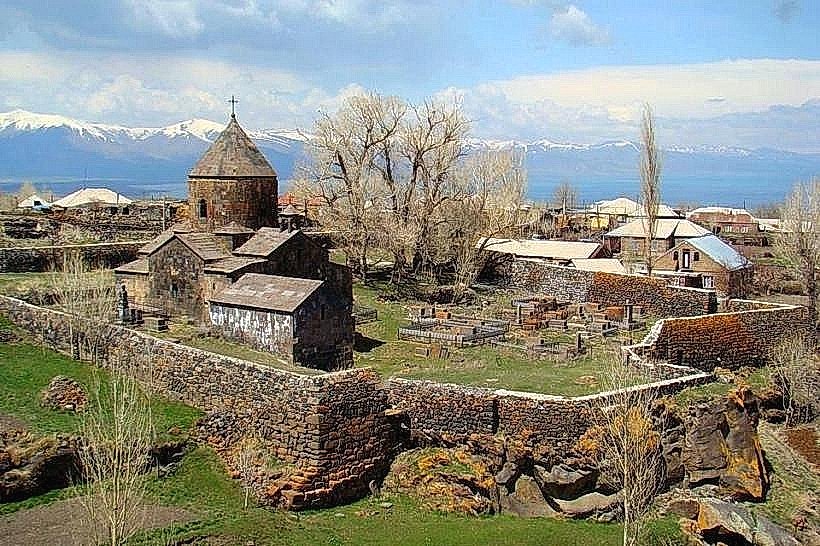
Landmark: Sevanavank MonasteryCity: Sevan
Country: Armenia
Continent: Asia
Sevanavank Monastery, Sevan, Armenia, Asia
Veterans Memorial Park is a public green space located in St. Johnsbury, Vermont, USA.
Visual Characteristics
The park features a central granite monument with bronze plaques. Surrounding the monument are mature deciduous trees providing canopy cover. The ground is primarily grass with paved walkways. A small pond is situated on the western side of the park.
Location & Access Logistics
The park is situated at 100 Main Street, St. Johnsbury, VT 05819, approximately 0.3km south of the downtown core. Vehicle access is via Main Street. Public parking is available in a designated lot adjacent to the park entrance on the east side. The St. Johnsbury Transit bus route #2 stops at the Main Street and Railroad Street intersection, 0.1km from the park entrance.
Historical & Ecological Origin
The park was established in 1955 to honor veterans of all U.S. conflicts. The central monument was dedicated in 1958. The land was formerly part of the St. Johnsbury Company property before being deeded to the town for public use. The area is part of the Connecticut River watershed, with the pond acting as a small retention basin.
Key Highlights & Activities
Visitors can observe the granite monument and read the inscribed names. Walking the paved perimeter path is possible. Seating is available on park benches. The pond area is accessible for observation.
Infrastructure & Amenities
Restrooms are located in a small building near the parking lot. Several picnic tables are situated under tree cover. Cell phone signal (4G/5G) is generally available within the park. No on-site food vendors are present; nearest options are in the downtown area.
Best Time to Visit
For photography of the monument, early morning or late afternoon light provides optimal illumination. The months of May through October offer the most pleasant weather for outdoor activities. The pond is at its fullest during spring thaw and after periods of significant rainfall.
Facts & Legends
A local anecdote suggests that during the park's construction, a time capsule was buried near the base of the main monument, though its exact location and contents are not officially documented.
Nearby Landmarks
- St. Johnsbury Athenaeum (0.2km North)
- Fairbanks Museum & Planetarium (0.4km Northwest)
- St. Johnsbury History & Heritage Center (0.3km North)
- Catamount Arts (0.3km North)