Information
Landmark: Armenian History MuseumCity: Yerevan
Country: Armenia
Continent: Asia
Armenian History Museum, Yerevan, Armenia, Asia
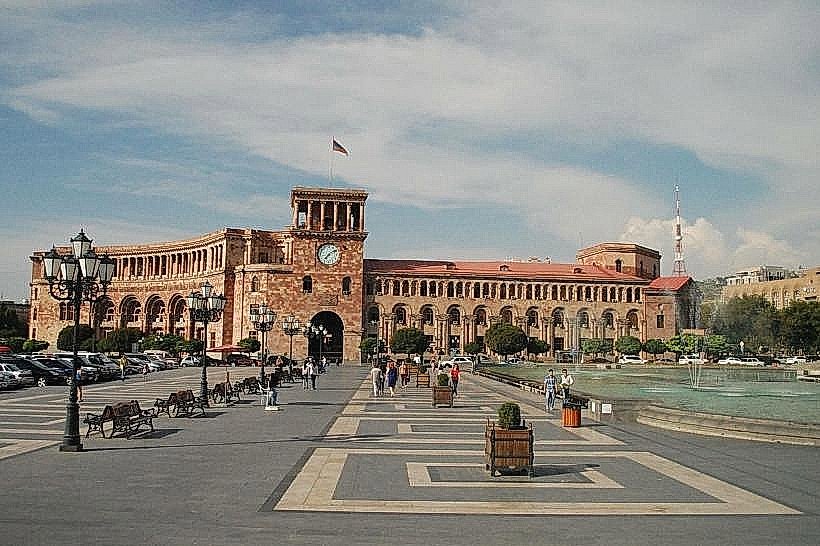
The Armenian History Museum is a national museum located in the Republic Square of Yerevan, Armenia.
Visual Characteristics
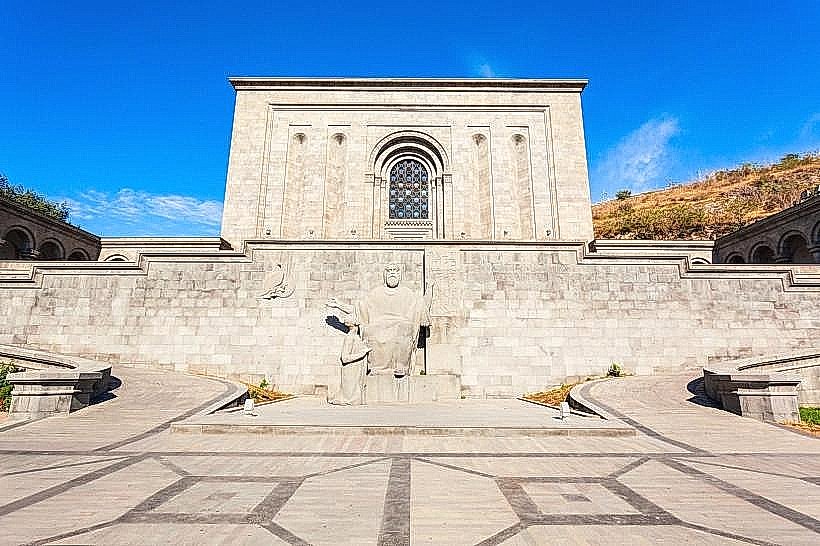
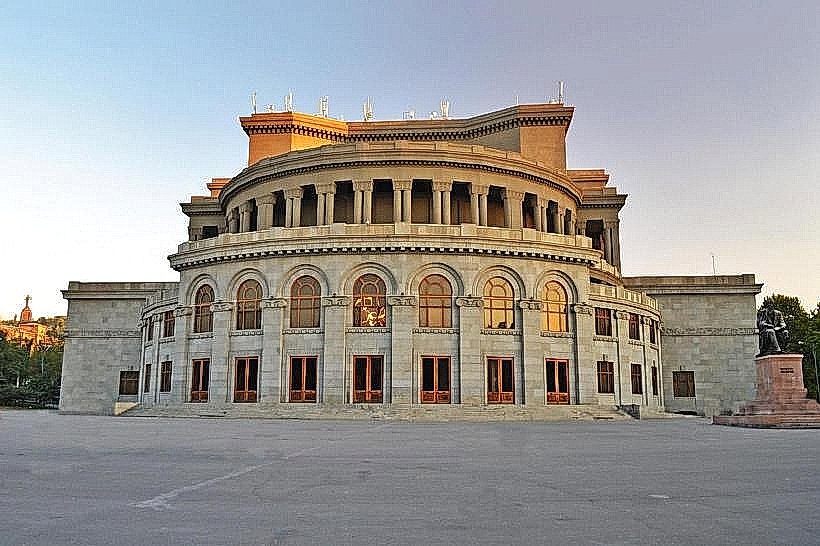
The museum is housed within a large, multi-story building constructed primarily from local pink and grey tuff stone. Its architectural style is neoclassical, featuring prominent columns, arched windows, and a symmetrical facade. The building's exterior is characterized by its imposing scale and formal design.
Location & Access Logistics
The museum is situated in the central Republic Square, Yerevan. It is approximately 0.5km South of the main Northern Avenue pedestrian street. Access is directly from Republic Square. Paid parking is available in underground garages beneath Republic Square. Several public transport routes serve Republic Square, including bus lines 1, 10, 15, 24, 37, 44, 52, 54, 58, 63, 73, 74, 75, 81, 82, 83, 84, 85, 86, 87, 88, 89, 90, 91, 92, 93, 94, 95, 96, 97, 98, 99, 100, 101, 102, 103, 104, 105, 106, 107, 108, 109, 110, 111, 112, 113, 114, 115, 116, 117, 118, 119, 120, 121, 122, 123, 124, 125, 126, 127, 128, 129, 130, 131, 132, 133, 134, 135, 136, 137, 138, 139, 140, 141, 142, 143, 144, 145, 146, 147, 148, 149, 150, 151, 152, 153, 154, 155, 156, 157, 158, 159, 160, 161, 162, 163, 164, 165, 166, 167, 168, 169, 170, 171, 172, 173, 174, 175, 176, 177, 178, 179, 180, 181, 182, 183, 184, 185, 186, 187, 188, 189, 190, 191, 192, 193, 194, 195, 196, 197, 198, 199, 200, 201, 202, 203, 204, 205, 206, 207, 208, 209, 210, 211, 212, 213, 214, 215, 216, 217, 218, 219, 220, 221, 222, 223, 224, 225, 226, 227, 228, 229, 230, 231, 232, 233, 234, 235, 236, 237, 238, 239, 240, 241, 242, 243, 244, 245, 246, 247, 248, 249, 250, 251, 252, 253, 254, 255, 256, 257, 258, 259, 260, 261, 262, 263, 264, 265, 266, 267, 268, 269, 270, 271, 272, 273, 274, 275, 276, 277, 278, 279, 280, 281, 282,