Information
Landmark: Erebuni FortressCity: Yerevan
Country: Armenia
Continent: Asia
Erebuni Fortress, Yerevan, Armenia, Asia
Erebuni Fortress is an ancient fortified city located on Arin Berd hill in Yerevan, Armenia.
It was established by King Argishti I of Urartu in 782 BC.
Visual Characteristics
The fortress ruins consist primarily of basalt and tuff stone. Visible structures include foundations of walls, residential buildings, and temples. The site features remnants of large stone blocks, some bearing cuneiform inscriptions. The overall elevation provides a commanding view of the surrounding plain.
Location & Access Logistics
Erebuni Fortress is situated approximately 8 kilometers south of Yerevan's city center. Access is via the Erebuni Street, which connects to the main M2 highway. Limited on-site parking is available. Public transport options include bus routes 1, 19, 24, 31, 35, 47, 53, and 58, which stop near the fortress entrance.
Historical & Ecological Origin
Erebuni Fortress was constructed in 782 BC by King Argishti I as a royal residence and military stronghold for the Kingdom of Urartu. Its purpose was to serve as a strategic administrative and defensive center in the Ararat Valley. The site is built on a natural elevation of volcanic rock.
Key Highlights & Activities
Visitors can explore the excavated ruins of the citadel, including the palace complex and temples. The on-site museum displays artifacts unearthed during excavations, such as pottery, weapons, and a significant cuneiform inscription detailing the fortress's founding. Walking the perimeter of the excavated area allows for examination of the defensive walls and foundations.
Infrastructure & Amenities
Restrooms are available at the museum building. Limited shaded areas are present within the museum and near the entrance. Cell phone signal (4G/5G) is generally good at the site. No on-site food vendors are present, but facilities are available in the nearby residential areas of Yerevan.
Best Time to Visit
For optimal lighting conditions for photography, early morning or late afternoon is recommended. The best months for visiting are from April to October, avoiding the harsher winter conditions. The site is accessible year-round, with no tide-dependent access.
Facts & Legends
The cuneiform inscription found at Erebuni is one of the oldest written records in Armenia, detailing King Argishti I's conquest and the establishment of the fortress. It is considered the precursor to modern-day Yerevan.
Nearby Landmarks
- Yerevan Zoo (1.2km Northwest)
- Botanical Garden of Yerevan (1.5km Northwest)
- Victory Park (3.0km Northwest)
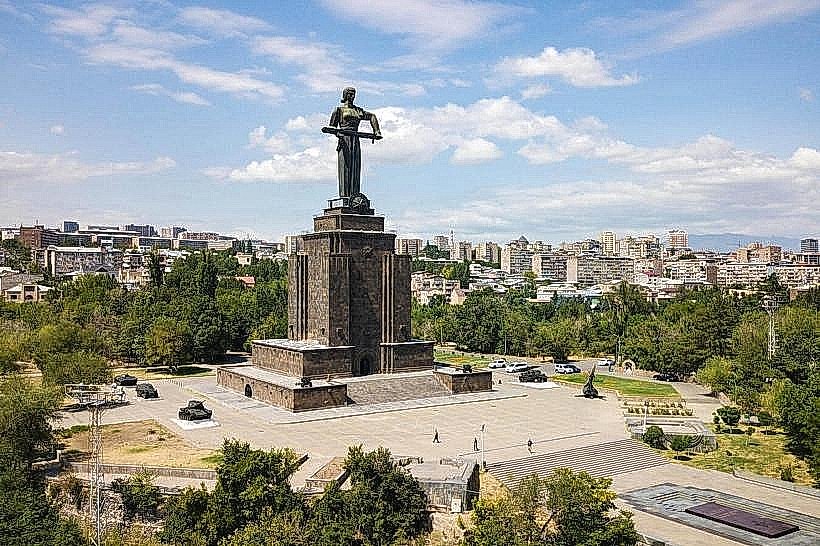
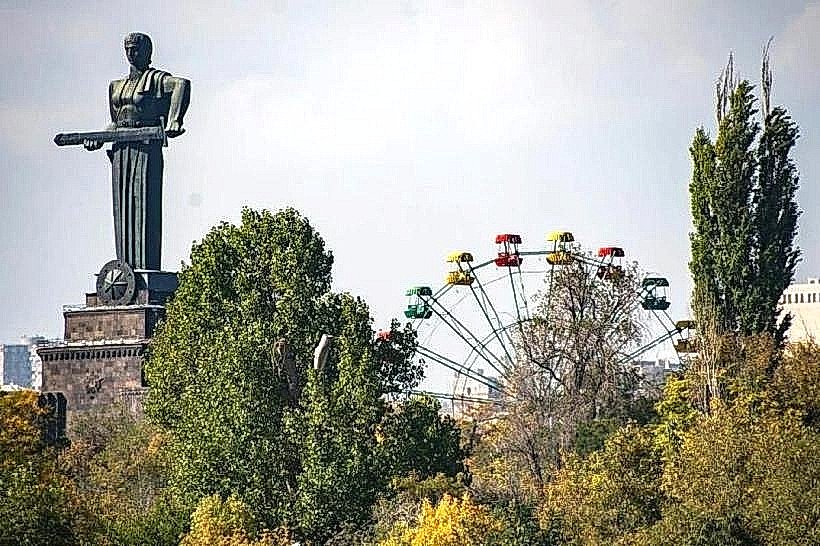
- Mother Armenia Statue (3.0km Northwest)
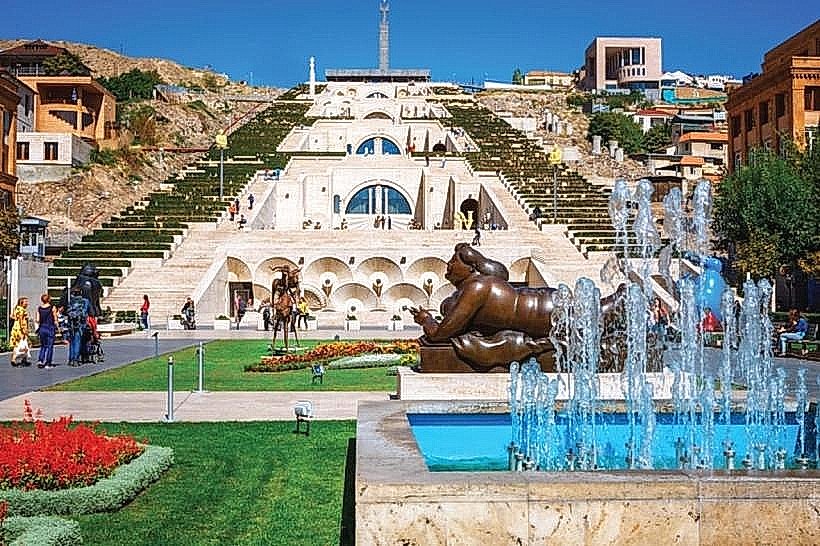
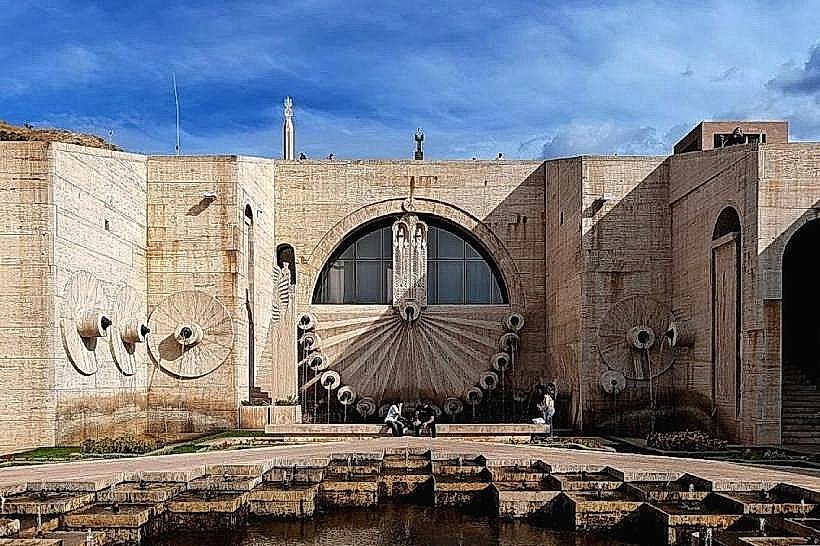
- Kaskad Complex (4.5km Northwest)