Information
City: YerevanCountry: Armenia
Continent: Asia
Yerevan, Armenia, Asia
Yerevan is the capital of Armenia and one of the world's oldest continuously inhabited cities, founded as the fortress of Erebuni in 782 BC. Known as the "Pink City" due to the widespread use of volcanic tuff stone in its architecture, it serves as the nation's political, cultural, and economic heart.
Historical Timeline
782 BC: Founded by King Argishti I of Urartu.
1827: Captured by the Russian Empire from Qajar Persia.
1918: Declared the capital of the First Republic of Armenia.
1924: Implementation of the general master plan by architect Alexander Tamanyan, which transformed the city into its modern radial-circular layout.
2026: Yerevan is actively pursuing decarbonization goals under its "Green City" initiative, modernizing its Soviet-era transport and focusing on climate-resilient urban infrastructure.
Demographics & Population
The 2026 estimated population is approximately 1.1 million. The population is nearly mono-ethnic, with 98.9% Ethnic Armenians. Small minorities include Russians, Yazidis, and Assyrians. Armenian is the official language; Russian is widely understood, and English proficiency is high among the youth and in the service sector.
Urban Layout & Key Districts
Yerevan's layout is centered around two main hubs connected by the pedestrian Northern Avenue.
Kentron (Center): The primary district containing almost all major landmarks, government buildings, and nightlife.
Arabkir: A bustling residential and commercial district north of the center.
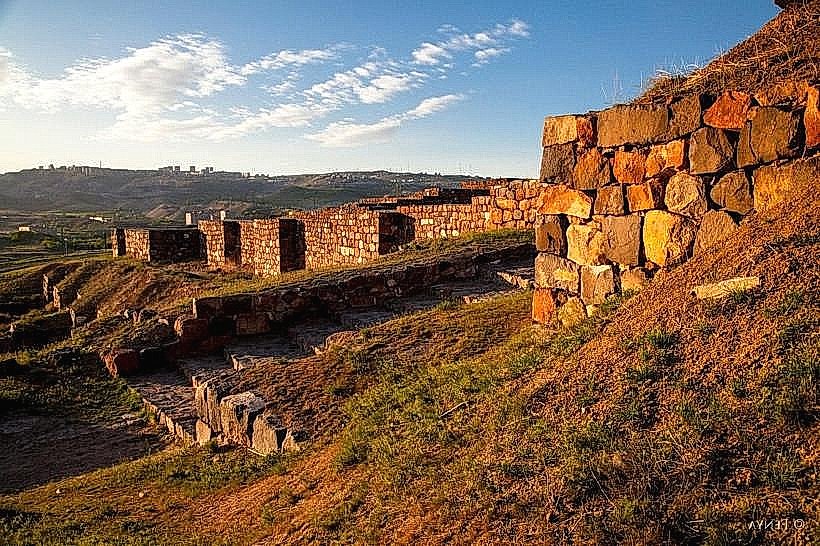
Erebuni: The southeastern district housing the ancient fortress and industrial zones.
Malatia-Sebastia: A dense residential area known for its large traditional markets.
Top Landmarks
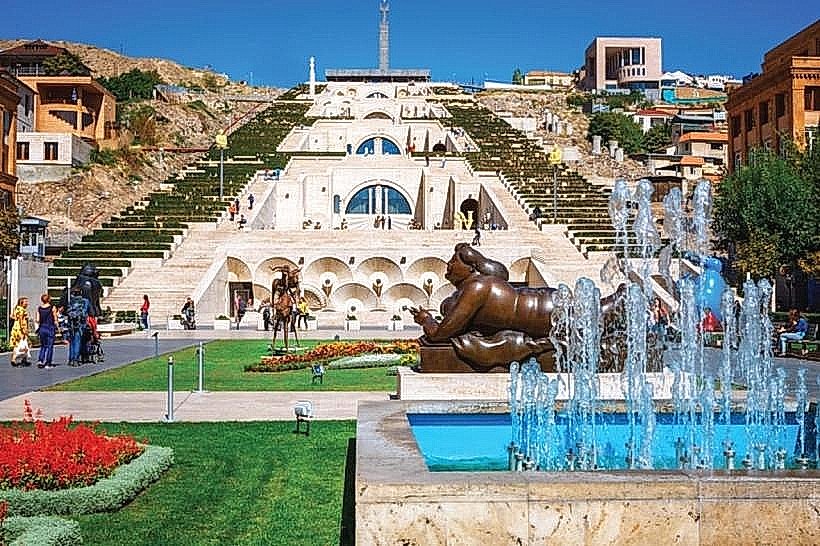
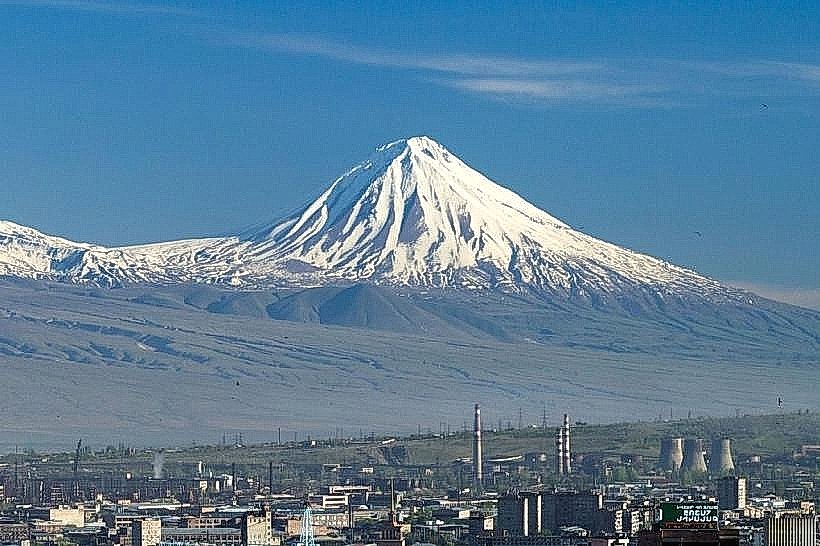
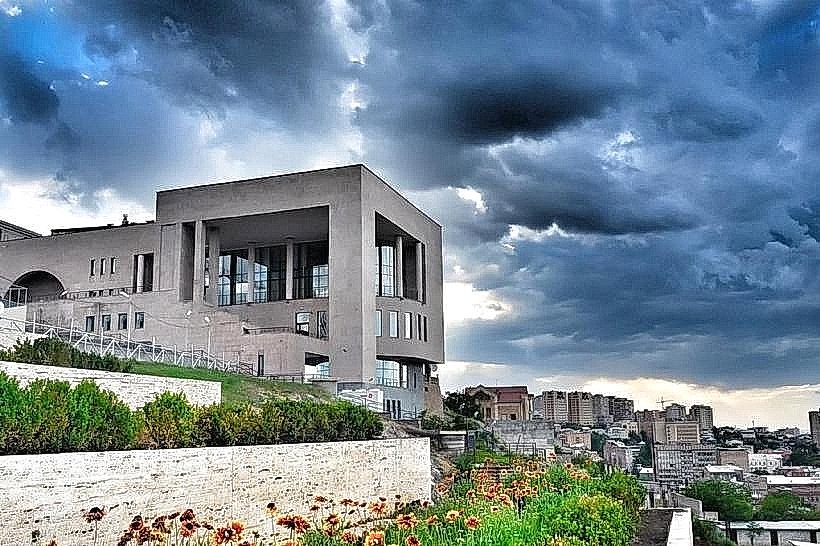
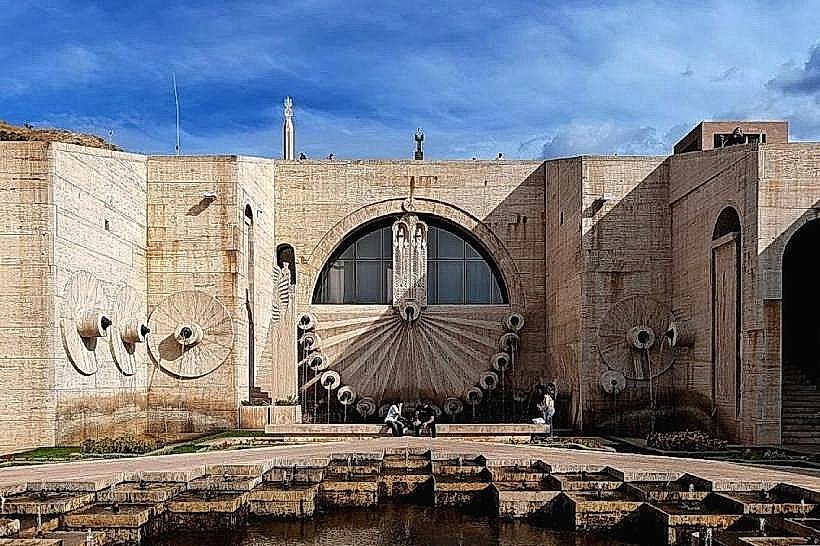
The Cascade Complex: A giant limestone stairway featuring the Cafesjian Center for the Arts. It offers panoramic views of the city and Mount Ararat.
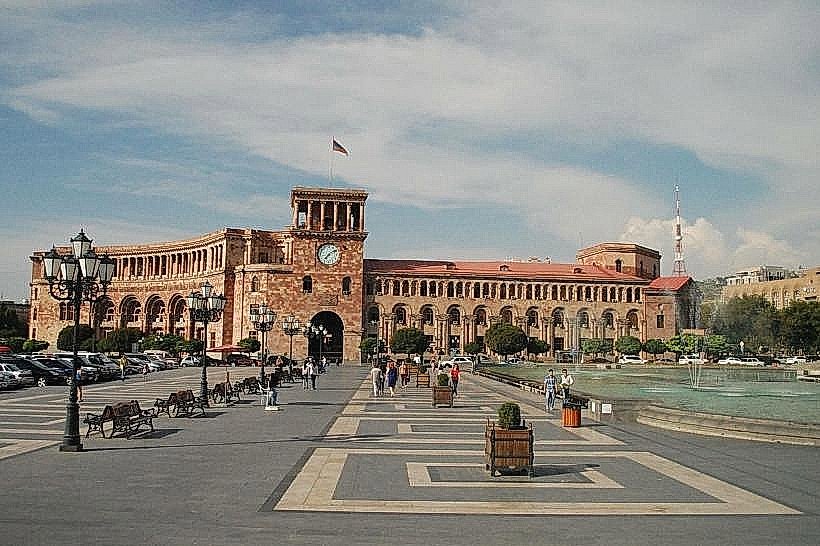
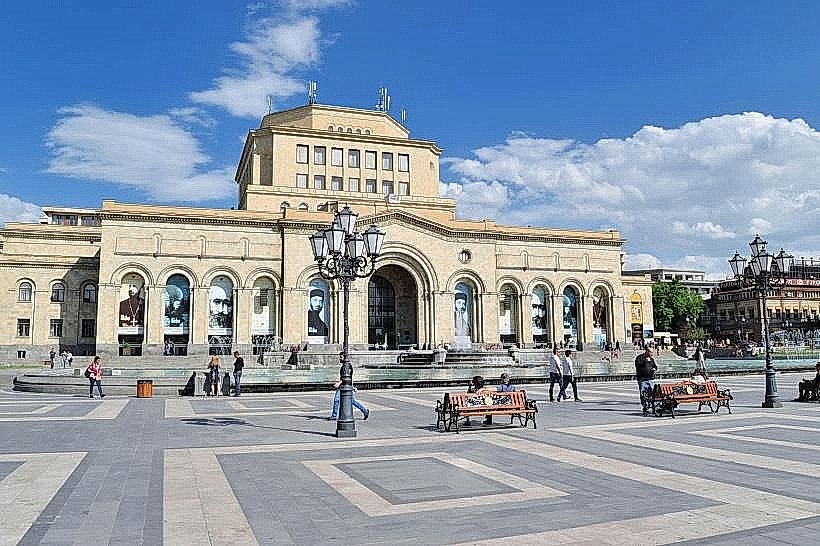
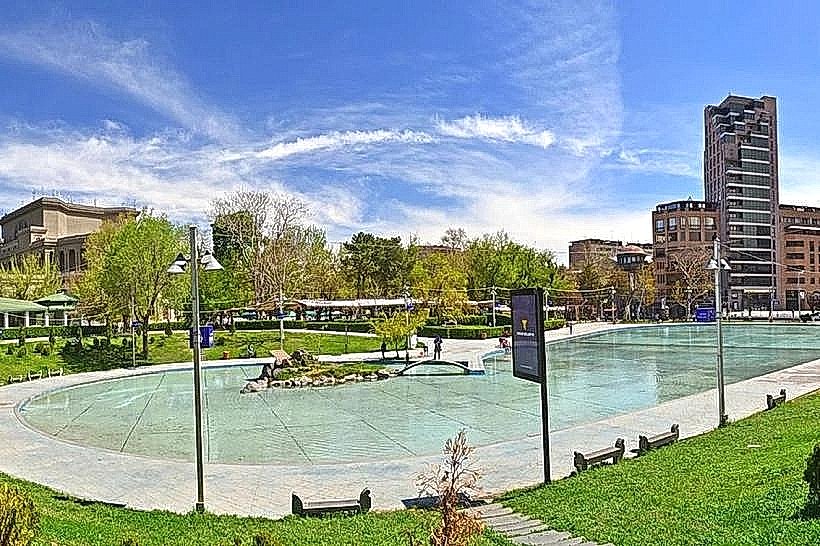
Republic Square: The city's central hub, surrounded by five major neoclassical buildings and the Singing Fountains (active in summer).
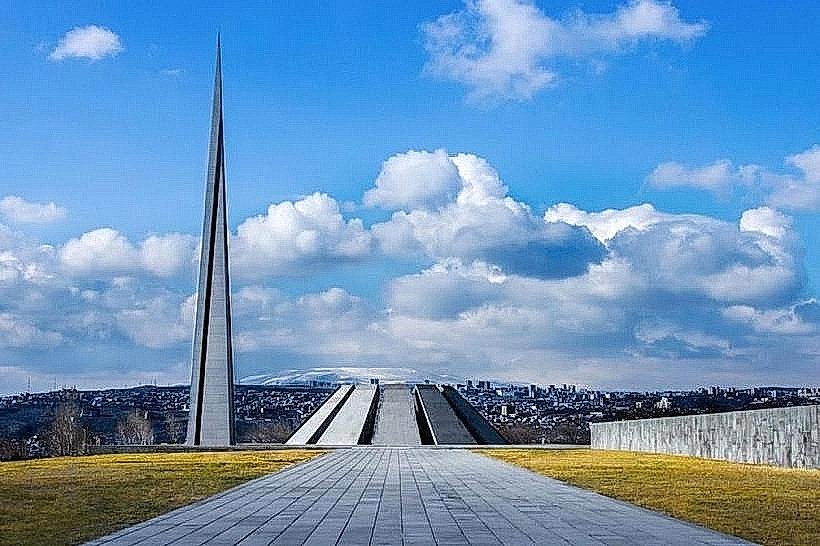
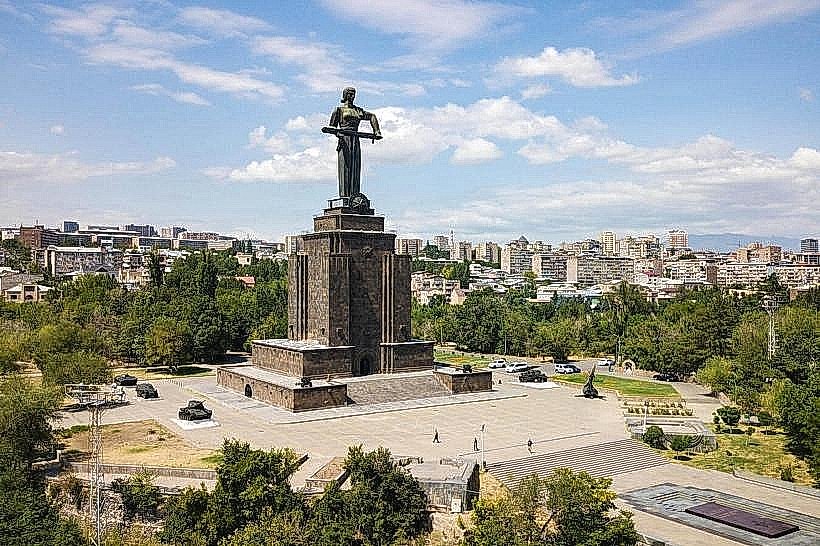
Tsitsernakaberd: The memorial and museum dedicated to the victims of the Armenian Genocide.
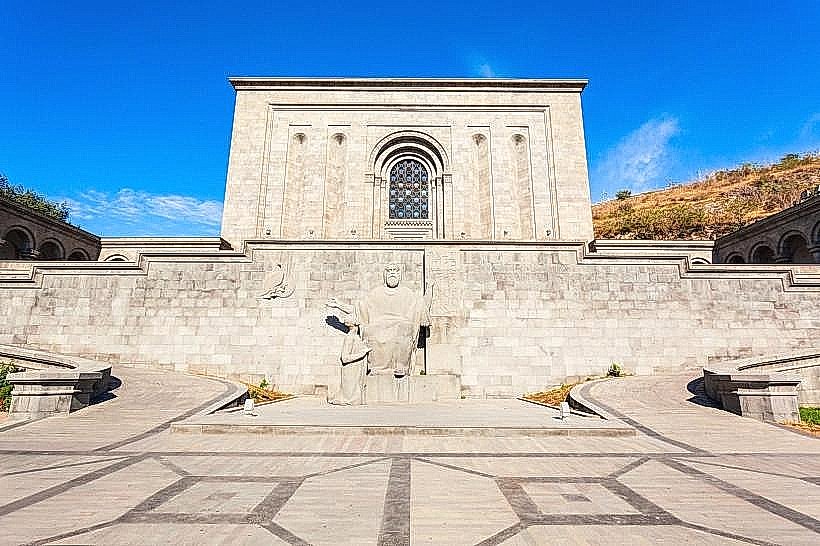
Matenadaran: One of the world's richest depositories of medieval manuscripts and books.
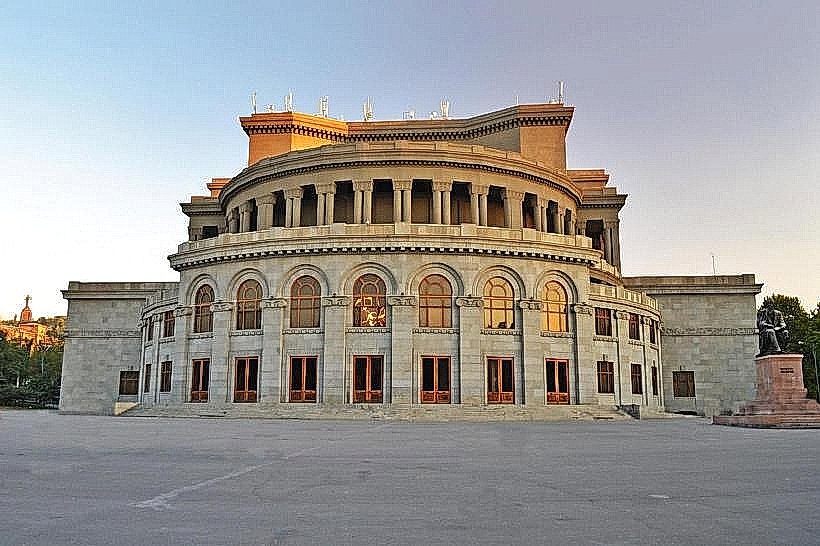
Armenian National Opera and Ballet Theatre: A masterpiece of Tamanyan's architecture located at the center of Freedom Square.
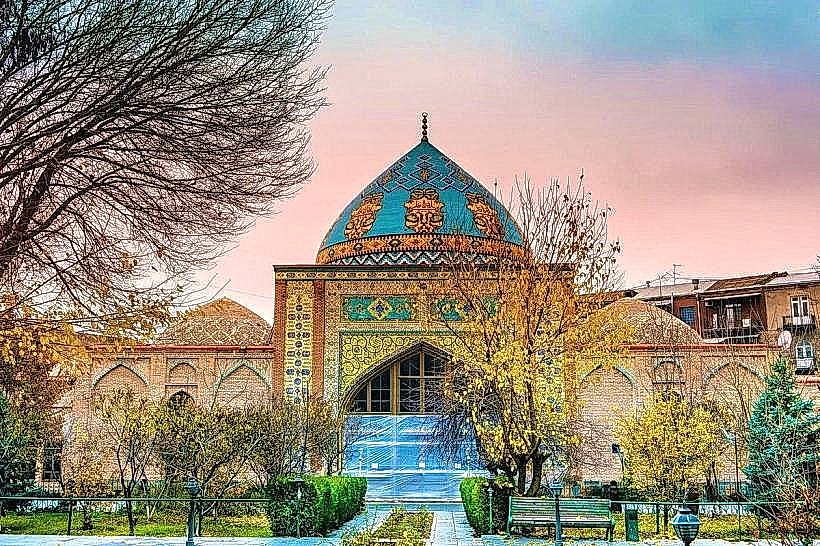
Blue Mosque: The only active mosque in the city, dating back to the 18th century.
Transportation Network
Yerevan is the central node for Armenia's transit.
Yerevan Metro: A single-line system (10 stations) connecting the north to the south.
Buses and Trolleybuses: Extensive networks; by 2026, many older minibuses (marshrutkas) have been replaced by a modern, unified bus fleet.
Zvartnots International Airport (EVN): Located 12 km west of the center, it is the primary international gateway.
Rail: The central station provides international links to Tbilisi, Georgia (overnight train) and domestic lines to Gyumri.
Safety & Health
Yerevan is considered one of the safest capitals in the world with a low violent crime rate.
Pedestrian Safety: Drivers can be aggressive; use caution at zebra crossings.
Scams: High risk of "restaurant bill padding" or overcharging in tourist-heavy bars/clubs. Always check itemized bills.
Geopolitics: Avoid travel within 5 km of the Azerbaijan border; however, the city of Yerevan is unaffected by border skirmishes.
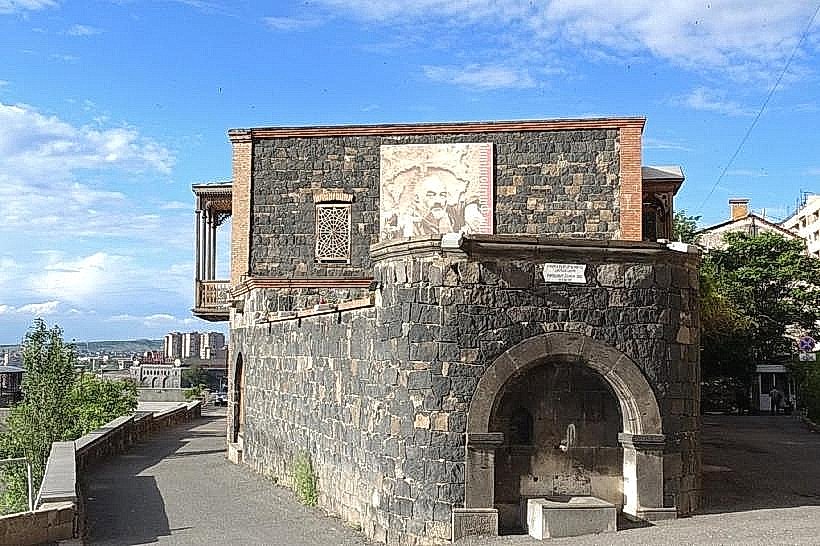
Water: Tap water is safe to drink and highly praised; public drinking fountains (pulpulaks) are found throughout the city.
Digital & Financial Infrastructure
4G and 5G connectivity are excellent via Team, Viva-MTS, and Beeline. The Armenian Dram (AMD) is the currency.
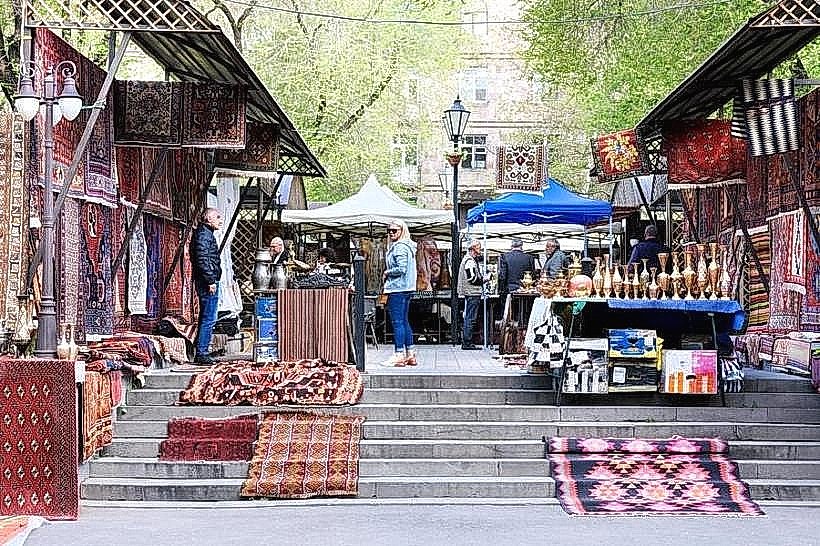
Banking: ATMs are ubiquitous. Card payments are accepted in almost all city establishments, though cash is preferred in smaller shops or markets (Vernissage).
2026 Regulations: Visitors should ensure they have travel insurance covering medical evacuation, as public hospital standards outside the capital vary.
Climate & Ecology
BSk (Cold semi-arid). Summers are long, hot, and dry (reaching 40°C), while winters are short but can be snowy and cold. In 2026, the city is addressing its air quality issues through expanded green zones and the "Energy Efficient Yerevan" project.
Culture & Social Norms
Life in Yerevan revolves around outdoor café culture and late-night social gatherings.
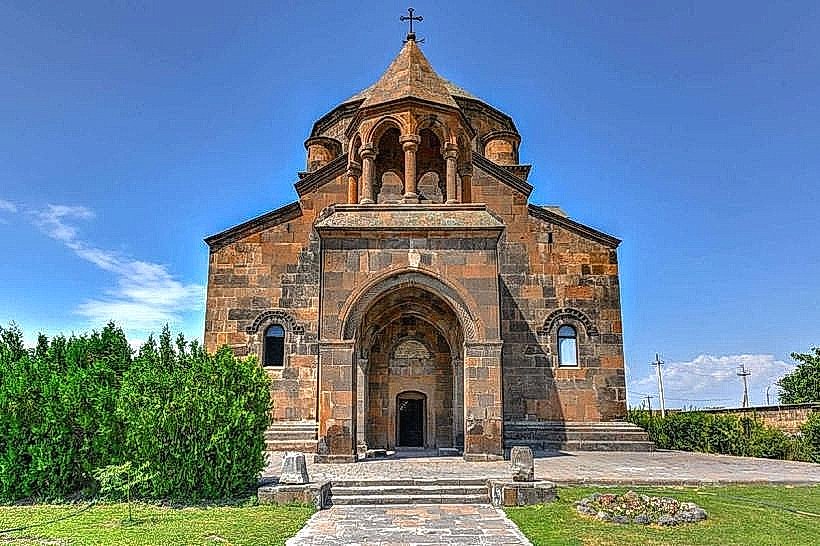
Religion: Deeply rooted in the Armenian Apostolic Church. Modest dress is required in churches.
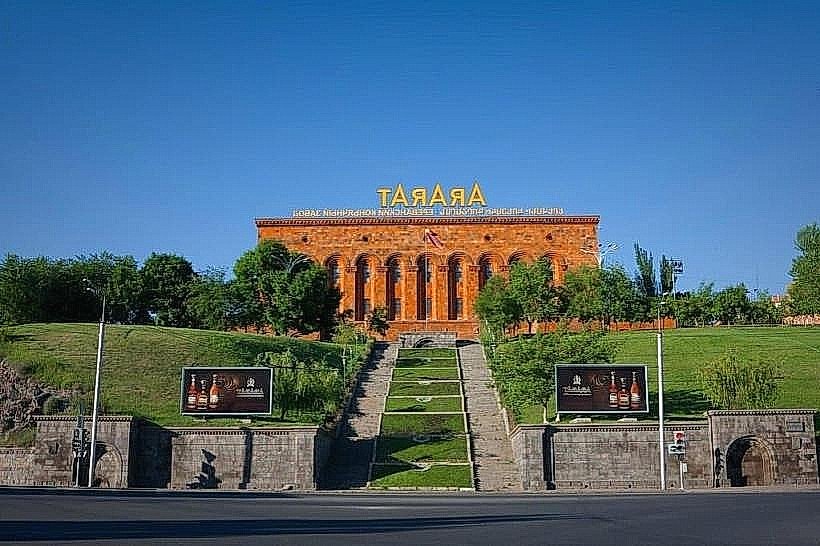
Cuisine: Highlights include Khorovats (barbecue), Dolma, Lavash (UNESCO Heritage bread), and world-class Armenian Brandy (Ararat/Noy).
Hospitality: Extreme hospitality is expected; refusing food or drink in a home can be seen as impolite.
Local Cost Index
1 Standard Meal: $8.00–$15.00 USD.
Metro/Bus Fare: 100–300 AMD ($0.25–$0.75 USD).
Mid-range Hotel Night: $50.00–$110.00 USD.
Facts & Legends
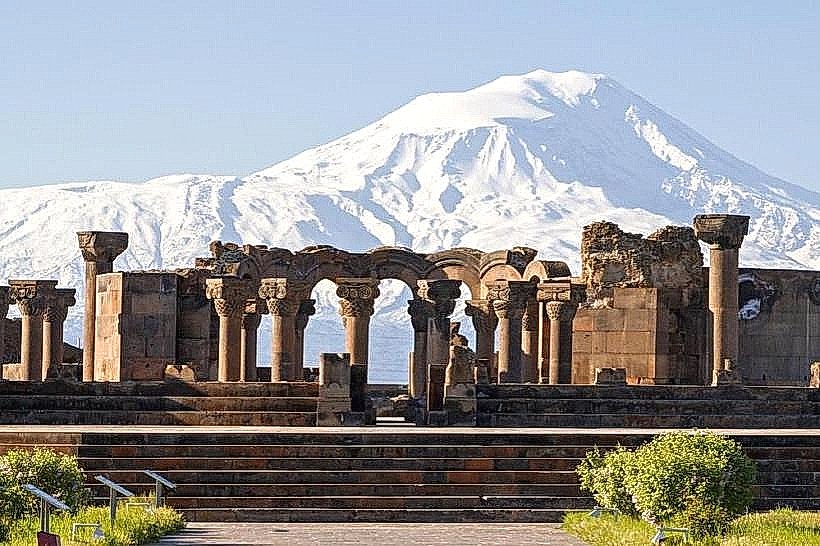
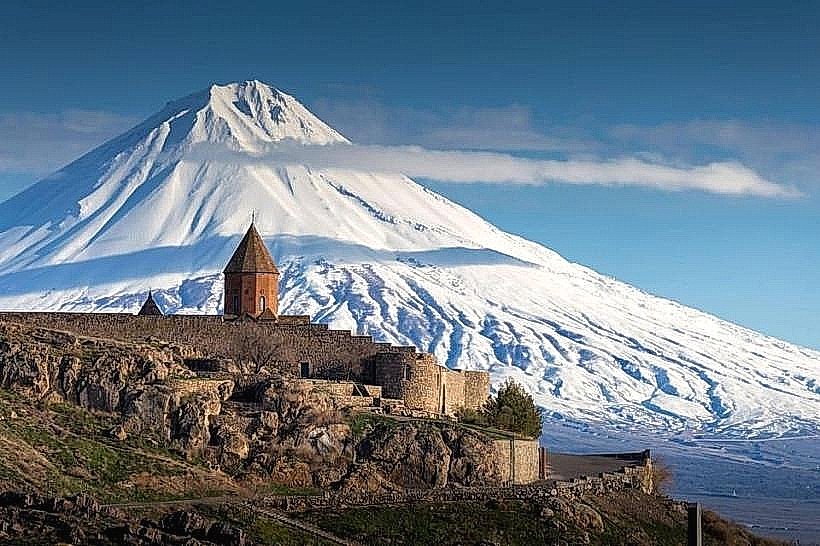
A popular legend states that when Noah’s Ark landed on Mount Ararat, he looked toward the Yerevan valley and exclaimed "Yerevats!" ("It appeared!"), giving the city its name. Historically, Yerevan is the 14th capital in the history of Armenia. In 2026, it remains a "Pink City" that successfully bridges its 2,800-year history with a rapidly growing tech and tourism sector.