Information
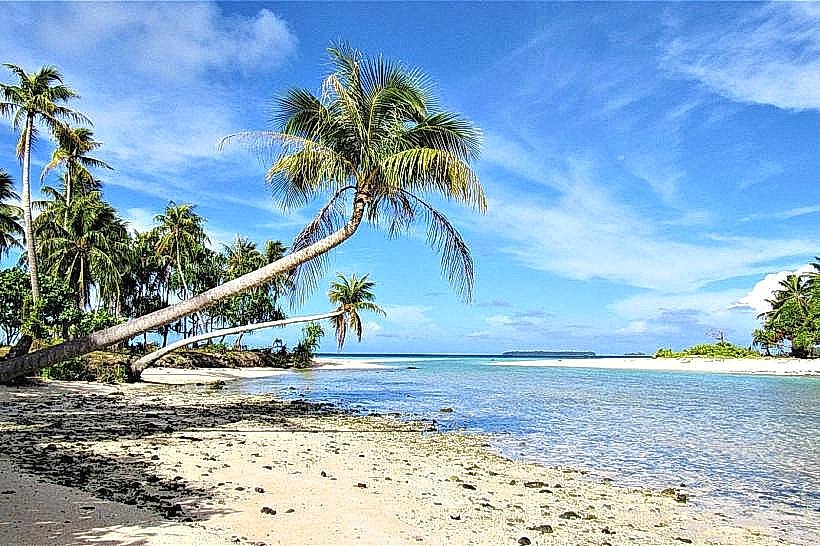
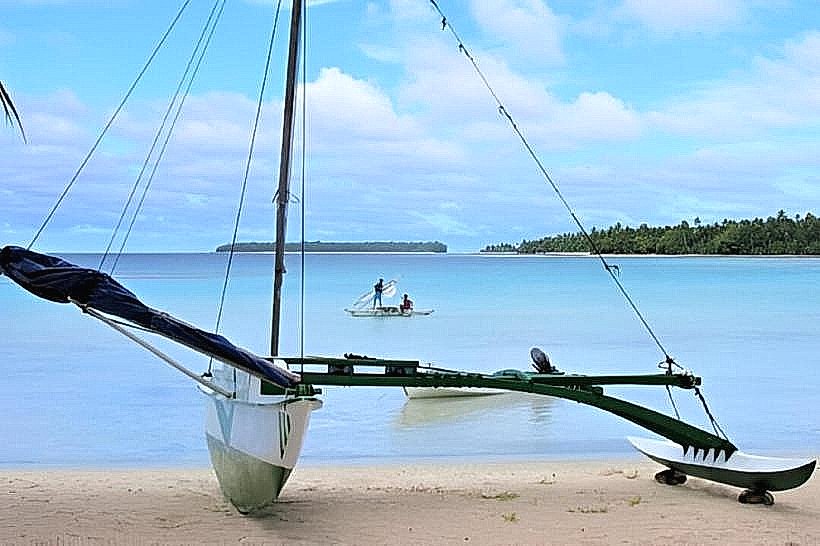
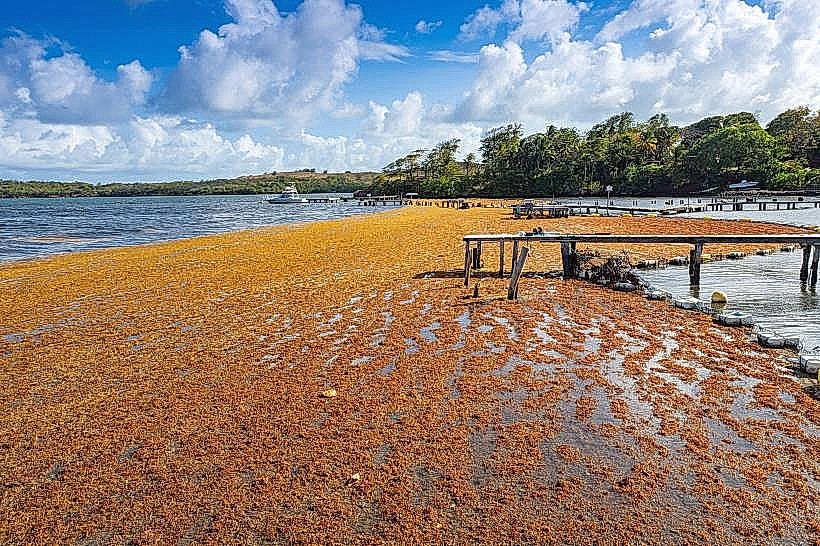
Landmark: Old Church GroundsCity: Lae Atoll
Country: Marshall Islands
Continent: Australia
Old Church Grounds, Lae Atoll, Marshall Islands, Australia
The Chittagong Hill Tracts is a region of southeastern Bangladesh characterized by its hilly terrain and diverse ethnic populations. It is located southeast of the city of Chittagong.
Visual Characteristics
The landscape consists of rolling hills covered in dense tropical and subtropical forests. Elevation ranges from approximately 150 meters to over 1,000 meters. Rivers and streams cut through the valleys, with vegetation density varying by altitude and season. Common tree species include teak, bamboo, and various fruit-bearing trees.
Location & Access Logistics
The Chittagong Hill Tracts is accessible from Chittagong city. The primary gateway towns are Rangamati, Bandarban, and Khagrachhari. Travel from Chittagong to Rangamati involves a road journey of approximately 77 kilometers, taking about 2-3 hours by bus or private vehicle via the Chittagong-Rangamati Road (N104). Bandarban is approximately 92 kilometers from Chittagong, reachable via the Chittagong-Bandarban Highway (R161), a journey of 3-4 hours. Khagrachhari is about 112 kilometers from Chittagong, accessible via the Chittagong-Khagrachhari Road (R162), taking 4-5 hours. Public buses operate regularly from Chittagong's main bus terminals to these towns. Within the Hill Tracts, local transport includes shared taxis, jeeps, and boats for riverine travel.
Historical & Ecological Origin
The region's geological formation is part of the Indo-Burman Range, characterized by sedimentary rocks and alluvial deposits. Ecologically, it is classified as a tropical moist deciduous forest zone. Historically, the area has been inhabited by indigenous tribal communities for centuries, including the Chakma, Marma, Tripura, and Tanchangya peoples. The Chittagong Hill Tracts Peace Accord was signed in 1997, aiming to resolve long-standing political and land disputes.
Key Highlights & Activities
Activities include boat trips on Kaptai Lake near Rangamati, visiting tribal villages, trekking through forest trails, and exploring waterfalls such as Shoilo Propat in Bandarban. The indigenous markets offer opportunities to observe local crafts and produce. Photography of the landscape and cultural interactions are common pursuits.
Infrastructure & Amenities
Basic tourist infrastructure exists in the main towns of Rangamati, Bandarban, and Khagrachhari, including guesthouses and hotels. Restaurants serving local and national cuisine are available. Restrooms are generally found in hotels and public facilities. Cell phone signal (2G/3G) is present in the towns, but can be intermittent in remote areas. Shade is provided by forest canopy in natural areas and by structures in settlements. Food vendors are common in market areas.
Best Time to Visit
The best time to visit is during the dry season, from October to March. Temperatures are moderate, and rainfall is minimal. The monsoon season, from June to September, brings heavy rain, which can affect travel and outdoor activities. For photography, early morning and late afternoon offer optimal lighting conditions for the hilly landscapes.
Facts & Legends
A notable historical fact is the construction of the Kaptai Dam in the 1960s, which created Kaptai Lake, submerging significant land and displacing many inhabitants. Local legends often revolve around forest spirits and the origins of the indigenous communities.
Nearby Landmarks
- Kaptai Lake (10km Northwest of Rangamati)
- Shuvolong Waterfall (25km Northeast of Rangamati)
- Buddha Dhatu Jadi (Golden Temple) (3km South of Bandarban)
- Nilgiri Hill Station (50km South of Bandarban)
- Sajek Valley (60km Northeast of Khagrachhari)