Information
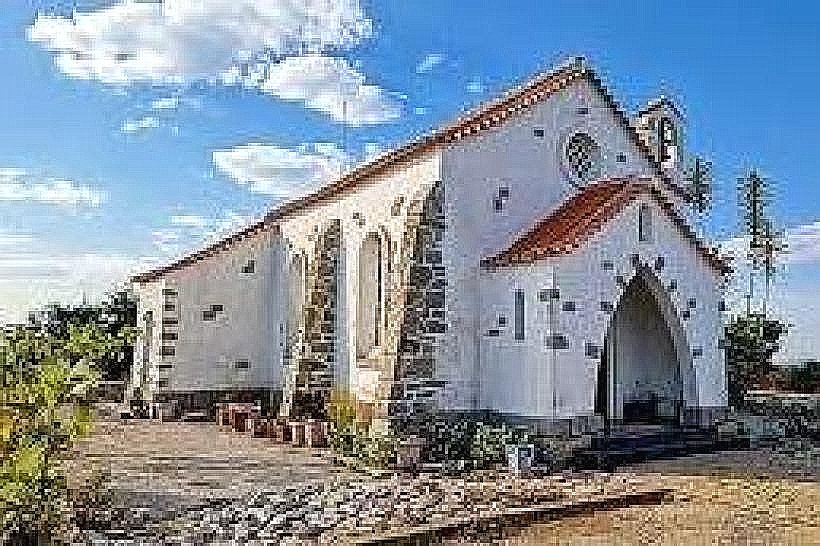
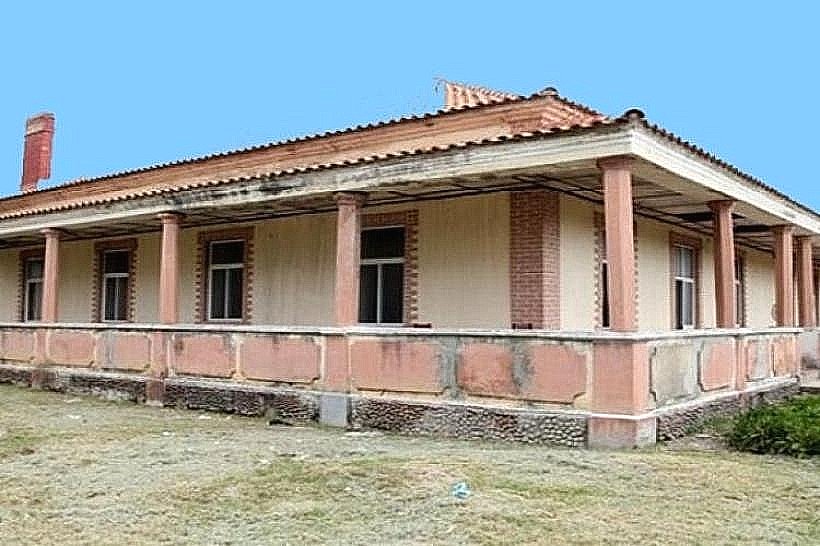
Landmark: Palácio do GovernoCity: Huambo
Country: Angola
Continent: Africa
Palácio do Governo, Huambo, Angola, Africa
Khan Jahan Ali’s Tomb is a historical mausoleum located in Bagerhat, Khulna Division, Bangladesh.
Visual Characteristics
The tomb is a square brick structure with a domed roof. It measures approximately 10.7 meters on each side externally and 4.8 meters internally. The walls are about 1.8 meters thick. The exterior is decorated with terracotta ornamentation, featuring floral motifs and geometric patterns. The entrance is on the east side, marked by a large archway. Inside, the sarcophagus of Khan Jahan Ali is centrally placed. The structure exhibits features of Sultanate architecture.
Location & Access Logistics
The tomb is situated in the village of Shait Gombuj, approximately 5 kilometers south of the city of Bagerhat. Access from Khulna city involves traveling by road to Bagerhat, a distance of about 50 kilometers. From Bagerhat town, local auto-rickshaws or cycle rickshaws can be hired to reach the tomb site. There is a designated parking area adjacent to the complex.
Historical & Ecological Origin
The tomb is believed to have been constructed in the 15th century, likely around 1459 AD, during the reign of Khan Jahan Ali, a Muslim Sufi saint and ruler. It serves as his final resting place and is a significant example of early Islamic architecture in Bengal. The site is built on raised ground, typical for structures in this deltaic region.
Key Highlights & Activities
Visitors can observe the architectural details and historical inscriptions within the tomb. The surrounding area includes a large tank, known as Khan Jahan Ali's Dighi, where visitors can observe the large freshwater crocodiles that inhabit it. Photography of the exterior and interior is permitted. The site is a place of pilgrimage for many.
Infrastructure & Amenities
Basic restroom facilities are available near the entrance to the complex. Shade is provided by the structure itself and some surrounding trees. Cell phone signal (4G/5G) is generally available in the area. Food vendors are typically present outside the main complex, offering local snacks and beverages.
Best Time to Visit
The best time of day for photography is during the early morning or late afternoon when the sunlight provides softer illumination on the brickwork and terracotta. The dry season, from October to March, offers the most pleasant weather conditions for visiting. There are no specific tide requirements as the site is inland.
Facts & Legends
A local legend states that the large tank adjacent to the tomb was dug by Khan Jahan Ali himself using his own hands. It is also said that the crocodiles in the tank are descendants of those tamed by the saint. A specific tip for visitors is to be respectful of the religious significance of the site, as it remains an active place of worship for some.
Nearby Landmarks
- Shat Gombuj Mosque (0.2km North)
- Nine-Domed Mosque (0.5km North-West)
- Chunakhola Mosque (1.5km North-East)
- Bibiana Mosque (2.0km North)
- Rani's Dighi (2.5km North-West)