Information
Landmark: Parque de Maria LuisaCity: Seville
Country: Spain
Continent: Europe
Parque de Maria Luisa, Seville, Spain, Europe
Overview
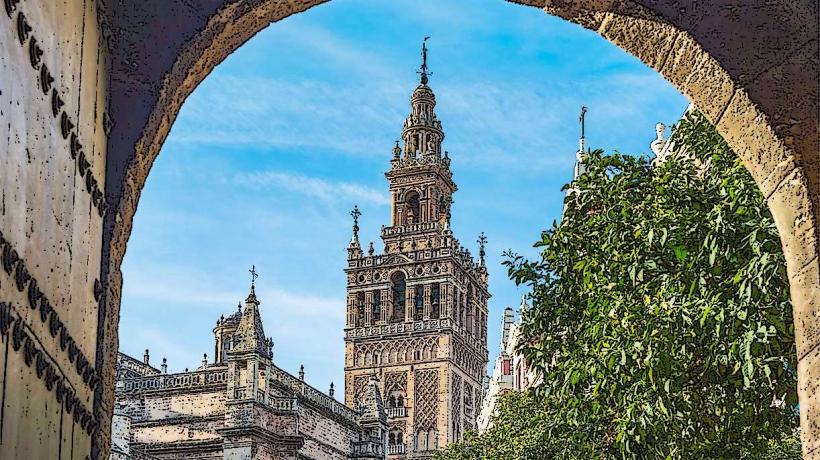
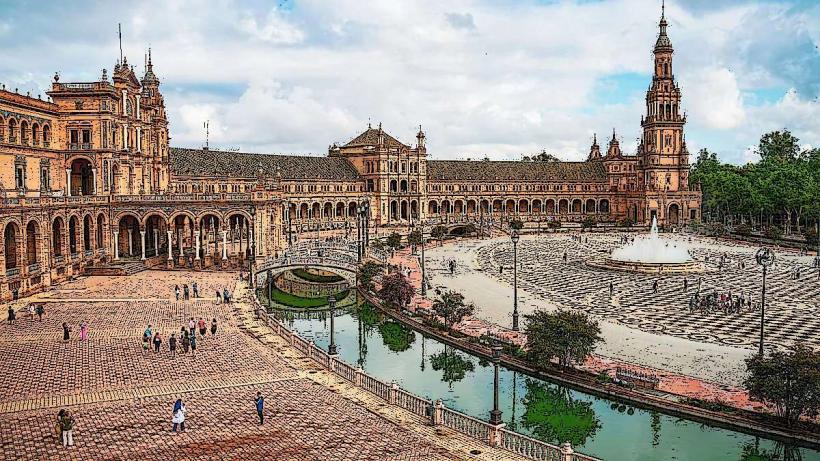
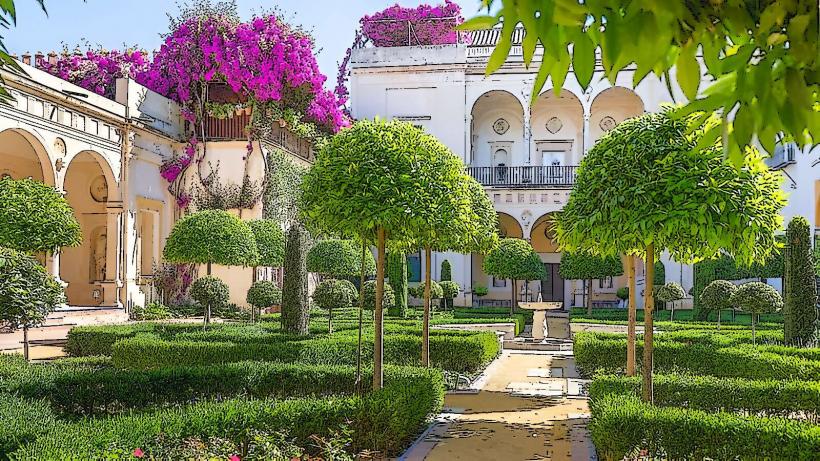
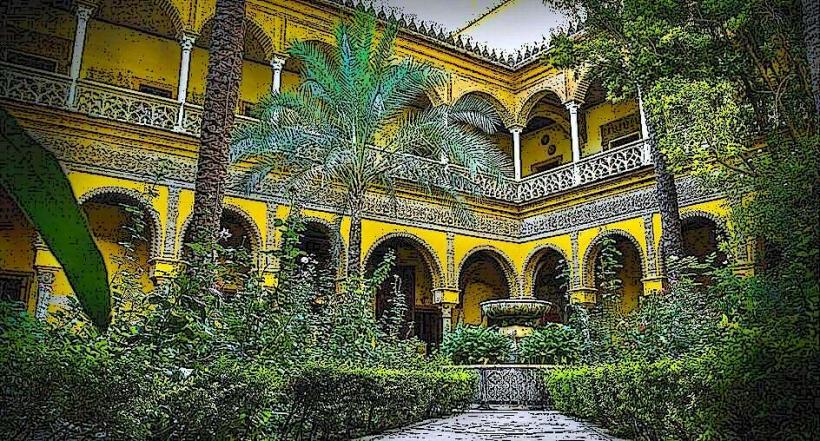
Parque de María Luisa, with its shaded paths and fountains, ranks among Seville’s most charming and historic parks, simultaneously it sits beside the languid, silver curve of the Guadalquivir River-a lush patch of green in the city’s heart where you can hear leaves rustle instead of car horns, to some extent Locals and visitors flock to the park for its sweeping views, graceful stone bridges, and the stories etched into its heritage walls, besides the park’s story begins in the 16th century, when it was part of the grand Palacio de San Telmo, once home to the Duke of Montpensier, its courtyards echoing with the sound of carriage wheels on stone.At first, they built it as a secluded garden for the nobility, where roses once bloomed behind tall stone walls, moreover later, the Spanish royal family inherited the land, along with its sun‑baked fields and crumbling stone walls.Truthfully, In 1893, Infanta María Luisa Fernanda de Borbón, daughter of Spain’s King Fernando VII, gifted the park to the city of Seville, opening its gates to the public, subsequently after the donation, the gates swung open to the public, and since then the park’s shady paths and open lawns have made it one of the city’s most loved green spaces.The park’s design drew heavily from the Romantic style popular in the late 19th century, with winding paths that seemed to invite quiet, unhurried walks, therefore french landscape architect Jean-Claude Nicolas Forestier designed it, drawing on ideas from local architects and artists, who added touches like patterned tilework and shaded courtyards.From what I can see, Over the years, the park’s grown and been revamped, and today it stretches across about 34 hectares-roughly the size of 80 soccer fields, consequently radiant Gardens: The park unfolds in a chain of lush gardens, each with its own personality-one might glow with roses, another hum with the sound of a tiny fountain.Fountains trickle beside still pools and neat green lawns, lending the gardens a calm, unhurried feel, while beds of luminous roses and lilies spill color across the park, alternatively in spring, the park bursts with color as tulips, roses, and jasmine spill open in the warm air.Among its most striking sights are the many fountains and still ponds, their soft splash and mirror-like surfaces deepening the sense of calm, equally important near the park’s main entrance, you’ll find the striking Fountain of the Lions and the graceful Fountain of Mercury.Farther in, tiny ponds glimmer in the sunlight, their surfaces rippling as swans and ducks drift by, subsequently the gentle splash of the fountains invites visitors to pause and relax, offering an ideal spot to unwind.It appears, Scattered throughout Parque de María Luisa, statues and monuments stand as quiet witnesses to the park’s rich history, to boot in the park, you’ll find statues ranging from elegant classical works to dreamy romantic figures-Don Juan Tenorio stands in one corner, while poet Gustavo Adolfo Bécquer rests beneath a ring of trees.As it happens, There are also monuments like the one to Antonio de Nebrija and another honoring La Argentina, as well as the park’s statues and monuments lend it a rich historical charm, echoing Seville’s cultural legacy.Tucked among the trees stands the Mudejar Pavilion, its intricate tilework a striking example of Mudejar architecture, equally important built for the 1929 Ibero-American Exposition, the pavilion stands out with its intricate tile mosaics, warm brick walls, and graceful arches, more or less The pavilion hosts temporary exhibitions and cultural events, sometimes filling with the scent of fresh paint and current ideas, moreover inside the park, you’ll find the famous Plaza de España, a landmark you can’t miss, somewhat Built for the 1929 Ibero-American Exposition, this grand square stands as one of Seville’s most treasured landmarks, its warm terracotta arches glowing in the afternoon sun, meanwhile the canal and the gleaming ceramic tiles of Plaza de España sit right beside the park, blending the two spaces effortlessly.Oddly enough, Shaded by rows of tall, whispering trees, the park’s winding paths invite you to amble, jog, or pedal at your own pace, besides the park is dotted with towering palms, graceful cypresses, and fragrant magnolias that cast cool shade on sweltering summer days.Winding paths lead you past quiet fountains and weathered statues tucked into hidden corners, in addition a canal glides through the Plaza de España, where you can rent a rowboat and drift across the still, sunlit water.As far as I can tell, Gliding along the canal lets you glimpse the park from a fresh angle, with the graceful arches of Plaza de España rising ahead, meanwhile all year, the flowerbeds shift with the seasons, bursting into special displays for celebrations like the April Fair and Easter Week.In spring, the rose garden bursts with color and the lily ponds shimmer in the sun, drawing crowds of visitors, in addition parque de María Luisa also teems with birdlife-from dazzling green parakeets to darting swallows-making it a favorite haunt for birdwatchers.In the park’s ponds and flower‑lined gardens, you’ll spot ducks paddling, swans gliding, pigeons strutting, and plenty of other local birds, equally important the park’s towering trees shelter tiny birds, and its calm, shaded paths make it a perfect spot to watch wildlife.Just steps away, Seville’s historic center offers some of the city’s most iconic landmarks, along with just a short stroll away, you can wander through the soaring Seville Cathedral, step into the ornate Alcázar, and climb the Giralda Tower for sweeping city views.And as we mentioned earlier, the Plaza de España sits gracefully within the park, a landmark every visitor remembers, and with the park’s lush gardens set against the sweeping arches of Plaza de España, this corner of the city feels unforgettable.Just steps away, the Archaeological Museum of Seville and the Museum of Arts and Traditions invite you to dive deeper into its rich heritage, not only that parque de María Luisa welcomes visitors every day of the week.The park stays open around the clock, but most people wander in during daylight, when the air hums with voices and the paths glow in the sun, as a result the gates open at 7:30 AM and usually stay that way until 10:00 PM, though in winter they might shut early, sometimes while the air’s still crisp with evening frost.You can amble right into the park for free, breathing in the scent of fresh grass without paying a cent, along with still, a few spots in the park-like the Mudejar Pavilion or certain exhibits-might ask for a ticket, sometimes just a couple of euros at the gate.Getting there’s simple-Parque de María Luisa sits right in the heart of the city, just a short stroll, a quick bike ride past shaded plazas, or an easy hop on a bus or tram, subsequently you’re only a few minutes’ stroll from Seville Cathedral and the grand, sunlit sweep of Plaza de España.The park offers benches, picnic spots, and cozy cafés where you can sit back, sip a coffee, and take in the rustle of leaves around you, on top of that the park has playgrounds where kids can scramble up slides and swing high, so it’s a spot the whole family can enjoy.Parque de María Luisa stands among Seville’s finest public spaces, where leafy paths wind past tiled fountains, blending lush gardens, rich history, and graceful architecture, not only that whether you want a quiet corner to unwind, a shady path lined with orange trees, or a spot to dive into Seville’s rich history, this park is the perfect location to be.Parque de María Luisa, with its lush gardens, sparkling fountains, and soaring arches, wraps you in a calm that feels miles from the city-yet it’s at the very heart of Seville’s charm.
Author: Tourist Landmarks
Date: 2025-08-18