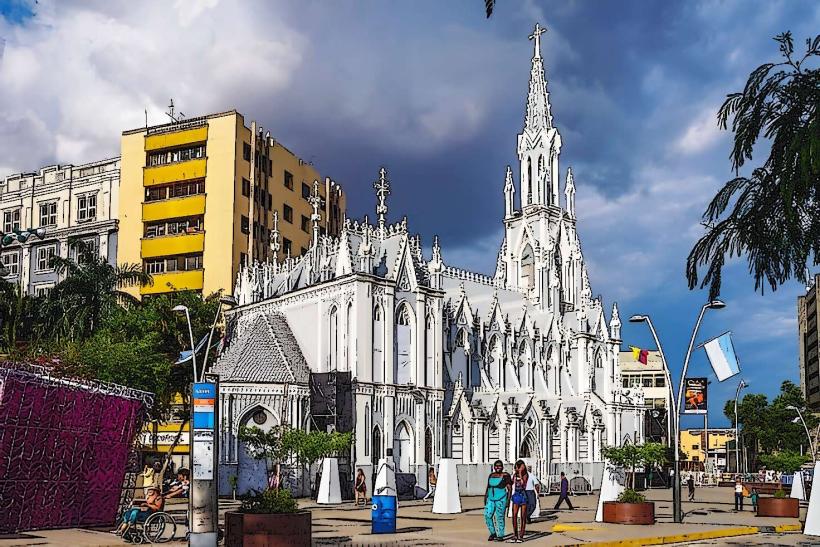
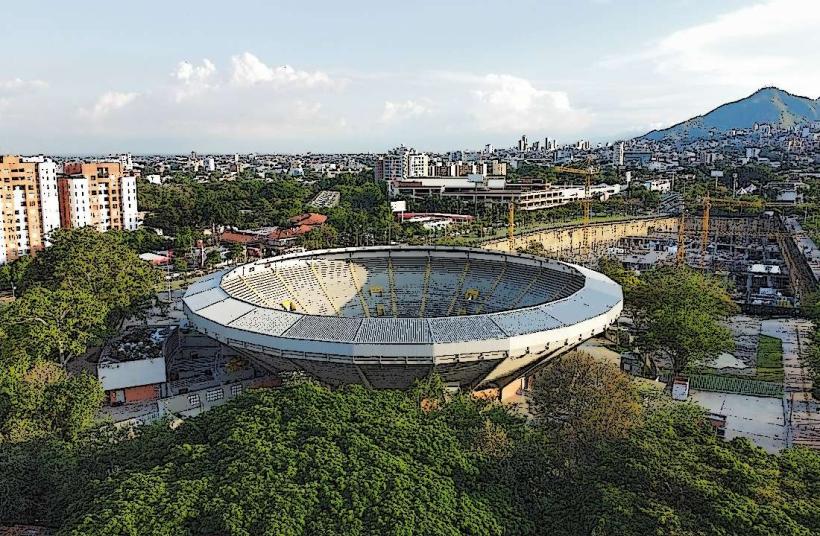
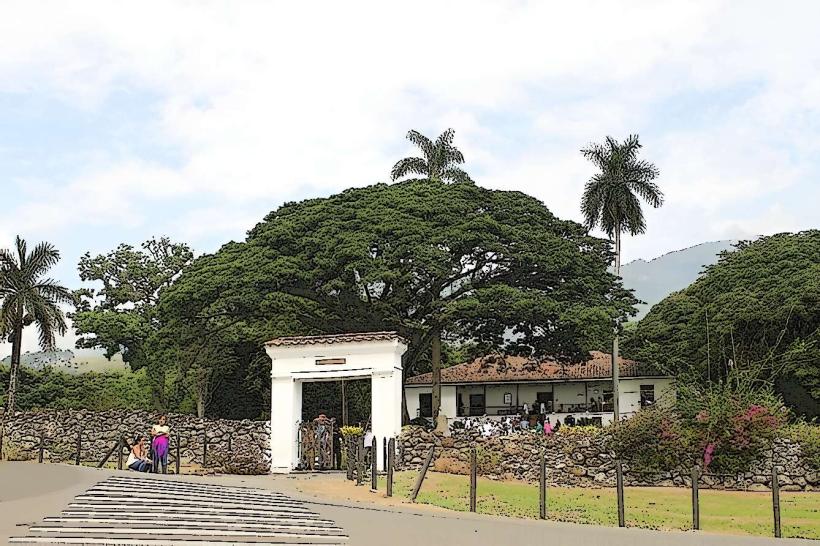
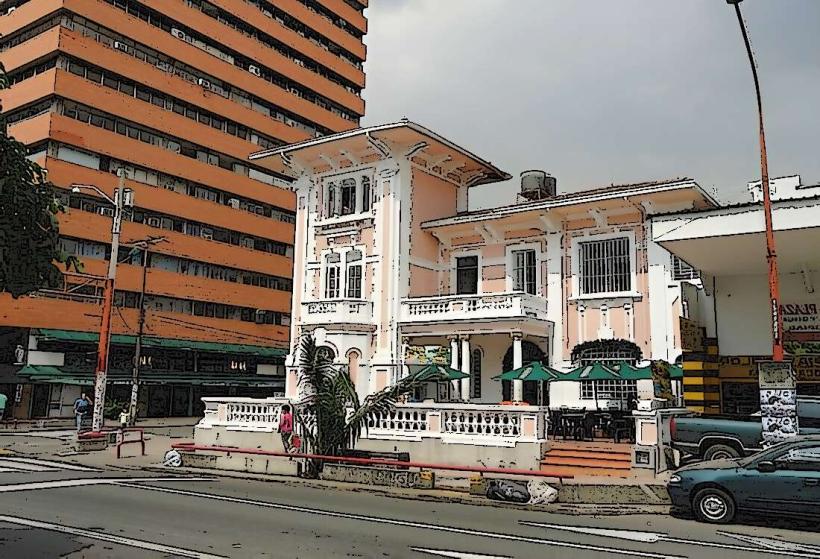
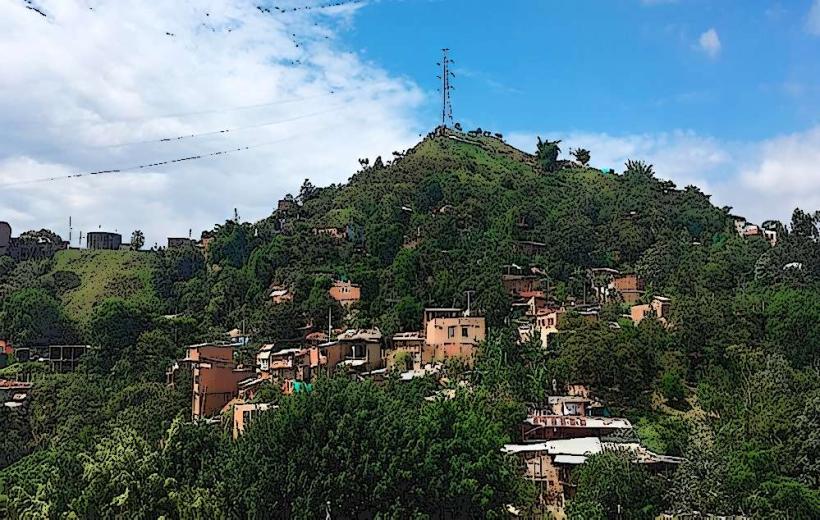
Information
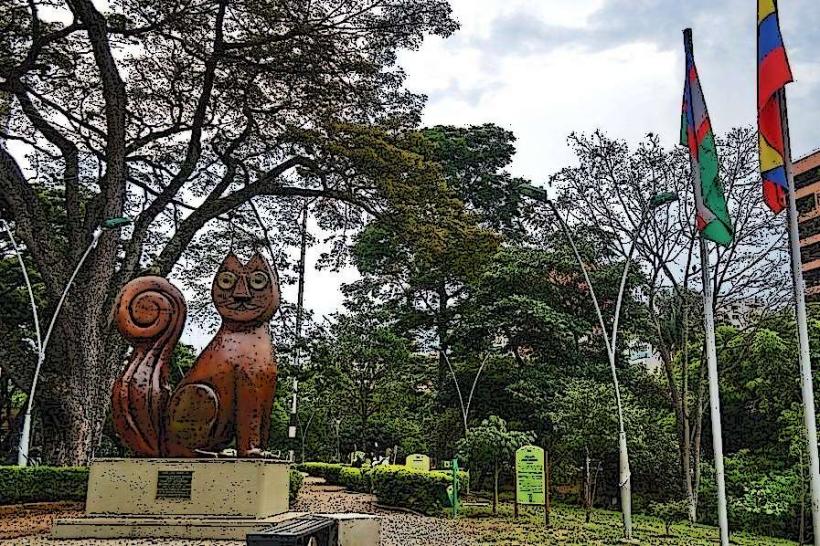
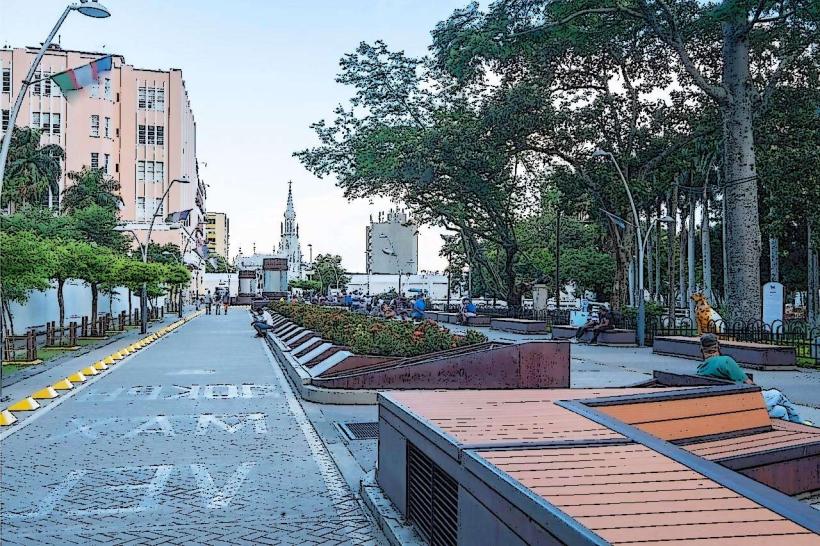
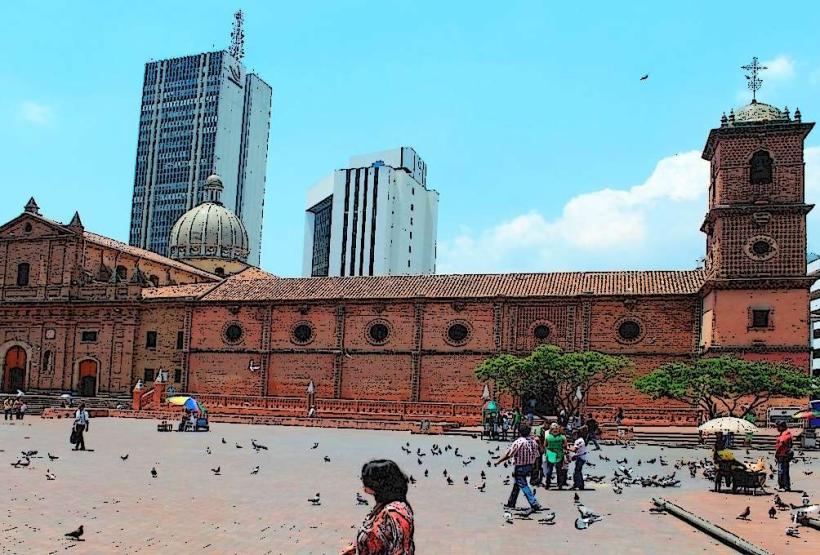
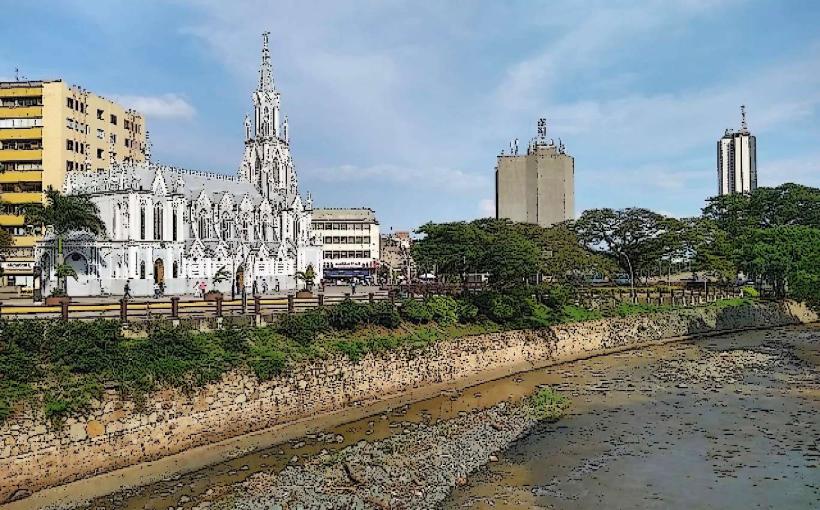
Landmark: Parque del PerroCity: Cali
Country: Colombia
Continent: South America
Parque del Perro, Cali, Colombia, South America
Indian Rocks Beach is a barrier island located on the Gulf Coast of Florida, west of St. Petersburg.
Visual Characteristics
The beach consists of fine, white quartz sand. The Gulf of Mexico waters are typically clear and range in color from turquoise to deep blue depending on light conditions. Dune vegetation, primarily sea oats and various grasses, borders the developed areas.
Location & Access Logistics
Indian Rocks Beach is situated approximately 15 miles west of downtown St. Petersburg. Access is primarily via Florida State Road 699 (Gulf Boulevard). Ample public parking is available along Gulf Boulevard and at designated beach access points. Several Pinellas Suncoast Transit Authority (PSTA) bus routes, including the 15 and 19, serve Gulf Boulevard, providing public transportation options.
Historical & Ecological Origin
The area's geological formation is characteristic of Florida's barrier islands, shaped by millennia of sand deposition and sea-level fluctuations. Historically, the region was inhabited by indigenous peoples before European settlement. The name "Indian Rocks" is attributed to early settlers who observed Native Americans using large rock formations along the coast as landmarks for fishing and camping.
Key Highlights & Activities
Activities include swimming, sunbathing, and beachcombing. Fishing is permitted from the shore and the 700-foot Indian Rocks Beach Municipal Pier. Kayaking and paddleboarding are popular in the calmer waters of the Intracoastal Waterway on the east side of the island. Birdwatching is also a common activity, with various shorebirds and migratory species present.
Infrastructure & Amenities
Restrooms and outdoor showers are available at most public beach access points. Shade structures are limited. Cell phone service (4G/5G) is generally reliable. Food vendors and restaurants are located along Gulf Boulevard.
Best Time to Visit
The best time for photography is during sunrise and sunset for optimal lighting. The months of March through May offer pleasant temperatures and lower humidity. High tide is generally preferred for swimming and water activities, while low tide can expose more of the sand for walking and shell collecting.
Facts & Legends
A notable feature is the presence of large, weathered limestone rocks along the shoreline, some of which are partially submerged. These rocks are believed to be remnants of ancient coral reefs or shell beds. Local lore suggests these rocks were used by Native Americans for sharpening tools or as markers for sacred sites.
Nearby Landmarks
- Clearwater Marine Aquarium (2.5km North)
- Fort De Soto Park (12km South)
- John's Pass Village & Boardwalk (8km South)
- Sand Key Park (5km South)
- Belleair Beach (1km North)