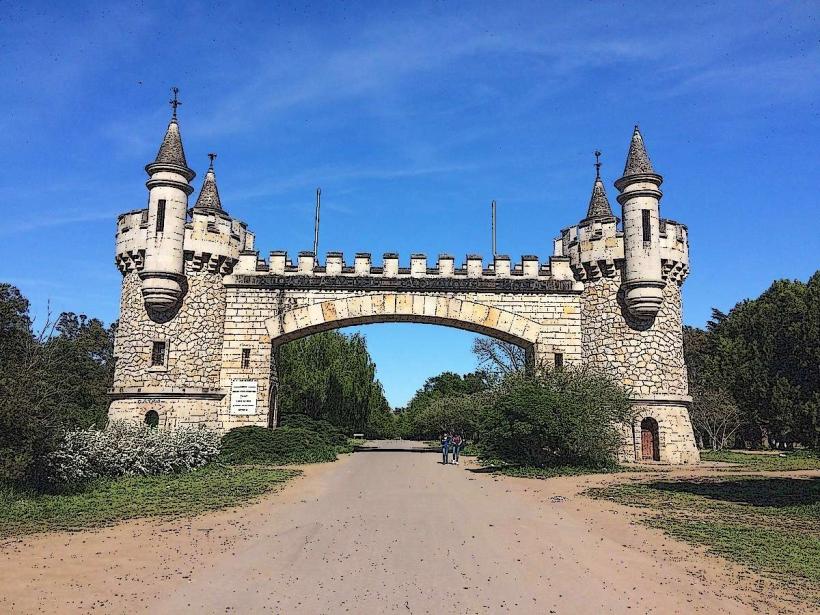
Information
Landmark: Parque Natural Laguna de los PadresCity: La Plata
Country: Argentina
Continent: South America
Parque Natural Laguna de los Padres, La Plata, Argentina, South America
Overview
Mind you, Parque Natural Laguna de los Padres, a peaceful stretch of wetlands and woods just beyond Mar del Plata in Argentina’s Buenos Aires Province, offers a quiet escape where you might hear ducks skimming across the water, subsequently the park, famous for its breathtaking scenery, stretches out around the calm Laguna de los Padres, where still blue water meets thick green forests, tangled wetlands, and dense brush.Nature lovers, birdwatchers, and outdoor adventurers will find plenty to explore here, from winding trails through varied ecosystems to the hush of leaves in the afternoon breeze, meanwhile founded in 2005, Parque Natural Laguna de los Padres was set aside to safeguard the region’s beauty and rich wildlife, especially the quiet blue lagoon and the green hills that cradle it, somewhat The park belongs to the Mar del Plata Natural Reserve System and helps protect the wetlands, where reeds sway in the breeze and herons stalk the shallows, to boot the lagoon has long been a hub for ecological research and a favorite spot to paddle or swim, attracting both locals and curious travelers.Key Highlights and Must-behold Spots 1, alternatively laguna de los Padres, known as The Lagoon, sits at the heart of the park, its still blue water reflecting the sky in a calm, picture-perfect scene.Perfect for boating or kayaking, the calm lagoon lets you glide across the glassy water with ease, furthermore fishing: The lagoon teems with fish-silver flashes darting just under the surface-and draws anglers in every season.Birdwatching: The area shelters many species, from graceful herons to noisy ducks splashing in the shallows, what’s more bird lovers will find it a fantastic spot, where vivid wings flash between the trees, to some extent Number two, likewise the park teems with life, from rustling forests to wide grasslands and quiet, glassy wetlands, kind of Not surprisingly, Vegetation includes native plants-willows with silver-green leaves, tall cypress trees, and rustling reeds-that fringe the lagoon’s edges, in addition wildlife: The park shelters capybaras, foxes, and a lively mix of amphibians and insects, from tiny tree frogs to glinting dragonflies.Visitors might spot a variety of birds-egrets gliding low over the water, ducks paddling in pairs, even a flash of blue from a kingfisher’s wings, then number three stood alone, a modest mark pressed shadowy into the page.The park’s hiking trails twist through sunlit meadows and shaded groves, giving visitors a close-up scan at its rich and varied landscapes, consequently you can join a guided tour to explore the park’s rich history and learn about its ecology, from the scent of pine needles underfoot to the calls of distant birds, somewhat Funny enough, Some trails open up to sweeping views of the lagoon, where sunlight shimmers on the water, while others lead you deep into quiet forests and tangled wetlands, likewise number four.I think, Picnic tables dot the park, offering shady spots perfect for family get‑togethers or a sandwich in the open air, to boot the park stays tidy, with benches tucked under shady trees where visitors can sit back and take in the quiet rustle of leaves.Number five comes next, neat as a single chalk mark on the board, as well as the park’s interpretive centers welcome visitors with hands-on exhibits, from the scent of fresh pine to maps tracing local wildlife habitats, all highlighting the region’s ecosystems and conservation work.These centers share details about the local wildlife and plants-like the sharp scent of pine or the flash of a red-tailed hawk-so visitors can understand why protecting these habitats matters, and the best time to visit is spring and summer, from October to March, when the days are warm and perfect for hiking mountain trails, spotting sparkling kingfishers, or gliding across the water in a miniature boat.From April to September, the air turns crisp, yet the park stays calm and uncrowded-a quiet refuge for anyone craving solitude or the soft rustle of leaves underfoot, subsequently getting there’s easy-you’ll find it on Ruta 226 in Mar del Plata, Buenos Aires Province, Argentina, with the road stretching straight toward the sea.By car, you can reach the park from Mar del Plata in about 30 minutes-roughly a 20‑kilometer trip past low dunes and windswept grass, then you’ll find it just off National Route 226, where the asphalt hums under passing tires, mildly Public transport’s easy-local buses run from Mar del Plata straight to the park, their windows rattling as they roll past the coast, as well as still, driving lets you explore the park at your own pace-stop for a quick photo when sunlight hits the lake just right.Tucked away from the crowds, Parque Natural Laguna de los Padres offers a rare mix of lush scenery, lively wildlife, and plenty of ways to explore the outdoors-even the sound of birdsong follows you along the trails, not only that you might spend the morning paddling across the quiet lagoon, wander shaded forest trails in the afternoon, or just stretch out on a blanket for a peaceful picnic-this reserve is your easy getaway from the city.If you love nature, watch for herons gliding over the water or simply want to soak in Argentina’s wetlands and rugged coasts, this setting belongs on your list.
Author: Tourist Landmarks
Date: 2025-09-17