Information
Landmark: Pele IslandCity: Temotu Province
Country: Solomon Islands
Continent: Australia
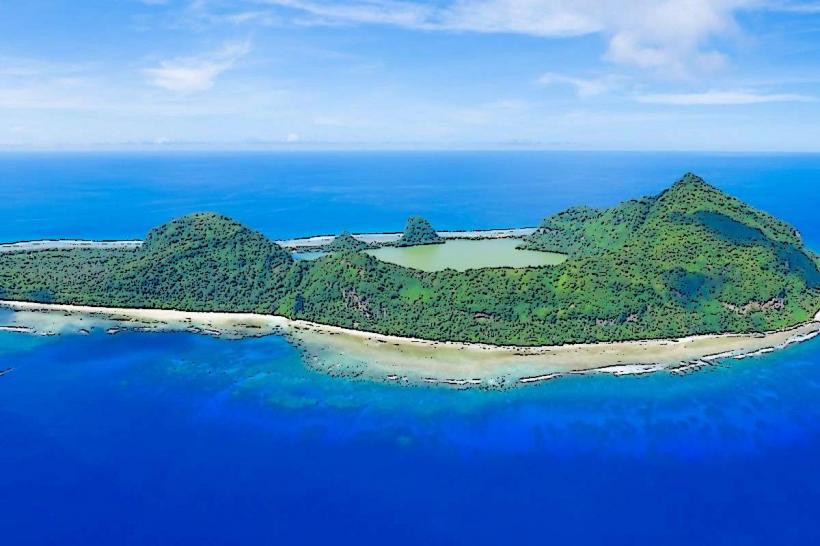
Pele Island, Temotu Province, Solomon Islands, Australia
Pele Island – A Tranquil and Historic Gem of the Solomon Islands
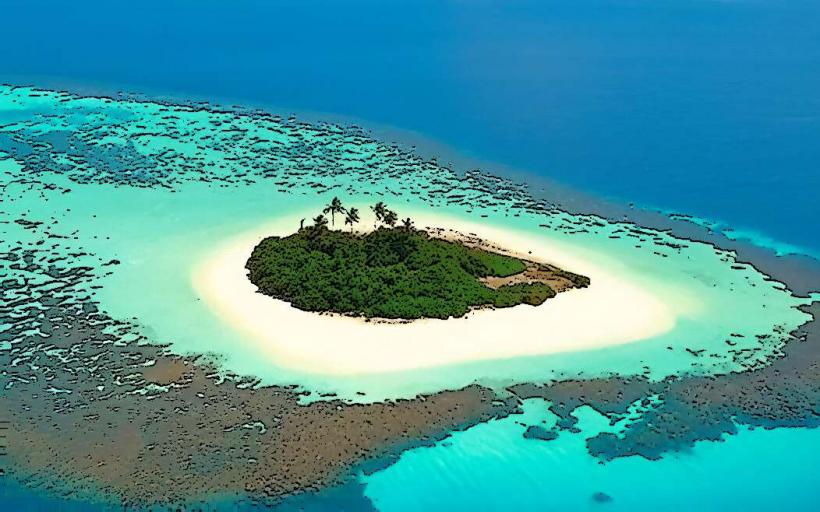
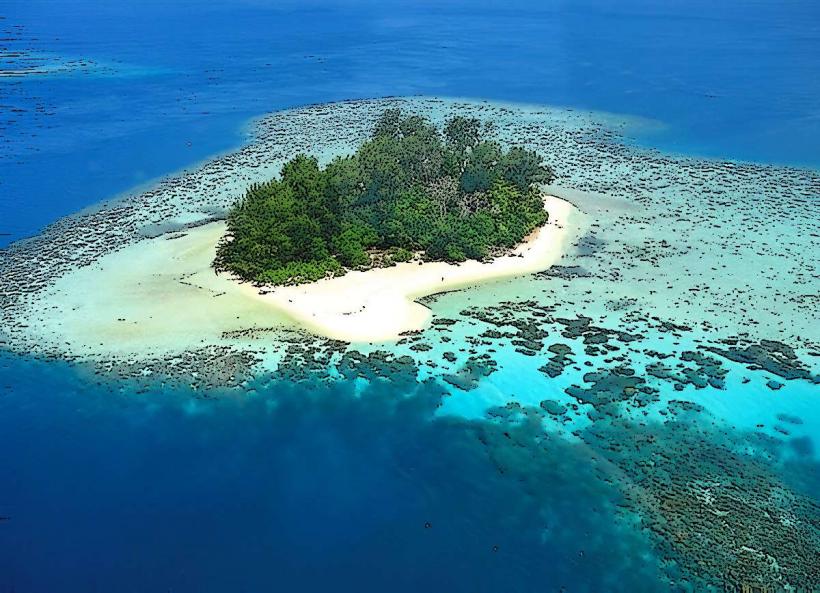
Pele Island is a small yet historically significant island in the Central Province of the Solomon Islands. Known for its pristine beaches, lush greenery, and historical ties to the region's traditional life and colonial past, Pele Island offers a peaceful atmosphere with a blend of natural beauty and cultural heritage.
Geography and Location
- Country: Solomon Islands
- Province: Central Province
- Location:
- Pele Island is located in the central part of the Solomon Islands, just southwest of Guadalcanal, the largest island in the country.
- The island is part of the Florida Islands group, positioned in the Coral Sea.
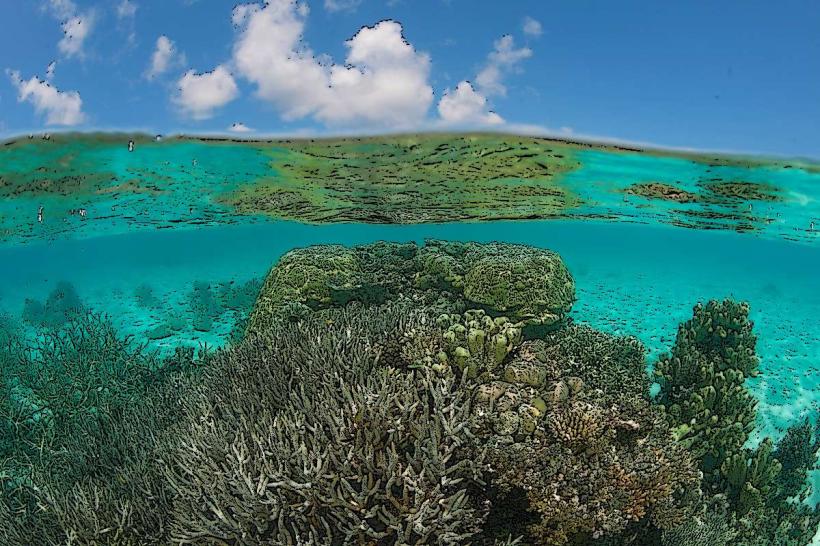
- It is surrounded by clear waters, coral reefs, and small islets, making it a serene destination.
History and Cultural Significance
Traditional Society and Culture
- Pele Island is home to a small Melanesian community that has preserved many of the traditional ways of life.
- Islanders practice subsistence farming, growing crops such as yams, bananas, and cassava, as well as fishing for local consumption.
- The community is also known for their traditional weaving and craftsmanship, including woven mats, baskets, and shell jewelry.
Historical Role During World War II
- Pele Island has historical significance due to its involvement during World War II.
- The island was an important strategic location during the war and was occupied by Japanese forces at certain points. There are remnants of war-related structures, such as bunkers and artillery placements, scattered across the island, which serve as a reminder of the past.
- World War II-era shipwrecks and military relics can still be found in the surrounding waters, making it a site of interest for those interested in the war history of the Pacific region.
Colonial Influence
- Pele Island, like many other islands in the Solomon Islands, was affected by the colonial presence during the time of the British Solomon Islands Protectorate.
- The island has a legacy of Western missionary activities, which influenced the community’s religious practices and education.
Economy and Livelihoods
- Fishing and Marine Resources
- The residents of Pele Island rely heavily on subsistence fishing for food and income.
- The surrounding waters are abundant with fish, shellfish, and sea cucumbers, which are important sources of nutrition and commerce for the local community.
- Agriculture
- The islanders grow a variety of crops, including coconuts, cassava, bananas, and taro.
- The fertile soil of Pele Island supports its agricultural activities, and these crops are vital for daily living and local trade.
- Handicrafts and Trade
- The island’s craftspeople create woven items, including bags, baskets, and mats, which are sold in nearby markets or traded with other islands.
- The handicrafts are made from local materials such as coconut husks, pandanus leaves, and sugar cane.
Tourist Attractions and Activities
- World War II Relics and Historical Sites
- Pele Island is home to wartime relics, including bunkers, artillery, and military remnants. These sites attract history enthusiasts who are interested in World War II history and the Pacific War.
- Snorkeling and Diving
- The surrounding coral reefs provide opportunities for snorkeling and scuba diving, with visitors able to observe the vibrant marine life and explore the underwater landscapes.
- Shipwrecks from the World War II era, as well as the rich coral ecosystems, make the area a diving haven.
- Village Tours and Cultural Experiences
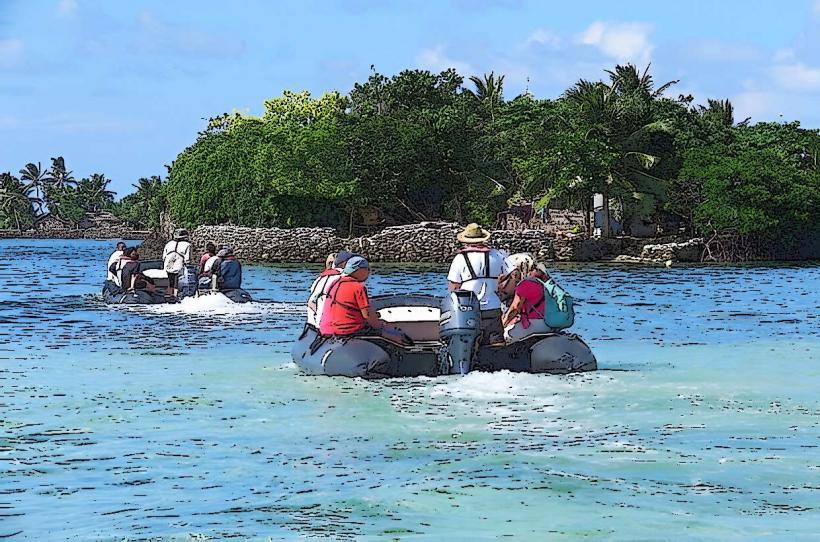
- Visitors can experience the traditional lifestyle of Pele Island’s inhabitants by engaging in village tours.
- Learn about the island's customs, farming techniques, and craftsmanship, and witness traditional dances and rituals.
- Eco-Tourism and Nature Walks
- Pele Island's lush tropical environment offers opportunities for eco-tourism and nature walks, where visitors can explore the island’s forests, beaches, and mangroves.
- The island is also home to birdlife, flora, and fauna that attract nature lovers.
Challenges and Conservation Efforts
- Climate Change and Rising Sea Levels
- Pele Island, like many other low-lying islands in the Solomon Islands, is vulnerable to the impacts of climate change, including rising sea levels and coastal erosion.
- The island’s community is aware of these risks and is working toward adaptation strategies to protect their homes and livelihoods.
- Sustainable Resource Management
- Overfishing and environmental degradation are ongoing concerns. Efforts are being made to ensure the sustainable management of the island’s marine resources and agricultural practices.
- Preservation of Culture
- As modernization and urbanization impact the younger generation, there are efforts on the island to preserve traditional knowledge, languages, and customs.
- The community works to balance economic development with the preservation of cultural heritage.
Conclusion
Pele Island offers a unique combination of natural beauty, historical significance, and traditional island life. Its war history, breathtaking landscapes, and vibrant culture make it a fascinating destination for travelers. While facing challenges such as climate change and the need for sustainable resource management, Pele Island remains a tranquil and culturally rich place to explore and experience.