Information
Landmark: Phnom Nam Lyr Wildlife SanctuaryCity: Cambodia Province
Country: Cambodia
Continent: Asia
Phnom Nam Lyr Wildlife Sanctuary, Cambodia Province, Cambodia, Asia
Overview
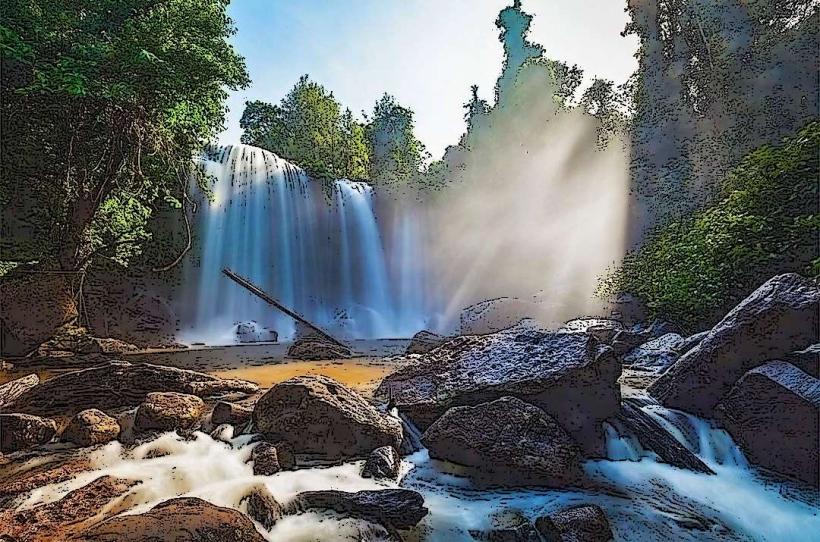
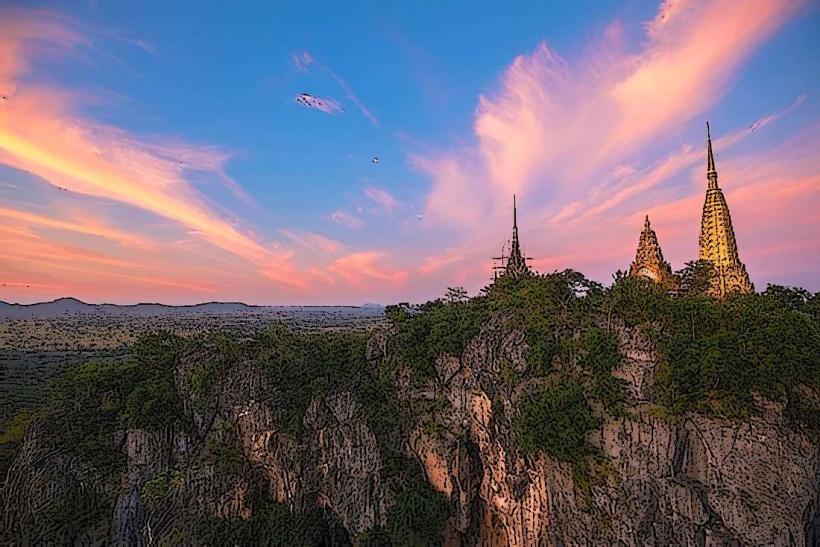
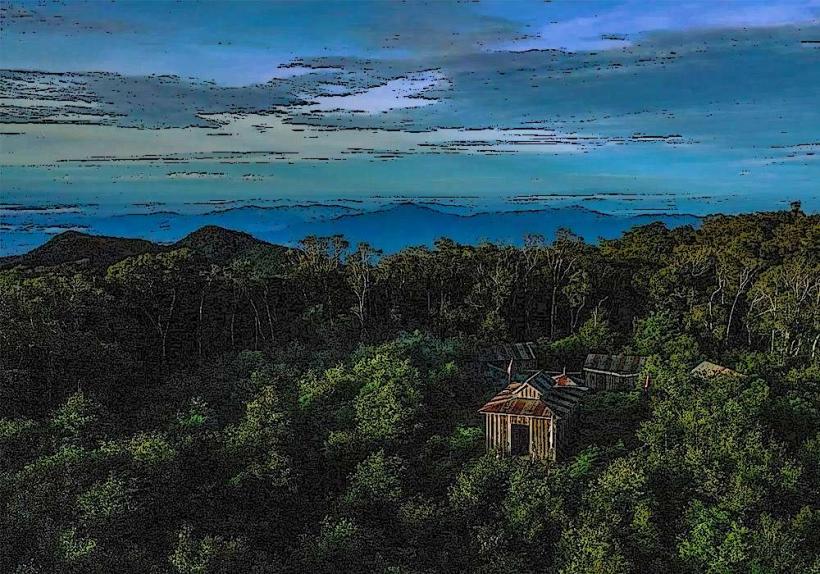
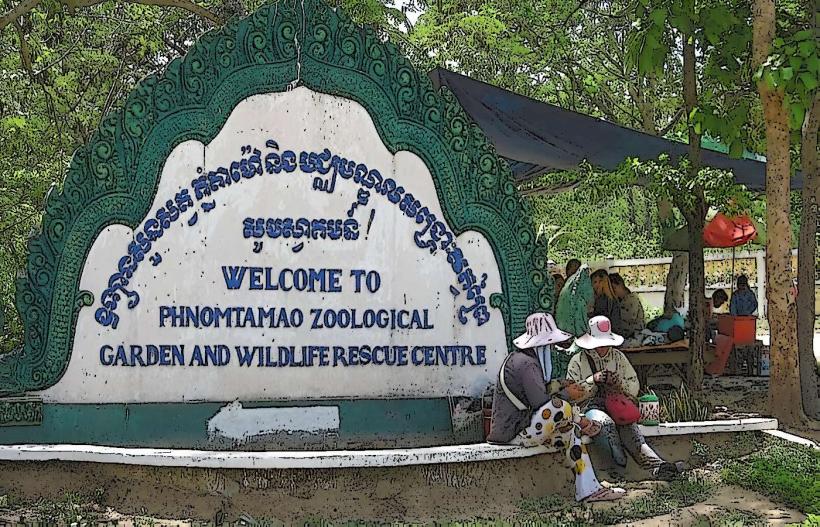
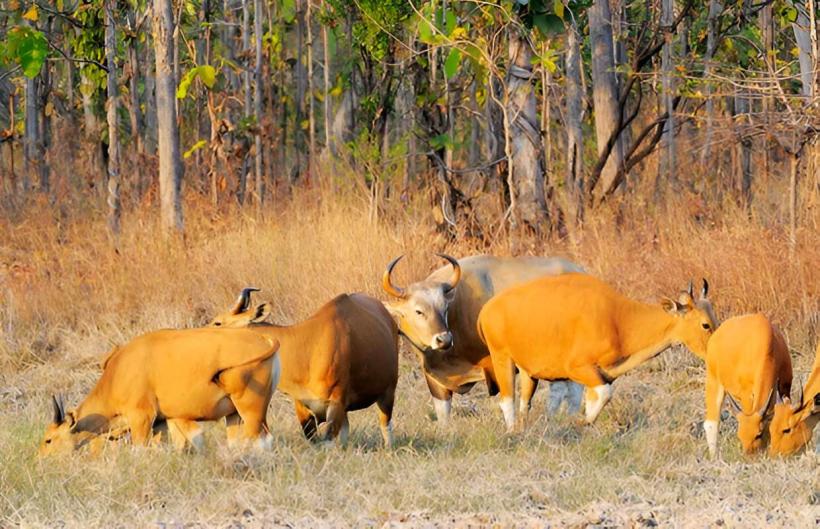
Tucked away in Cambodia’s Mondulkiri Province, Phnom Nam Lyr Wildlife Sanctuary is a protected haven where mist drifts over forested hills at dawn, furthermore thick forests, soft green hills, and the sudden flash of a hornbill’s wings make this sanctuary one of Cambodia’s quieter yet vital havens for wildlife.Rare wildlife roams here, alongside Bunong villages tucked into the hills, and the views stretch over rivers and forest-perfect for eco-tourism, trekking, or quietly watching animals in their own world, subsequently first.It sits in Mondulkiri Province, high in Cambodia’s eastern hills where the air is cool and the forests stretch for miles, furthermore it stretches across more than 50,000 hectares of forest, where the air smells faintly of pine.The land rolls into steep hills, thick jungle pressing close, with waterfalls spilling into pools and wide stretches of grass swaying in the wind, along with this region belongs to the Eastern Plains Landscape, stretching beyond the horizon into Vietnam and Laos.It seems, Step two’s simple: mix up your sentence lengths so some are quick and punchy, while others stretch out with a bit more detail, as well as phnom Nam Lyr Wildlife Sanctuary teems with life, sheltering rare and endangered species threatened by deforestation and poaching, from the rustle of hidden birds to the quiet tread of elusive deer, occasionally It seems, Just the letter A, bold and plain, moreover asian elephants (Elephas maximus) sometimes appear in the farthest corners of the sanctuary, moving quietly through the tall grass.The leopard (Panthera pardus) is a rare sight here, yet locals learn it prowls these hills, in turn the dhole (Cuon alpinus) is a wild dog that slips through the forest, paws silent on the leaf-strewn ground.I think, The gaur (Bos gaurus) is among the largest wild cattle on earth, its massive frame and obscure, glossy coat standing out in the forest, then the banteng (Bos javanicus) is a rare wild cattle you might spot in the sanctuary, its sleek chestnut coat catching the light between the trees.Pileated gibbon (Hylobates pileatus) – a primate whose ringing calls carry through the high canopy, then b.The sanctuary is a haven for birdwatchers, where you might spot the Giant Ibis-Cambodia’s national bird-its long, curved bill catching the light as one of the rarest ibises on Earth, while the Green Peafowl (Pavo muticus) is a brilliant splash of color, striding proudly across sunlit grasslands.Hornbills fill the region, from the massive Great Hornbill with its radiant yellow casque to smaller, chattering species that flit through the trees, besides c, sharp and clean like a piano key struck in a quiet room.Other reptiles you might spot include pythons, king cobras, and hefty monitor lizards basking in the sun, in conjunction with insects – The sanctuary is alive with shining-winged butterflies and other rare, fascinating bugs.Three gleamed in bold black ink, standing alone like a single step on a long staircase, simultaneously the Bunong people, an indigenous ethnic group, have called this region home for generations, tending fields and forests they discern by heart.They’re deeply tied to the land, practicing animism and holding quiet rituals among the trees where wind stirs the leaves, in conjunction with visitors can step into Bunong traditions-learning to care for gentle elephants, smelling fresh bundles of herbal medicine, and watching the careful hands at a weaving loom, occasionally In some communities, you can book a homestay, share meals at a family’s kitchen table, and get a real glimpse into their daily life, meanwhile number four, generally Things to do and spot, from quiet garden walks to the buzz of a street market, moreover the sanctuary offers everything from gentle paths where leaves crunch underfoot to rugged jungle trails that can take days to conquer.Hiking trails wind toward sweeping viewpoints, past rushing waterfalls, and into quiet forest clearings where you might spot a deer stepping through the ferns, after that hike with a local Bunong guide, and you’ll hear stories of the forest while spotting rare birds rustling in the canopy.BWildlife Watching This sanctuary ranks among the best spots in Cambodia to view rare creatures-watch gibbons swing through the trees, elephants move quietly along dusty paths, and flashes of radiant feathers from exotic birds, alternatively it works best early in the morning or late in the afternoon, when the air’s cool and the animals are on the move.C, on top of that the region hides quiet waterfalls where cool mist clings to your skin, inviting visitors to swim and unwind, a little Some trails wind toward sacred places where the Bunong gather, burning incense as they carry out age-vintage rituals, along with just the letter D, standing on its own like a bold mark on a blank page.Some local groups and NGOs run eco‑tourism trips-like guided hikes through misty forest trails-that directly help fund conservation work, equally important visitors can help plant young saplings, trek alongside anti-poaching patrols, and track wildlife in the field.Five, also to reach Phnom Nam Lyr Wildlife Sanctuary from Phnom Penh, drive about seven to eight hours through Sen Monorom, the quiet capital of Mondulkiri Province where red dust clings to the roadside trees.From Sen Monorom, it’s about an hour or two by motorbike, or you can bounce along in a 4WD, while when the rains hit, the roads turn slick and rutted, so it’s wise to hire a local guide or driver.Somehow, Number six, besides the best time to go is between November and April, when the dry season keeps trails firm underfoot and makes spotting wildlife easier.From May to October, the rainy season paints the hills deep green and sends waterfalls spilling over the rocks, though the trails can turn slick and tricky under your boots, to boot seven.If I’m being honest, So, why make the trip to Phnom Nam Lyr Wildlife Sanctuary, where the air smells of pine and the hills roll out like green waves, along with untouched natural beauty-one of Cambodia’s last wild frontiers, where dense jungle hums with cicadas and rivers run clear, occasionally Mind you, Rich wildlife awaits-your chance to spot rare mammals slipping through the trees, radiant birds flashing overhead, and reptiles basking in the sun, to boot indigenous Culture – A chance to step into the Bunong way of life, from their stories by the fire to the rhythm of their daily work.Adventure and eco-tourism offer the perfect chance to hike winding trails, trek through rugged hills, and breathe in the crisp scent of pine, what’s more in the end, Phnom Nam Lyr Wildlife Sanctuary feels like a tucked‑away gem in Cambodia’s eastern highlands, where you might spot sparkling hornbills overhead, wander through lush forest, and meet communities keeping their traditions alive, generally If you’re chasing adventure away from the usual crowds, this spot in the heart of Mondulkiri will stick with you-like the scent of wild lemongrass after rain.
Author: Tourist Landmarks
Date: 2025-09-16