Information
Landmark: Plaza de ArmasCity: Piura
Country: Peru
Continent: South America
Plaza de Armas, Piura, Peru, South America
The Plaza de Armas in Piura is the central and historic heart of the city, located in the downtown area. It is not only the city's main public square but also a key symbol of Piura's colonial history and culture. The plaza is surrounded by important landmarks, including the Piura Cathedral, government buildings, and historical structures that reflect the city's development over centuries.
Overview of Plaza de Armas
- Location: The Plaza de Armas is located in the center of Piura, the capital of the Piura region in northern Peru. It serves as the focal point for social, political, and cultural life in the city.
- Significance: As the city's main square, the Plaza de Armas has been the site of numerous historical events, including the foundation of Piura by Francisco Pizarro in 1532. The plaza has witnessed centuries of cultural and political activity, making it a key element of Piura's identity.
Historical Background
The Plaza de Armas was established when Piura was founded in the early 16th century, making it one of the oldest public squares in Peru. Since its foundation, the square has served as the site for religious, political, and social gatherings.
Colonial Period: During the colonial era, the Plaza de Armas was a key location for the Spanish authorities, with buildings like the Piura Cathedral and the Palace of the Governor (now housing government offices) surrounding the square. The plaza was used for public ceremonies, marketplaces, and religious processions.
Independence and Modern Era: The plaza continued to play a role in Piura's independence from Spain and the subsequent development of the city. Over the years, the square has been renovated and adapted to modern needs while still maintaining its historical charm.
Key Features of the Plaza de Armas
Piura Cathedral:
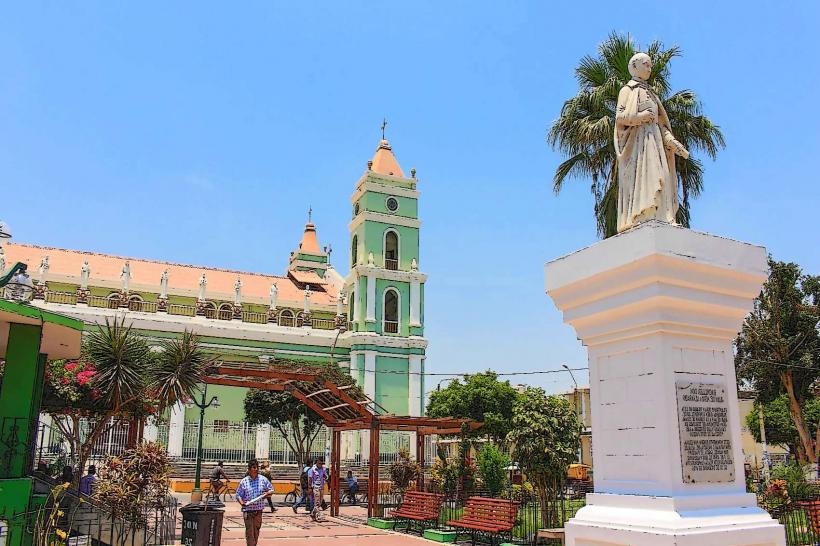
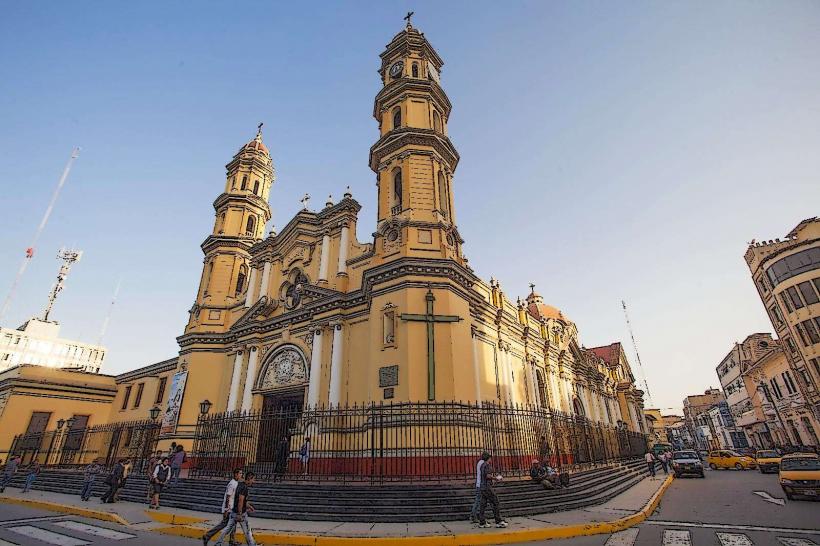
- The Piura Cathedral (Catedral de Piura) is the most prominent building on the plaza, located on the western side. It is a Baroque-style church with colonial-era origins, and it remains the center of religious life in the city.
Fountain and Landscaping:
- The plaza features a central fountain, which is often surrounded by manicured gardens and trees. These lush green spaces offer a relaxing environment for visitors and locals alike. The well-maintained landscaping adds to the beauty of the square and its welcoming atmosphere.
Government Buildings:
- On the northern side of the plaza is the Municipal Palace (Palacio Municipal), which houses the local government. The building is an important historical and administrative structure, often involved in the city's civic events and ceremonies.
- The Palace of the Governor, located on the eastern side of the square, was once the administrative center for the Spanish colonial government. Today, it houses offices that continue to play a key role in the city’s governance.
Monument to Francisco Pizarro:
- The plaza is home to a statue of Francisco Pizarro, the Spanish conquistador who founded Piura in 1532. The monument commemorates his role in the city's establishment and highlights the city’s historical significance as one of the first Spanish settlements in Peru.
Colonial Architecture:
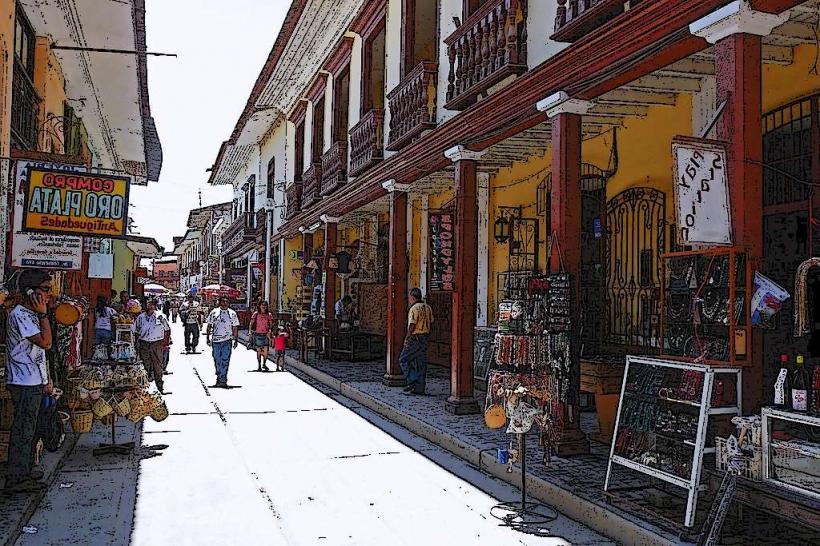
- Many of the buildings surrounding the Plaza de Armas are examples of colonial architecture, with arched doorways, intricate wooden balconies, and terracotta-tiled roofs that reflect the Spanish influence on Piura’s urban landscape.
- These buildings have been carefully preserved and continue to serve as shops, restaurants, and government offices.
Cultural Significance and Events
The Plaza de Armas is a cultural center for Piura, where important events, festivals, and civic activities take place.
Religious Celebrations:
- The Plaza de Armas plays a central role in the religious festivals of Piura, including the Fiesta de la Virgen de la Natividad and Semana Santa (Holy Week). These events often involve processions and mass celebrations that begin and end at the cathedral in the plaza.
Public Gatherings and Protests:
- The square has been a site for various political events and public gatherings. Over the years, it has been the scene of rallies, protests, and speeches by both local and national figures.
Local Festivals:
- The plaza is also a venue for local cultural festivals, such as the Piura Cultural Festival, where music, dance, and local traditions are showcased. These festivals draw people from throughout the region and beyond, making the plaza a lively, vibrant hub during these celebrations.
Modern Role of the Plaza de Armas
Today, the Plaza de Armas continues to be a dynamic space where both locals and tourists gather. It serves as:
- A tourist attraction, where visitors can enjoy the historical architecture, relax in the square’s gardens, or take in the local atmosphere.
- A meeting point for both locals and tourists, with many cafes, shops, and restaurants lining the square.
- A symbol of Piura’s heritage, with its historical buildings and monuments offering a glimpse into the city’s colonial past.
Visiting the Plaza de Armas
Accessibility: The Plaza de Armas is easily accessible from all parts of Piura, and it is a popular destination for both tourists and locals. The plaza is pedestrian-friendly, with wide walkways and plenty of seating areas for visitors to relax.
Nearby Attractions: In addition to the Piura Cathedral and Government Buildings, the plaza is close to other key landmarks, such as the Museum of Piura, Calle Ayabaca, and the Colonial-era houses that surround the area. It is also a short walk from some of the city’s most popular shops and restaurants.
Best Time to Visit: The plaza is lively throughout the day, but it is especially vibrant in the evening, when the city’s lights illuminate the square and the nearby buildings. It is a popular spot for evening strolls, as locals gather to socialize, enjoy street performances, and partake in the local cuisine from nearby vendors.
Conclusion
The Plaza de Armas in Piura is a beautiful and historically rich square that embodies the city’s colonial past and modern vibrancy. With its central location, stunning architecture, and role as the heart of civic and cultural life, it remains a must-visit destination for anyone exploring Piura. Whether you're interested in history, architecture, or simply soaking in the local atmosphere, the Plaza de Armas offers a unique and engaging experience.