Information
Landmark: Praça do CarmoCity: Olinda
Country: Brazil
Continent: South America
Praça do Carmo, Olinda, Brazil, South America
Praça do Carmo is a public square located in the historic center of Olinda, Brazil. It serves as a central point within the city's UNESCO World Heritage site.
Visual Characteristics
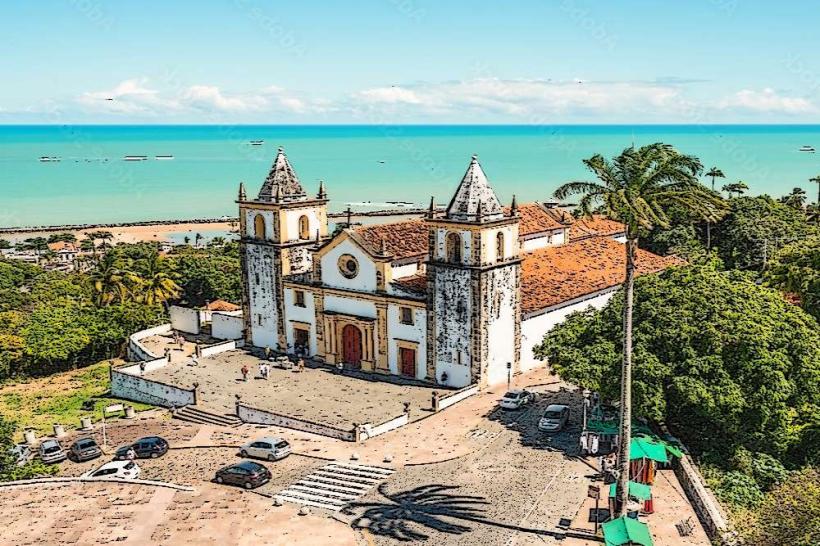
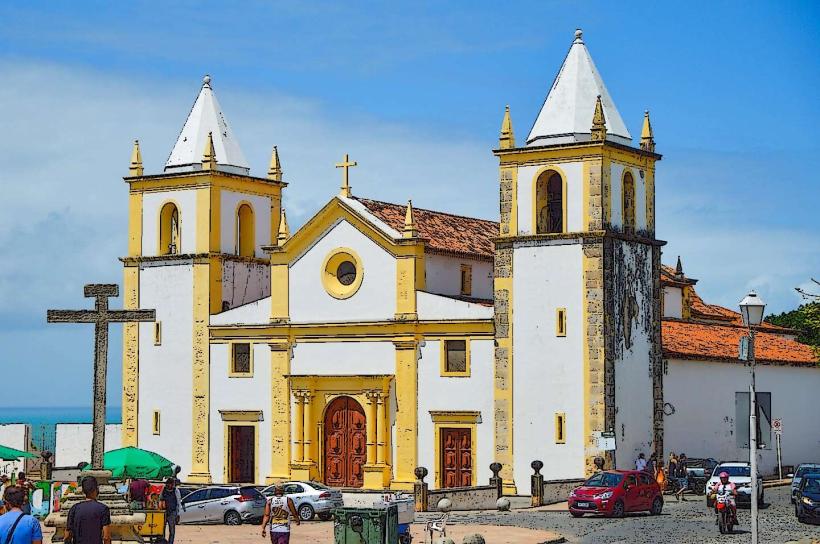
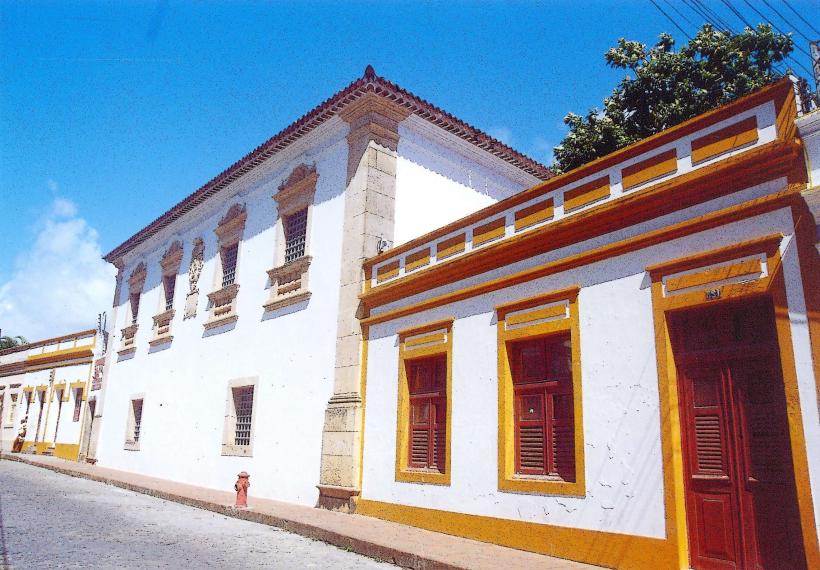
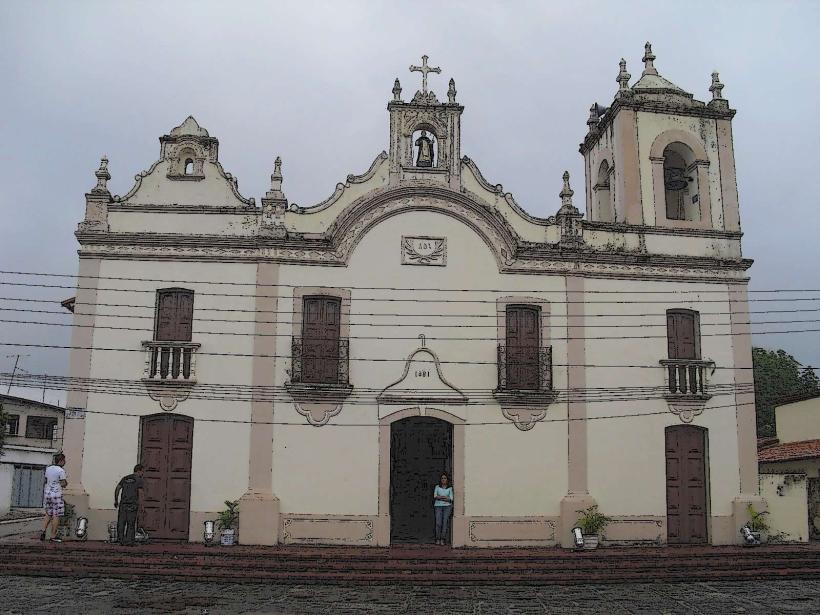
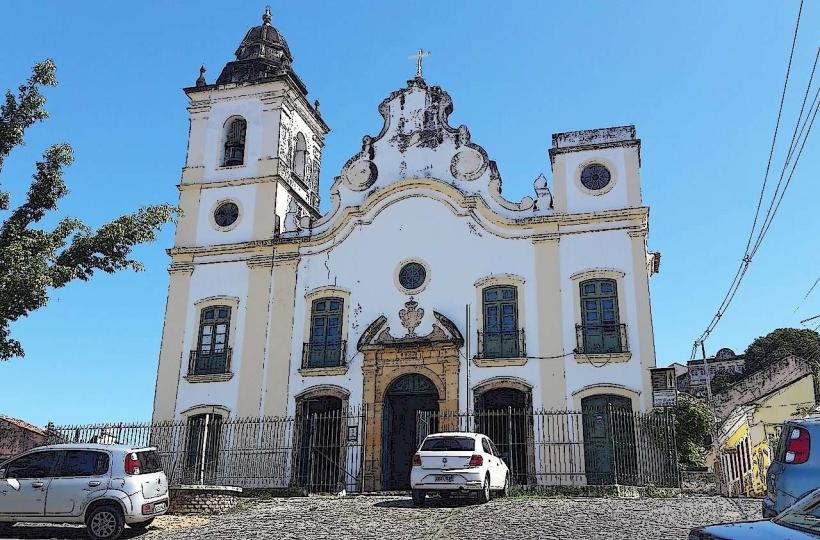
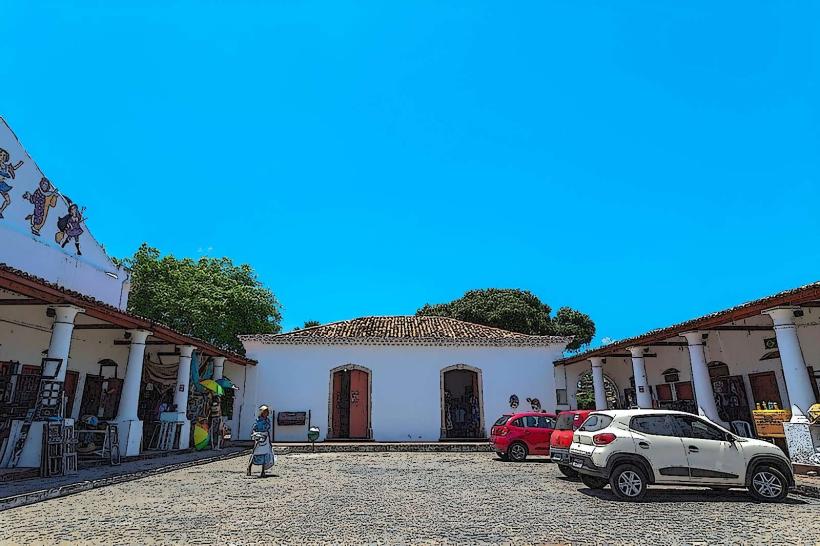
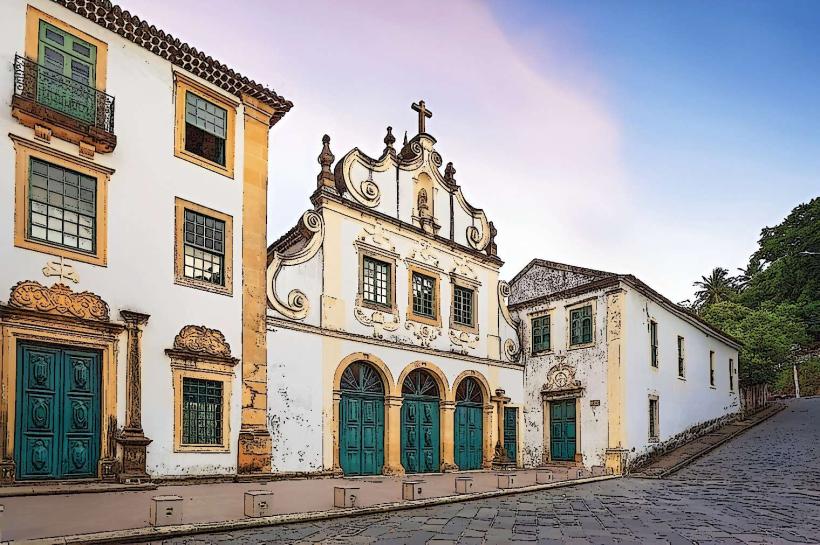
The square is paved with traditional Portuguese cobblestones. It is bordered by colonial-era buildings constructed primarily from stone and stucco, painted in muted earth tones and pastels. The Carmo Church, a prominent structure on the square, features a simple facade with two bell towers and a wooden roof.
Location & Access Logistics
Praça do Carmo is situated in the upper part of Olinda, approximately 7 kilometers northeast of Recife's city center. Access is via Avenida Olinda, which leads directly to the square. Limited street parking is available in the vicinity, often requiring a short walk. Public bus lines 370 and 371 from Recife stop at the base of the hill, requiring an uphill walk or a short taxi ride to reach the square.
Historical & Ecological Origin
The square and its surrounding buildings date back to the 17th century, with the Carmo Church construction beginning in 1654. It was part of the Carmelite Order's presence in Olinda, serving religious and community functions. The area is situated on a hillside, a common characteristic of Olinda's urban development, which was influenced by the need for defensive positions and access to fresh water sources.
Key Highlights & Activities
Visitors can observe the architecture of the Carmo Church and its adjacent convent ruins. The square provides vantage points for viewing the surrounding cityscape and the Atlantic Ocean. Local artisans often display and sell their work in the square, particularly during festival periods.
Infrastructure & Amenities
Restrooms are available within the Carmo Church complex during opening hours. Limited shade is provided by mature trees at the square's perimeter. Cell phone signal (4G) is generally reliable. Food and beverage vendors are typically present on weekends and during events; otherwise, nearby cafes and restaurants are a short walk away.
Best Time to Visit
For photography, the late afternoon (approximately 4:00 PM to 5:30 PM) offers favorable lighting conditions. The months of September through March generally provide drier weather. No specific tide requirements affect access or activities.
Facts & Legends
A local anecdote suggests that during the Dutch occupation of the 17th century, the Carmelite friars hid valuable religious artifacts within the convent's walls to prevent their seizure. The exact location of these hidden items remains a subject of local folklore.
Nearby Landmarks
- Mosteiro de São Bento (0.3km West)
- Igreja da Misericórdia (0.4km Southwest)
- Alto da Sé (0.6km North)
- Museu de Arte Contemporânea de Pernambuco (0.8km South)