Information
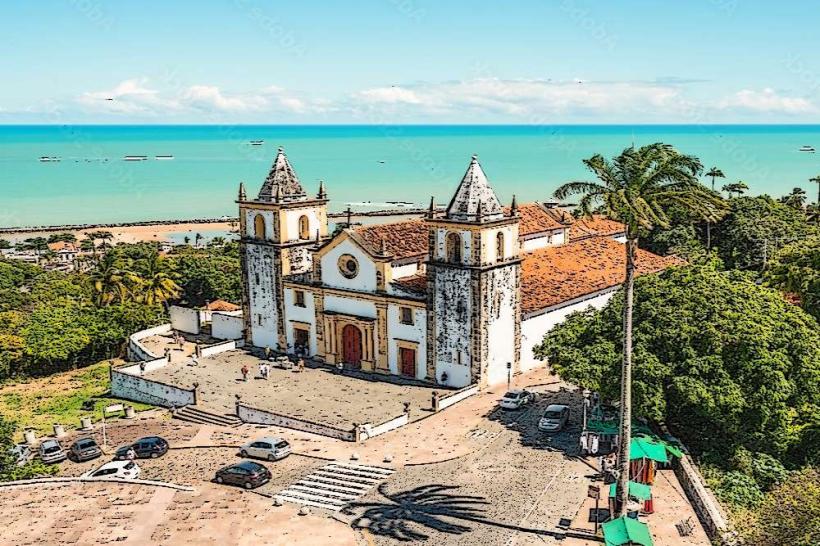
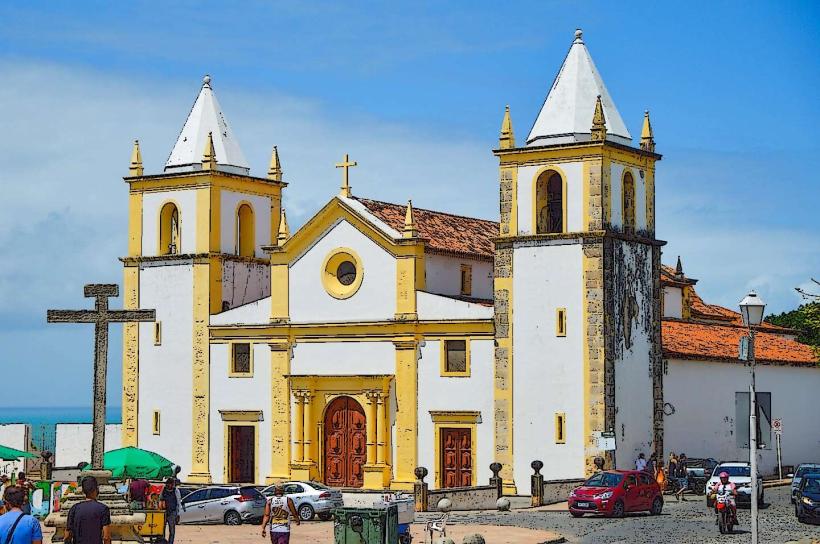
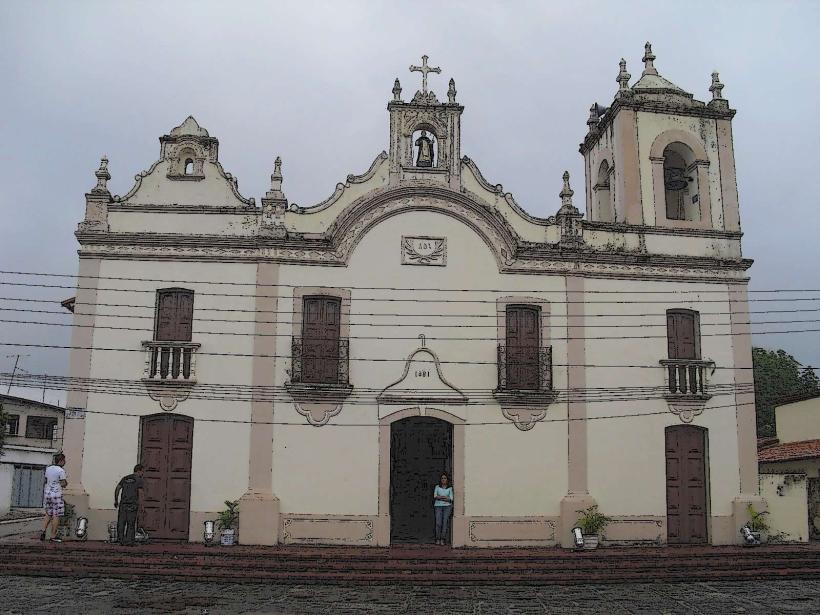
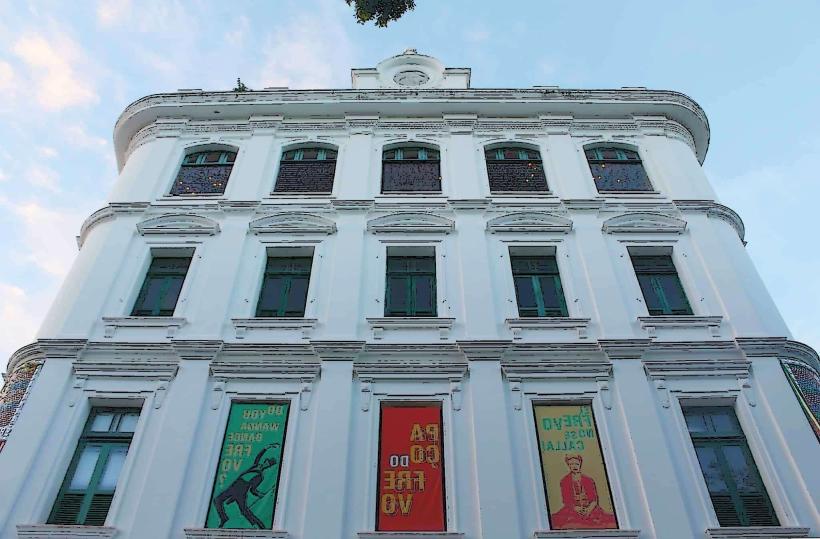
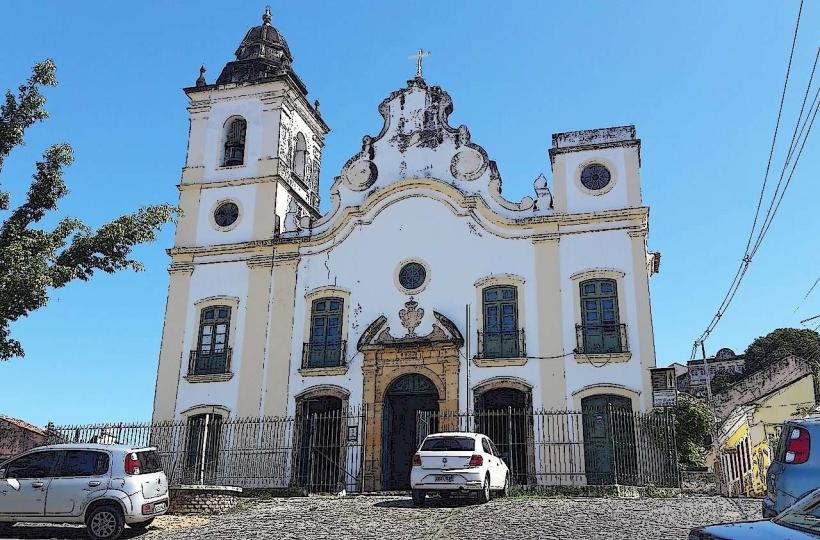
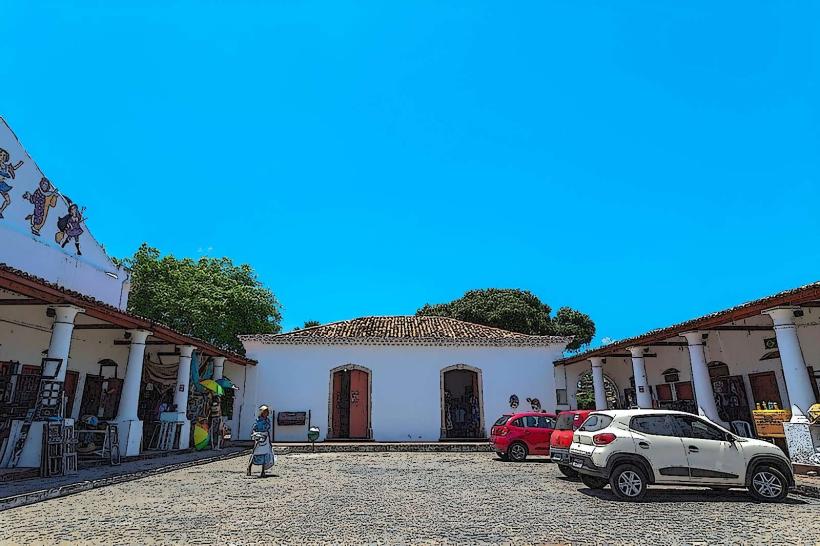
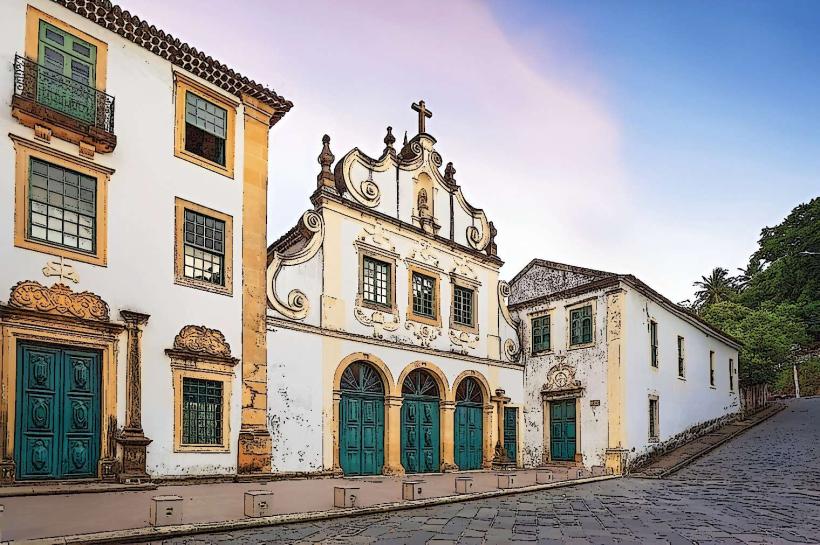
Landmark: Praça do CarmoCity: Olinda
Country: Brazil
Continent: South America
Praça do Carmo, Olinda, Brazil, South America
The Japanese Covered Bridge is a historic bridge located in Hoi An, Vietnam. It serves as a pedestrian crossing over a canal in the town's ancient quarter.
Visual Characteristics
The bridge is constructed primarily of wood, with a tiled, sloping roof providing shelter. It measures approximately 18 meters in length and 3 meters in width. The structure features a distinct architectural style, incorporating elements of both Vietnamese and Japanese design. Carvings adorn the wooden pillars and railings, depicting animals and floral motifs. A small temple dedicated to the god Tran Vo Bac De is situated within the covered section.
Location & Access Logistics
The Japanese Covered Bridge is situated in the heart of Hoi An's Ancient Town, specifically crossing the Nguyen Thi Minh Khai canal. It is accessible on foot from the main pedestrian streets of the town. No vehicular access is permitted directly to the bridge. Parking for bicycles and motorbikes is available at designated lots on the periphery of the Ancient Town, approximately 200 meters from the bridge.
Historical & Ecological Origin
Construction of the bridge is attributed to the Japanese community residing in Hoi An during the late 16th century, likely around 1593. Its original purpose was to connect the Japanese residential and commercial areas with the Chinese quarters, facilitating trade and interaction. The bridge spans a small canal, a man-made waterway within the urban landscape.
Key Highlights & Activities
Visitors can walk across the bridge, observing the architectural details and carvings. Photography of the bridge's exterior and interior is permitted. Entry into the small temple located on the bridge requires adherence to local customs. Observing the canal and the surrounding ancient town architecture from the bridge is a primary activity.
Infrastructure & Amenities
The bridge itself offers shelter from sun and rain due to its roof. There are no dedicated restroom facilities directly on the bridge. Cell phone signal (4G/5G) is generally available in this area of Hoi An. Food vendors and small shops are located in close proximity on the streets leading to and from the bridge.
Best Time to Visit
For optimal lighting conditions for photography, early morning (7:00 AM - 9:00 AM) or late afternoon (4:00 PM - 6:00 PM) is recommended, as the sun angle is less direct. The best months for visiting Hoi An, and thus the bridge, are generally from February to May, characterized by dry weather and moderate temperatures. Tidal fluctuations of the canal are minimal and do not impact access to the bridge.
Facts & Legends
A local legend states that the bridge was built to keep the monster "Nai" at bay. This creature was said to have its head in India, its tail in Japan, and its back in Vietnam. When the monster moved, earthquakes occurred. The bridge was constructed to pin the monster's back, preventing such disturbances. Another verified historical detail is the presence of two dog statues and two monkey statues at either end of the bridge, representing the years of its construction according to the Vietnamese zodiac.
Nearby Landmarks
- Tan Ky Old House (0.1km West)
- Hoi An Market (0.3km North)
- Assembly Hall of the Fujian Chinese Congregation (0.2km Northeast)
- Phuc Kien Chinese Assembly Hall (0.2km Northeast)
- Hoi An Museum (0.4km Northwest)