Information
Landmark: Puebla's Callejón de los SaposCity: Puebla
Country: Mexico
Continent: North America
Puebla's Callejón de los Sapos, Puebla, Mexico, North America
Overview
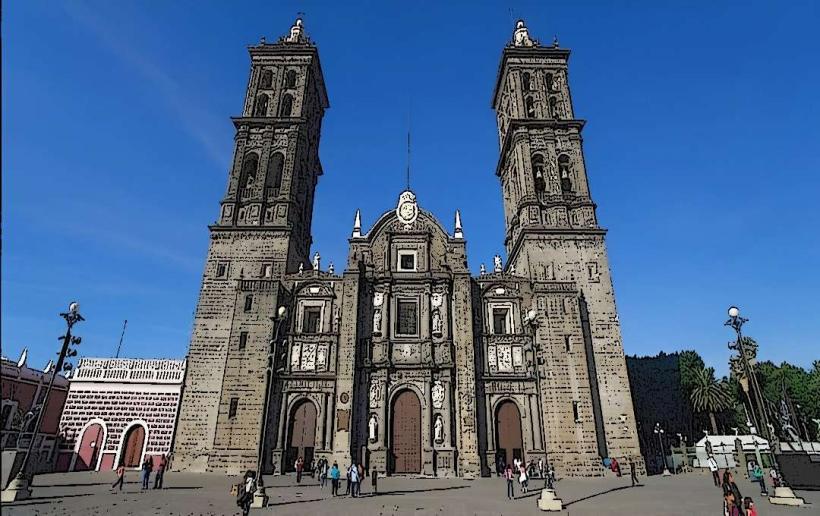
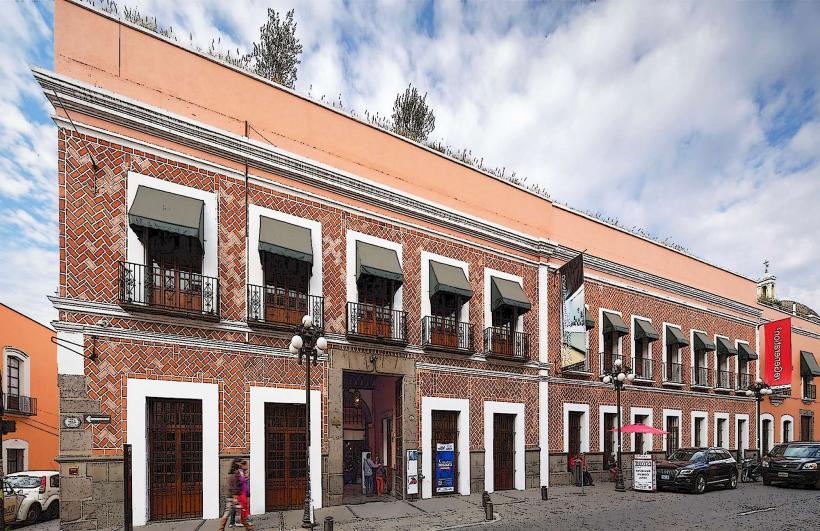
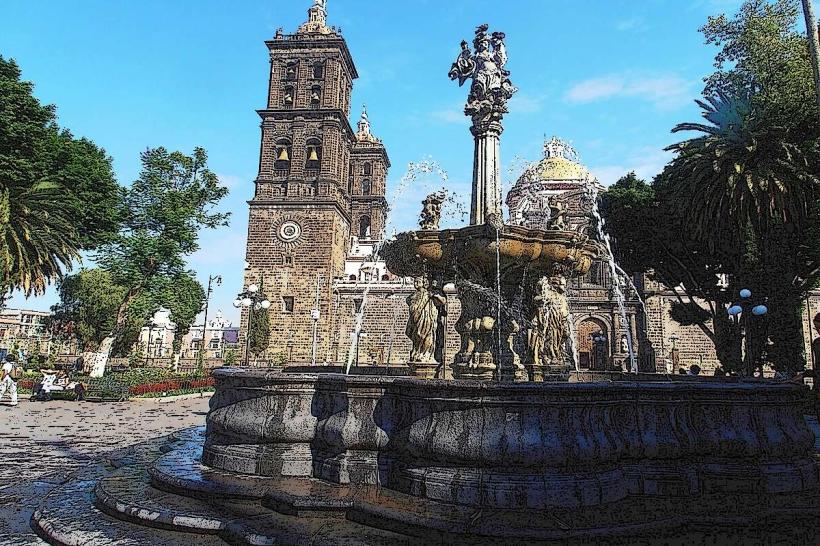
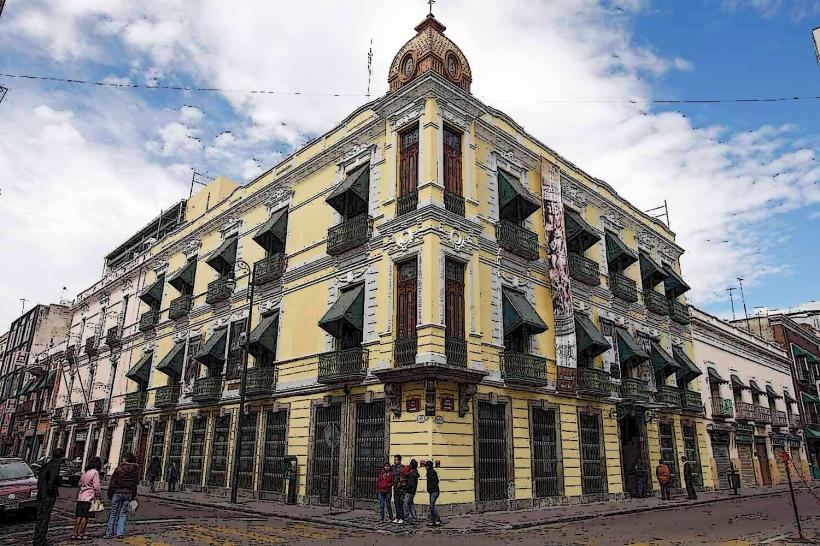
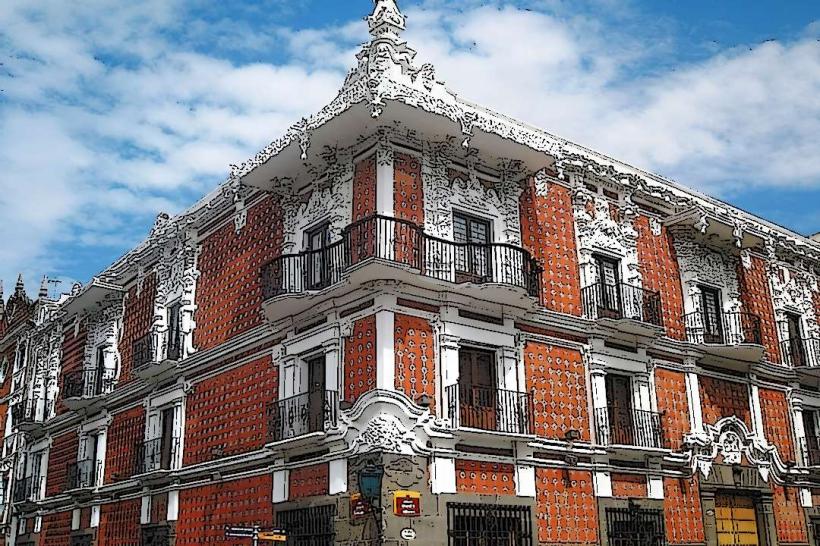
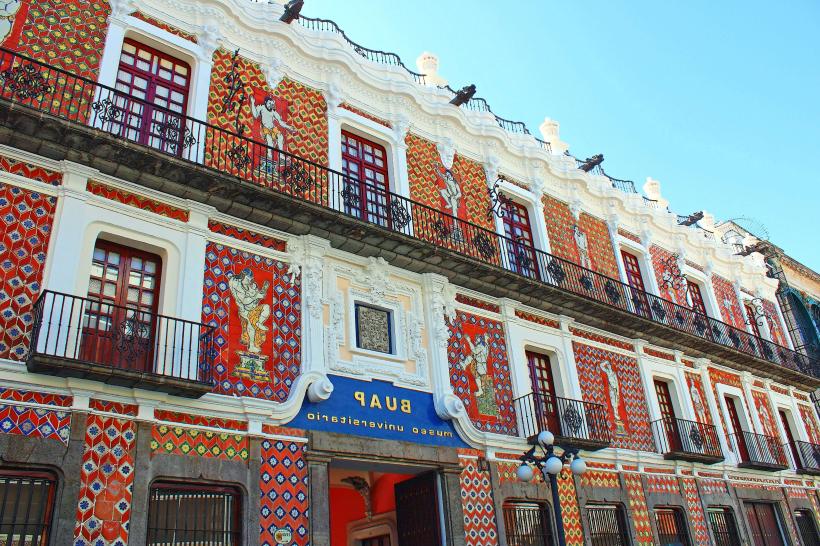
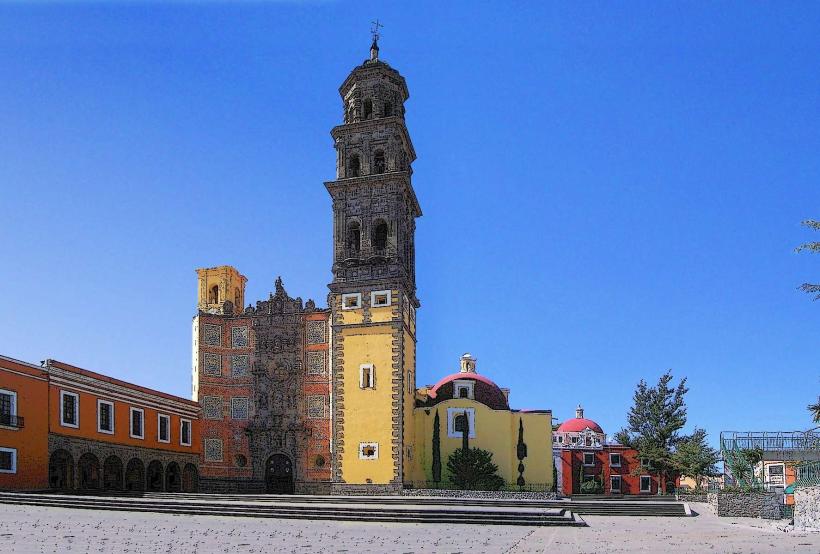
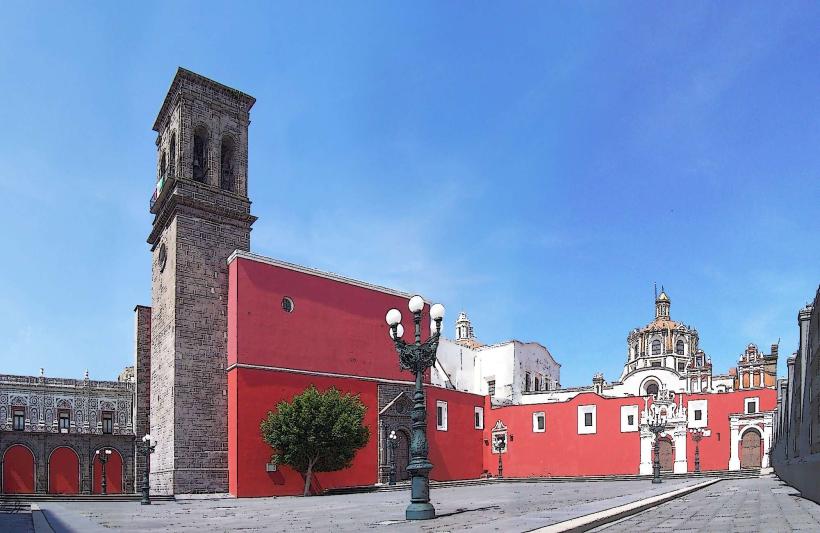
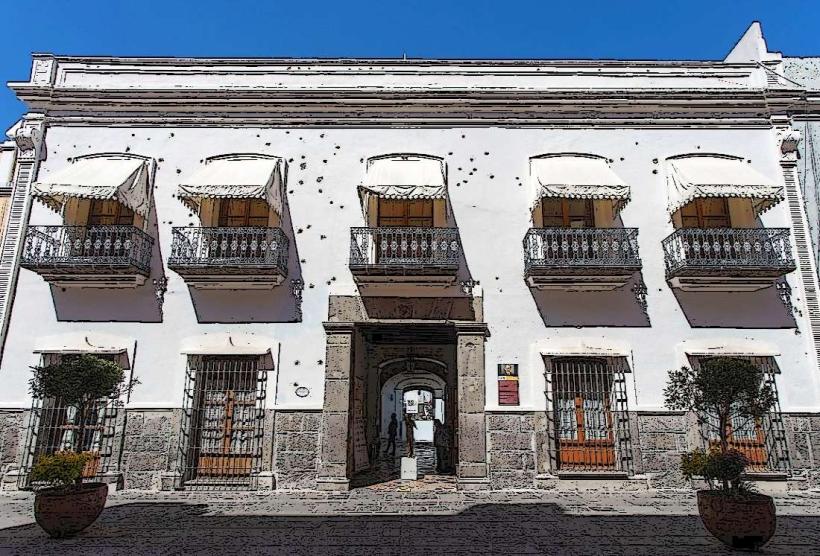
Callejón de los Sapos, or Alley of the Toads, winds through Puebla’s timeworn city, its colorful facades whispering stories from centuries past, moreover with its colonial facades, little antique shops, and a buzz of street music, it’s easily one of the city’s most charming and energetic corners.Let’s take a closer gaze at Callejón de los Sapos, where colorful houses line the narrow street, as well as callejón de los Sapos traces its roots to the 16th century, a time when Puebla bustled with merchants and the scent of fresh spices filled its busy streets.People say the alley got its name from the frogs-sapos-that used to live there, likely drawn by a nearby vintage water source or the damp, tucked-away corner where moisture clung to the stones, alternatively over the years, the alley has grown into a lively spot filled with antique stalls, luminous painted walls, and the hum of chatter and footsteps.It’s now a proud emblem of Puebla’s colonial past, drawing locals and visitors alike to its shaded plaza, simultaneously number two.Along Callejón de los Sapos, colonial-era buildings line the street, their facades splashed with sparkling paint, balconies framed in wrought iron, and cobblestones worn smooth underfoot, not only that some of the buildings, dating back to the 17th century, let you glimpse Puebla’s history and admire the warm stonework that defines its beauty.The alley is narrow, hemmed in by buildings in full colonial Baroque dress, with carved stone scrolls and graceful arches catching the late afternoon light, not only that walking down the alley, you’ll spot intricate tilework, carved details, and graceful archways, each echoing the style of the era.Number three, furthermore callejón de los Sapos comes alive on weekends with its famous antique market, bustling on Fridays, Saturdays, and Sundays among rows of weathered wooden tables, roughly The market overflows with vintage treasures-antique oak chairs, glittering jewelry, hand-painted ceramics, silver spoons, worn leather-bound books, and countless other collectibles, subsequently the market attracts antique lovers, avid collectors, and curious visitors hoping to spot a rare, dust-covered gem.If you’re hunting for unique treasures with a rich past, this setting is worth wandering-think worn church relics and hand-painted Puebla pottery that still smells faintly of clay, as well as the market bustles with energy as local vendors lay out colorful, hand-carved masks and other crafts that carry Puebla’s deep artisanal traditions.Number four, on top of that callejón de los Sapos buzzes with life, drawing in locals and curious travelers alike as music drifts from open doorways.It’s more than a location to shop-the alley’s lined with cozy cafés, bustling restaurants, and lively bars where you can linger over a sizzling coffee or a chilled glass of wine, also the neighborhood carries a bohemian vibe, with music drifting through the air and street performers drawing miniature crowds into its lively energy.On weekends, the alley buzzes with visitors browsing antique stalls, tasting local flavors, and lingering in its warm, lantern-lit glow, along with the alley’s a perfect spot to sample Puebla’s local flavors-step into a nearby eatery and you might savor mole poblano, chiles en nogada, or smoky tacos árabes fresh off the grill.Five, on top of that callejón de los Sapos sits just steps from some of Puebla’s must-observe spots, making it the perfect location to kick off your city wander-start with the lively plaza and follow the sound of street musicians.Nearby, you’ll find Puebla’s Zócalo-the city’s main square-ringed by stately colonial buildings and the towering Puebla Cathedral, in addition Museo Amparo displays pre-Hispanic and colonial art, from ancient carved stone figures to ornate silver chalices.If I’m being honest, Puebla Cathedral, with its towering stone façade and intricate carvings, is a stunning piece of colonial architecture just a few steps from the alley, in turn la Pasita is a historic bar where you can sip pasita, Puebla’s beloved sweet liquor made from raisins, rich and amber in the glass.Number six, simultaneously at night, Callejón de los Sapos comes alive, its bars and music spilling into the narrow, lantern-lit street.To be honest, By evening, the alley hums with life as bars pour drinks and restaurants fill the air with music, therefore this narrow alley, splashed with luminous paint and heritage brick, feels warmer and more steeped in history than Puebla’s busier nightlife spots, in some ways In the evening, visitors can wander through the alley’s restaurants, sampling rich mole or sleek, modern plates, and settle into the easy, unhurried atmosphere, furthermore seven.With its ornate archways, glowing painted walls, and worn cobblestones underfoot, the alley draws photographers like moths to light, what’s more it’s the perfect region to soak up Puebla’s colonial charm, with bustling markets and dazzling street stalls that spill color into every corner, moderately Colonial facades, friendly locals, and the calls of street vendors mingle to create a lively, shifting scene-ideal for catching everyday moments in Puebla, as a result eight.Just so you know, If you’re in Puebla, don’t miss Callejón de los Sapos-it’s a lively corner rich with history, colorful facades, and the unmistakable scent of fresh street food, then you can wander antique markets, admire the curve of classical colonial balconies, or just breathe in the warm, dusty air-this alley’s got something for everyone.With its mix of antique-world charm and sleek modern touches-like the warm glow of wrought-iron lanterns-it’s easily one of Puebla’s most treasured spots, in conjunction with you might be hunting for a rare find, savoring spicy mole from a street vendor, or just wandering past glowing facades and uneven cobblestones-either way, Callejón de los Sapos is a jewel tucked right into Puebla’s heart., more or less

Author: Tourist Landmarks
Date: 2025-09-22