Information
Landmark: Rapatona IslandCity: Manus
Country: Papua New Guinea
Continent: Australia
Rapatona Island, Manus, Papua New Guinea, Australia
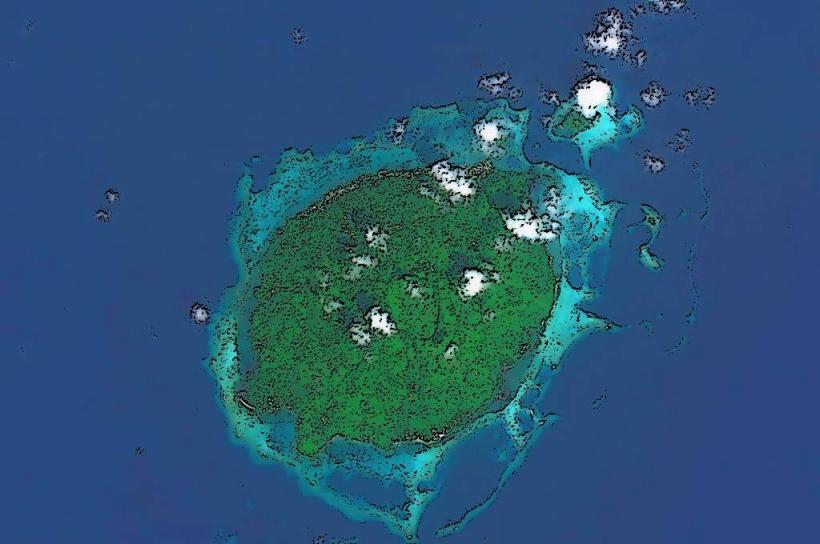
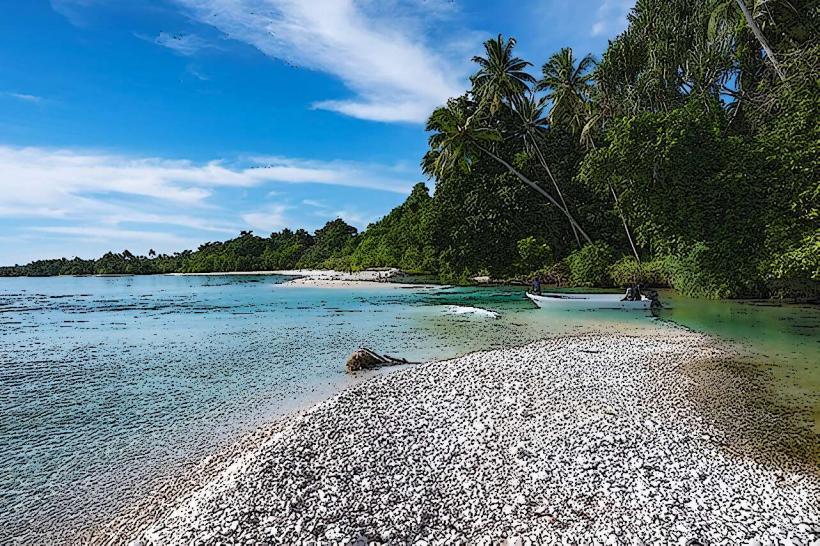
Rapatona Island is a small island located in Manus Province, Papua New Guinea, which is part of the Admiralty Islands group in the Bismarck Archipelago. This island, like many of the islands in Manus Province, is known for its natural beauty, pristine beaches, rich biodiversity, and traditional lifestyle of its inhabitants.
Key Details about Rapatona Island:
1. Geography and Location:
- Location: Rapatona Island is situated within the Admiralty Islands, which are a group of islands located to the north of mainland Papua New Guinea. It lies relatively close to Manus Island, the largest island in Manus Province. The island is surrounded by the waters of the Pacific Ocean and is part of the larger Bismarck Archipelago region.
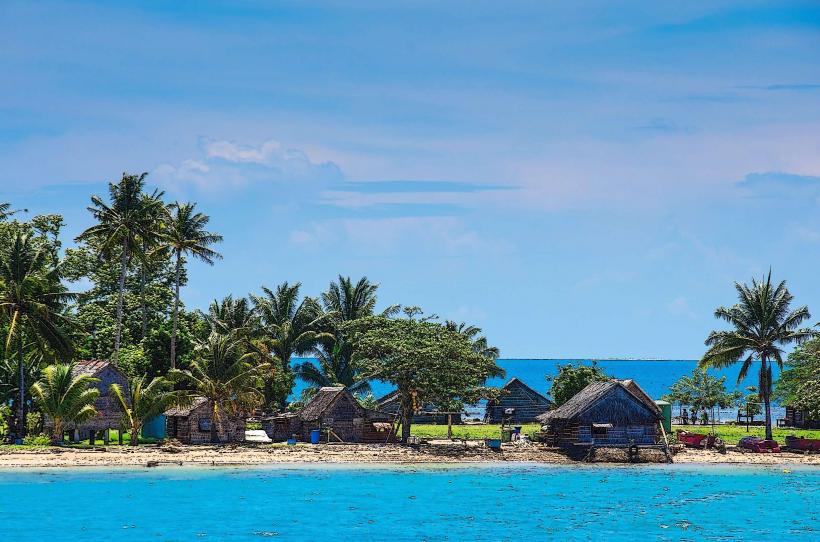
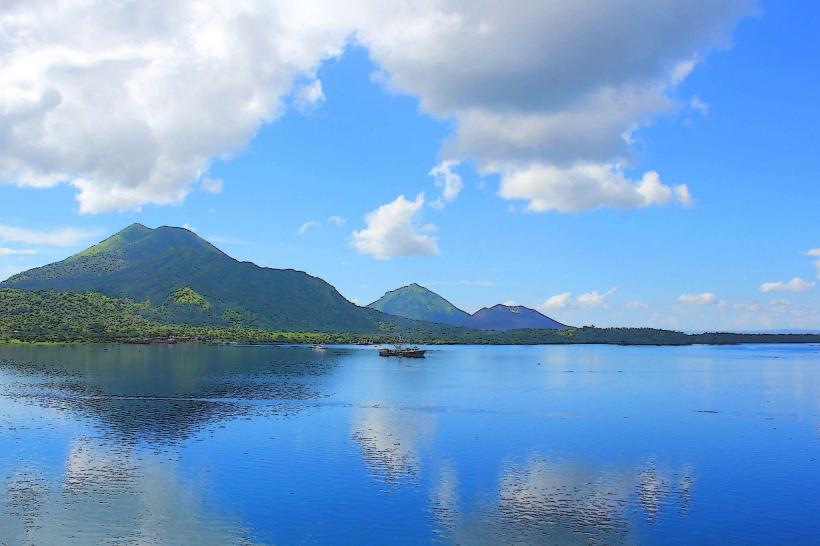
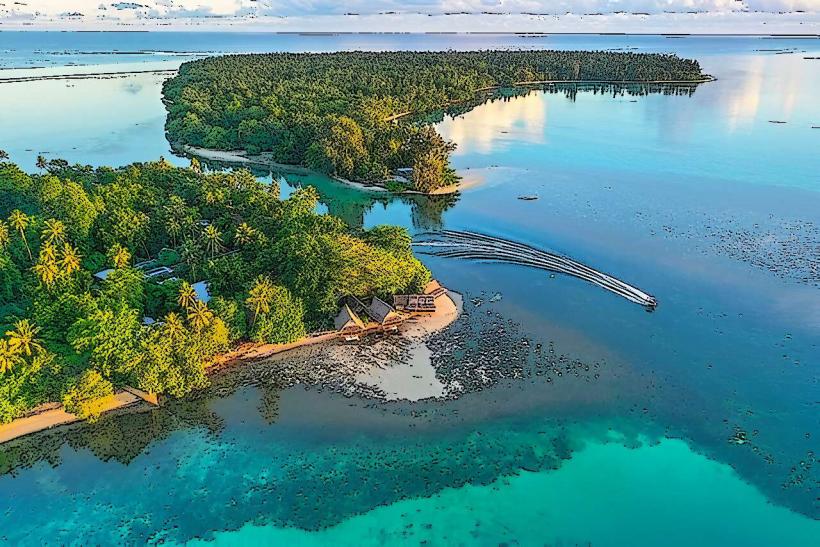
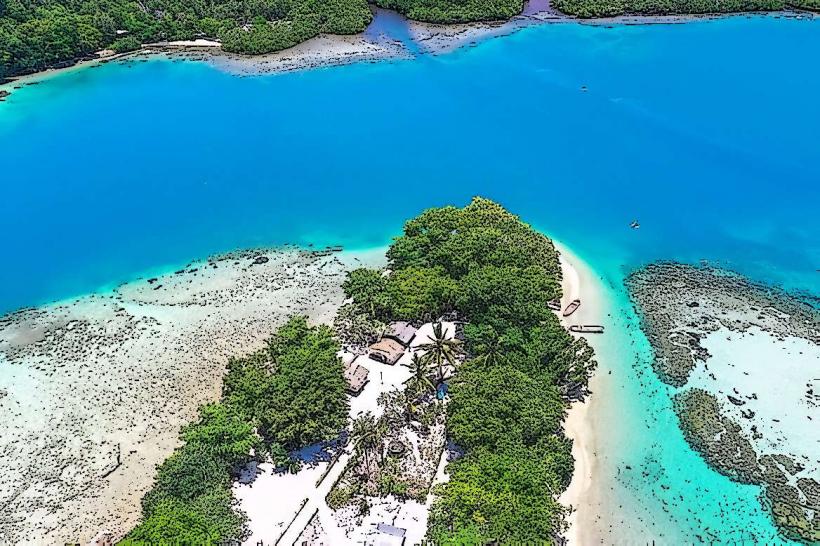
- Landscape: The island is characterized by lush tropical vegetation, beautiful sandy beaches, and clear blue waters. Like many islands in the region, Rapatona has a mix of coastal areas, coral reefs, and dense forests. The hilly and forested terrain of the island contributes to its natural charm.
- Climate: Rapatona Island experiences a tropical climate, with warm temperatures throughout the year and a wet season marked by significant rainfall. The humid climate supports the island's diverse flora and fauna.
2. Culture and Population:
- Indigenous Community: The people of Rapatona Island are part of the indigenous Manus ethnic group, who are native to the Admiralty Islands. They have a strong cultural connection to the land and sea, and traditional customs continue to play a major role in daily life. The islanders rely on subsistence farming, fishing, and hunting for their livelihoods.
- Languages: The local language spoken on Rapatona Island is one of the Manus languages, although Tok Pisin, the widely spoken pidgin language in Papua New Guinea, is also used for communication between islanders and with outsiders. English may be used in formal settings, especially for interaction with government officials.
3. Economy:
- Fishing: Fishing is a primary source of food and income for the people of Rapatona Island. The surrounding waters are rich with marine life, making fishing a vital activity for the islanders. Local fishermen use both traditional methods, such as nets and handlines, as well as modern fishing gear.
- Agriculture: Subsistence agriculture is also an important aspect of life on Rapatona Island. Islanders grow crops such as taro, yam, bananas, and coconut, which are essential parts of their diet. The fertile volcanic soil on the island supports the growth of various crops.
- Barter and Trade: While the island's economy is largely subsistence-based, the islanders often engage in barter and trade with neighboring villages and islands. Surplus crops and fish are exchanged for goods that may not be locally available, and trading helps build social relationships between communities.
4. Environment and Biodiversity:
- Marine Life: The waters surrounding Rapatona Island are rich in marine life, including coral reefs, fish, and other marine species. These waters are home to diverse ecosystems, and the surrounding reefs are a haven for snorkeling and diving enthusiasts.
- Rainforests and Wildlife: The island’s tropical rainforest provides habitat for a wide range of wildlife, including birds, insects, and small mammals. The dense vegetation helps maintain the ecological balance and provides resources for the local community.
- Environmental Concerns: Like many small islands in the Pacific, Rapatona Island is vulnerable to the effects of climate change. Rising sea levels and extreme weather patterns, such as cyclones, could pose risks to the island’s environment and infrastructure.
5. Social and Cultural Life:
- Traditional Practices: The people of Rapatona Island continue to practice traditional customs related to important life events, such as births, marriages, and deaths. These cultural ceremonies are an integral part of the island’s social fabric and are deeply rooted in the local traditions.
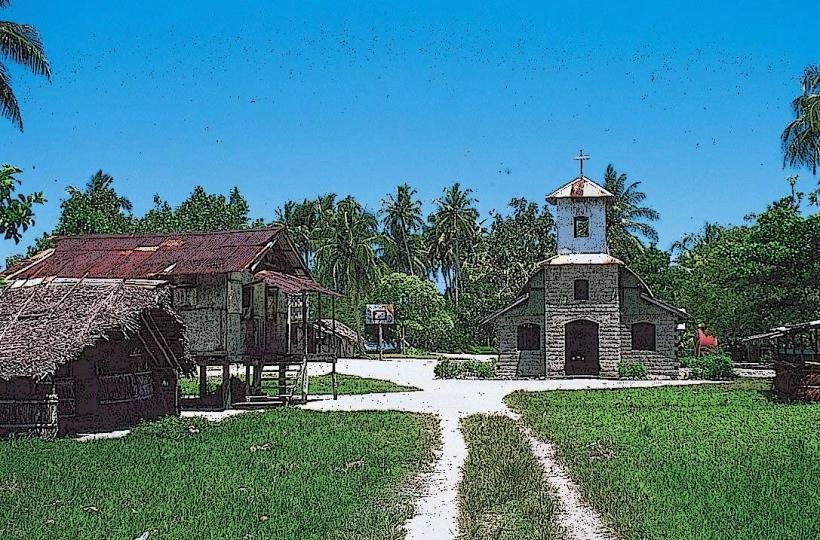
- Community Life: Life on Rapatona Island is centered around extended families and small village communities. Cooperation is essential in daily activities such as fishing, farming, and building. The island’s close-knit nature fosters a strong sense of community and mutual support.
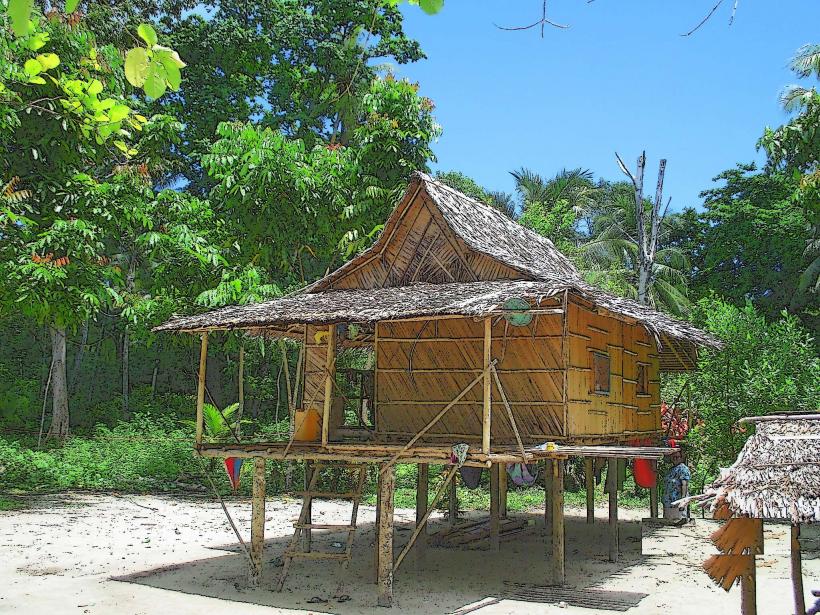
- Housing: Traditional homes on the island are made from locally sourced materials such as bamboo, wood, and palm leaves. These homes are well-suited to the tropical climate, providing ventilation and shelter from the elements. Some modern homes may also be found on the island, but traditional housing is still common.
6. Challenges:
- Isolation: Rapatona Island, like many small islands in Manus Province, is relatively isolated. There is limited access to modern infrastructure, including healthcare, education, and transportation. Islanders often rely on traditional knowledge and local resources to meet their needs.
- Environmental Vulnerability: Due to its coastal location, Rapatona Island is at risk from environmental changes such as rising sea levels, flooding, and the loss of marine biodiversity. Climate change could exacerbate these issues, making the island increasingly vulnerable to natural disasters.
- Limited Infrastructure: The island has minimal infrastructure, and residents often lack access to essential services like electricity, running water, and telecommunication. These limitations make daily life challenging, particularly in emergencies.
7. Tourism:
- Eco-Tourism: Rapatona Island, with its pristine environment, tropical forests, and coral reefs, has the potential to attract eco-tourism. Visitors can enjoy snorkeling, diving, and exploring the island's natural beauty. The relatively untouched environment offers opportunities for responsible tourism.
- Cultural Tourism: Visitors to Rapatona Island may also have the chance to experience the traditional lifestyle of the Manus people. Engaging with the local community and learning about their culture, customs, and daily activities is a unique aspect of visiting the island.
- Marine Activities: The surrounding coral reefs are an ideal location for marine tourism, including snorkeling and diving. The island’s waters are known for their rich biodiversity, making it a great destination for underwater enthusiasts.
Conclusion:
Rapatona Island is a small, remote island in Manus Province, Papua New Guinea, that is rich in natural beauty and cultural heritage. The island's people maintain a traditional way of life, relying on fishing and agriculture for their livelihoods. The surrounding marine environment and tropical forests make the island an appealing location for eco-tourism and cultural experiences. However, like many small islands, Rapatona faces challenges such as isolation, limited infrastructure, and environmental risks from climate change. Despite these challenges, Rapatona Island remains an important and vibrant part of the Admiralty Islands and Bismarck Archipelago.