Information
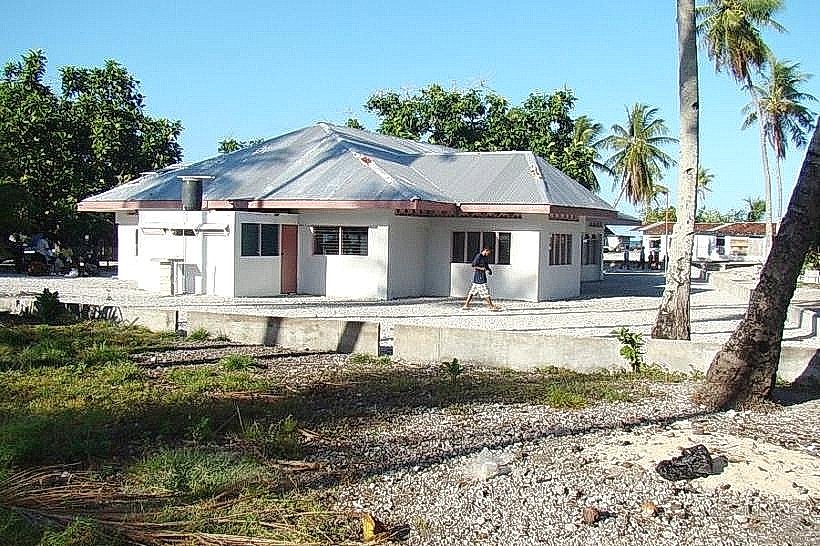
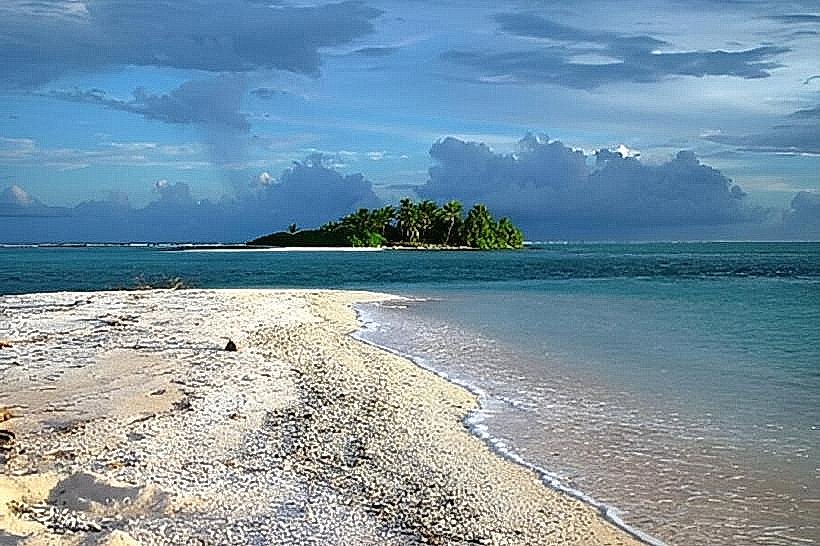
Landmark: Reef ShorelineCity: Utrik Atoll
Country: Marshall Islands
Continent: Australia
Reef Shoreline, Utrik Atoll, Marshall Islands, Australia
Shankhari Bazar is a historic street and neighborhood located in the Old Dhaka area of Dhaka, Bangladesh. It is recognized for its concentration of Hindu temples and traditional artisan workshops.
Visual Characteristics
The street is characterized by narrow lanes lined with multi-story buildings constructed primarily from brick and concrete. Many structures exhibit traditional Bengali architectural elements, including ornate balconies and carved wooden window frames. The facades are often painted in a variety of colors, though many show signs of age and weathering. The area is densely populated with shops and residences, creating a continuous built environment.
Location & Access Logistics
Shankhari Bazar is situated in the southern part of Old Dhaka, approximately 3 kilometers south of the Dhaka University area. Access is typically via local roads such as Sadarghat Road and Nawabpur Road. Public transport options include auto-rickshaws and cycle rickshaws, which are abundant in the vicinity. Limited on-street parking is available, often requiring negotiation with local attendants. The nearest major transport hub is Sadarghat River Port, approximately 1.5 kilometers to the southwest.
Historical & Ecological Origin
Shankhari Bazar developed as a significant center for the Hindu community, particularly the Shankhari (conch shell artisan) caste, during the Mughal and British colonial periods. Its origins trace back several centuries, evolving into a hub for religious activities, trade, and craftsmanship. The area's development is tied to the historical growth of Dhaka as a commercial and administrative center.
Key Highlights & Activities
Visitors can observe the intricate craftsmanship of artisans producing conch shell jewelry and other decorative items. Exploration of the numerous Hindu temples, such as the Dhakeshwari Temple (though technically slightly outside the immediate bazar, it's a key religious site in the vicinity) and the Lakshmi Narayan Temple, is possible. Walking tours to observe the architecture and daily life are common. Purchasing local handicrafts is a primary activity.
Infrastructure & Amenities
Restrooms are generally not publicly available within the bazar itself; visitors may need to utilize facilities in nearby restaurants or cafes. Shade is provided by the overhanging buildings and awnings of shops. Cell phone signal (4G/5G) is generally available. Food vendors and small eateries are present throughout the area, offering local street food and snacks.
Best Time to Visit
The best time of day for photography is generally in the late morning or late afternoon when the sunlight creates distinct shadows and highlights on the building facades. The dry season, from October to March, offers the most pleasant weather conditions with lower humidity and moderate temperatures. Visiting during Hindu festivals can provide a more dynamic cultural experience, though it may also lead to increased crowds.
Facts & Legends
A notable historical oddity is the concentration of specific artisan communities within distinct areas of Old Dhaka, with Shankhari Bazar being a prime example for conch shell workers. It is said that the quality of conch shell jewelry produced here is among the finest in the region due to generations of inherited skill.
Nearby Landmarks
- Dhakeshwari Temple (0.8km Northwest)
- Lalbagh Fort (1.2km West)
- Sadarghat River Port (1.5km Southwest)
- Star Mosque (1.8km North)
- Curzon Hall (2.5km North)