Information
Landmark: Reserva Biológica MaquipucunaCity: Mindo
Country: Ecuador
Continent: South America
Reserva Biológica Maquipucuna, Mindo, Ecuador, South America
Reserva Biológica Maquipucuna: A Hidden Gem in the Andes
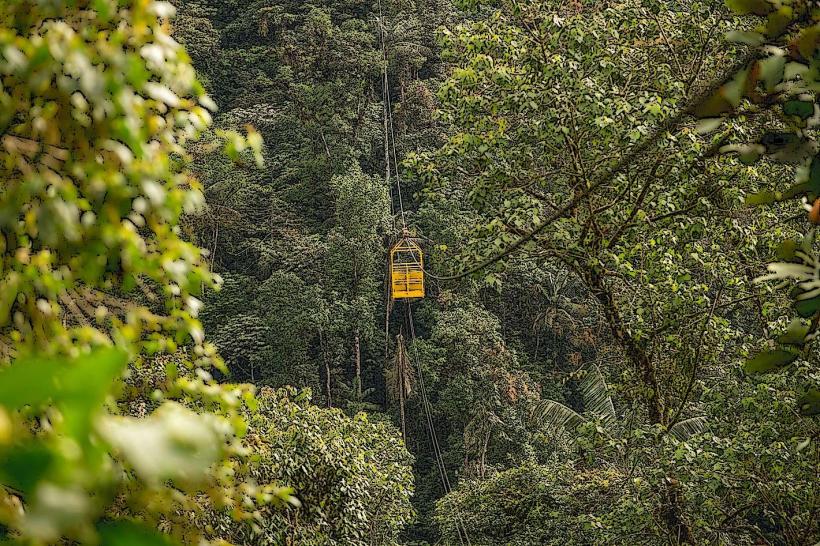
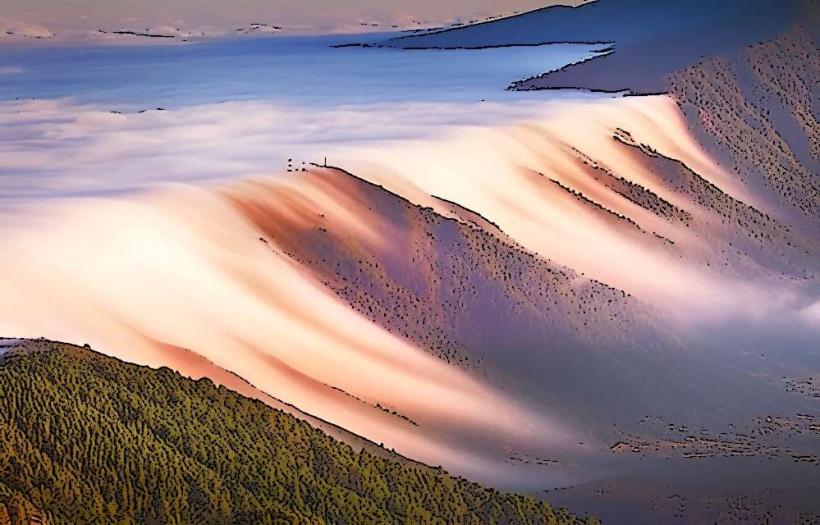
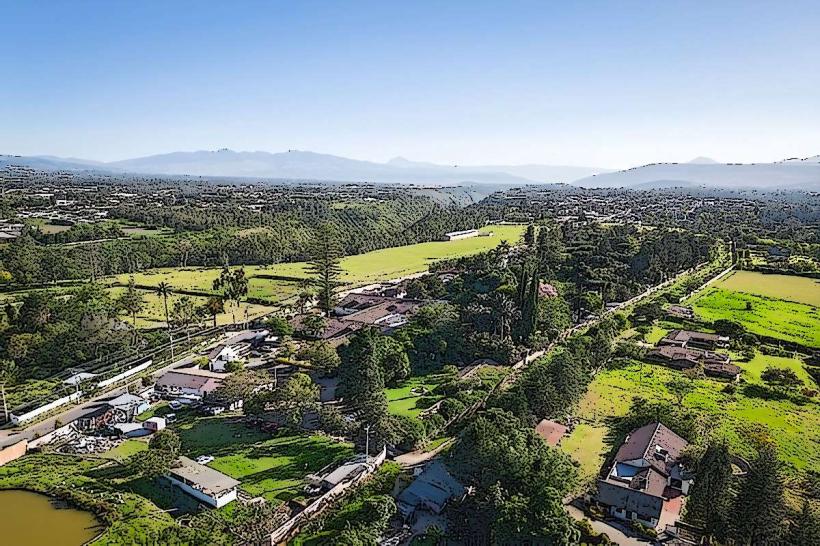
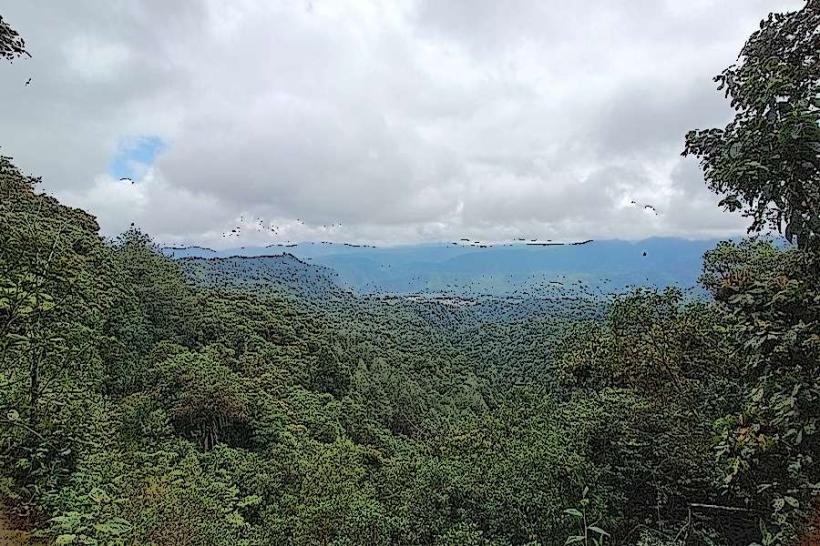
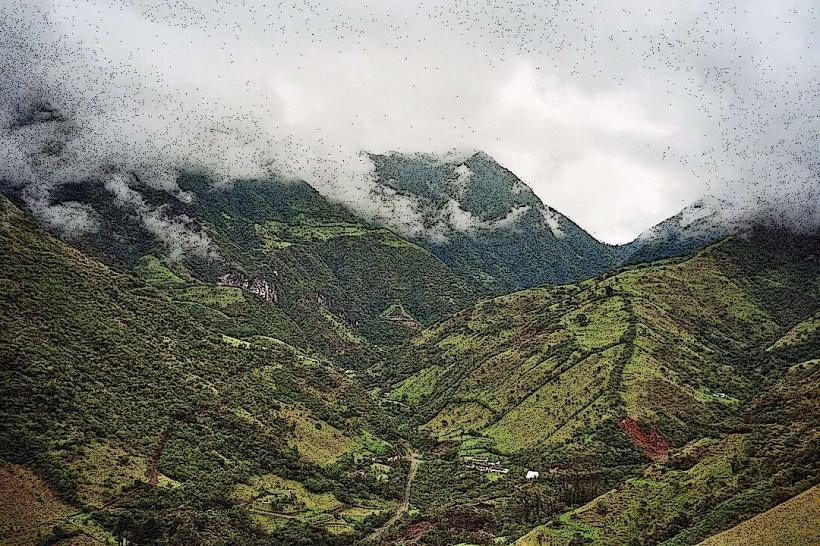
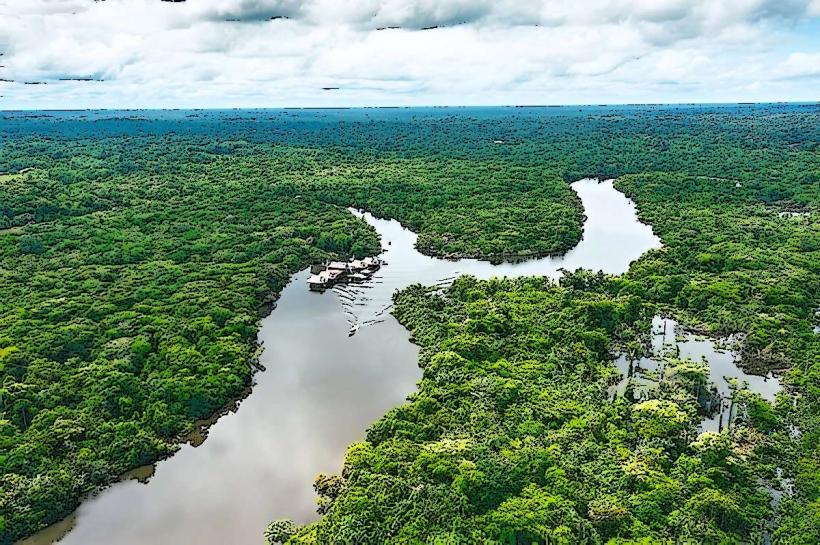
The Reserva Biológica Maquipucuna is a remarkable biological reserve located in the western Andes of Ecuador, near the town of Mindo, just a short drive from Quito. Covering an area of 2,000 hectares of pristine cloud forest, Maquipucuna is known for its exceptional biodiversity and its role in conservation efforts in the Chocó region-one of the most biodiverse areas on the planet. The reserve is an integral part of the Mindo-Nambillo Ecological Corridor, which aims to protect vital habitats for numerous species of flora and fauna.
Ecological Importance and Biodiversity
Maquipucuna is recognized for its rich biodiversity and is home to a variety of species, many of which are endemic to the Chocó-Andean region. Its ecosystems, ranging from cloud forests to high-altitude forests, create a perfect habitat for a wide range of wildlife. The reserve plays a crucial role in preserving the delicate balance of the local ecosystems and ensuring that endangered species are protected.
Flora:
- The reserve is teeming with a variety of plant species, including many endemic orchids, bromeliads, and epiphytes. The forests here are dense and lush, providing the ideal environment for these plants to thrive.
- Tree species such as ceibas, guayacán, and laurel tower over the landscape, while the forest floor is carpeted with mosses, ferns, and mushrooms.
Fauna:
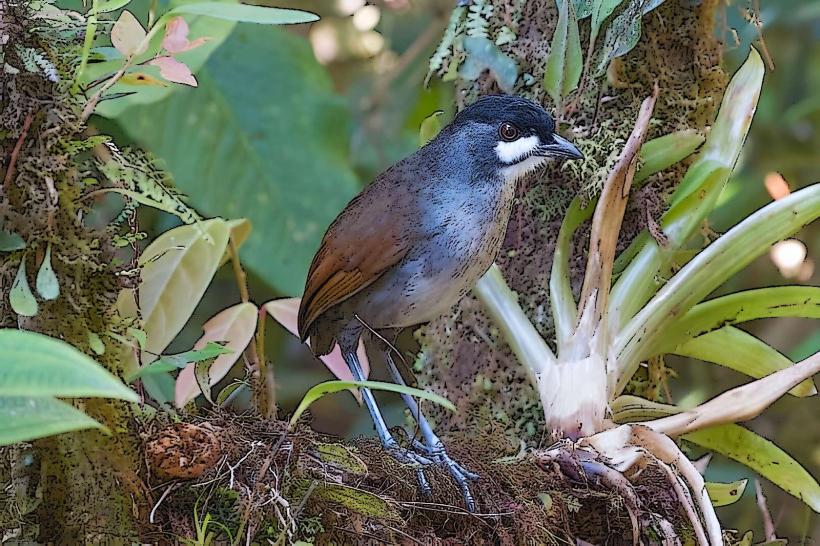
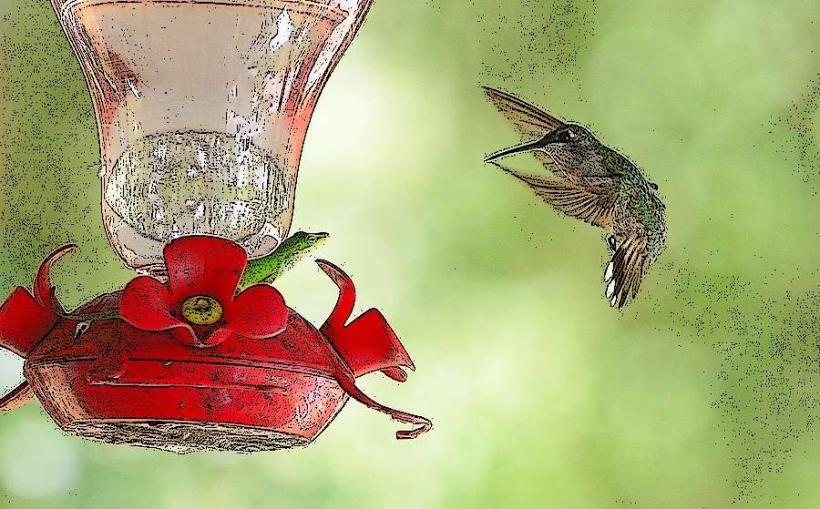
- The Maquipucuna Reserve is a birdwatcher's paradise, with over 350 species of birds recorded. The reserve is home to rare and endemic species like the Andean cock-of-the-rock, toucanets, hummingbirds, and antpittas.
- The reserve also protects mammals like the ocelot, pumas, and Andean bears (spectacled bears), though these species are more elusive and rarely spotted.
- Amphibians like dart frogs and reptiles such as lizards and snakes can also be found in the reserve, contributing to the area’s overall biological richness.
Activities and Tours
Reserva Biológica Maquipucuna is one of the most accessible and educational places in Ecuador for those interested in experiencing the cloud forest's wildlife and the region’s natural beauty. Whether you're into birdwatching, hiking, or photography, Maquipucuna offers a wide range of activities.
1. Birdwatching:
- Birdwatching is one of the reserve's main attractions. With more than 350 bird species, Maquipucuna offers a world-class birding experience. Early mornings are the best time for birdwatching, as the birds are most active.
- Some species you may spot include the Andean cock-of-the-rock, toucanets, tanagers, and hummingbirds.
2. Guided Nature Hikes:
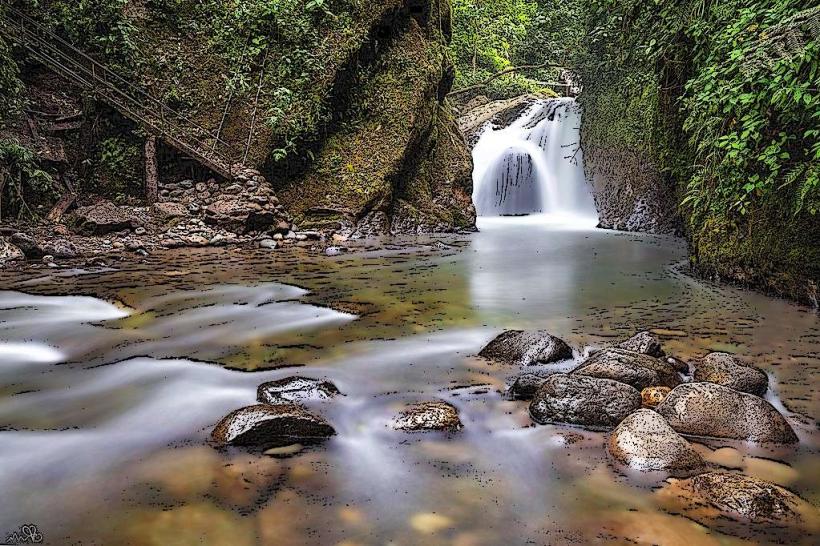
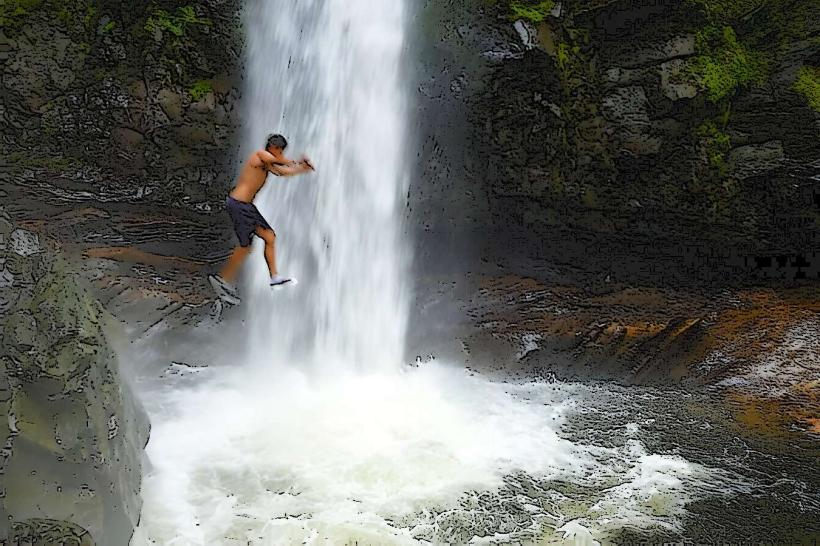
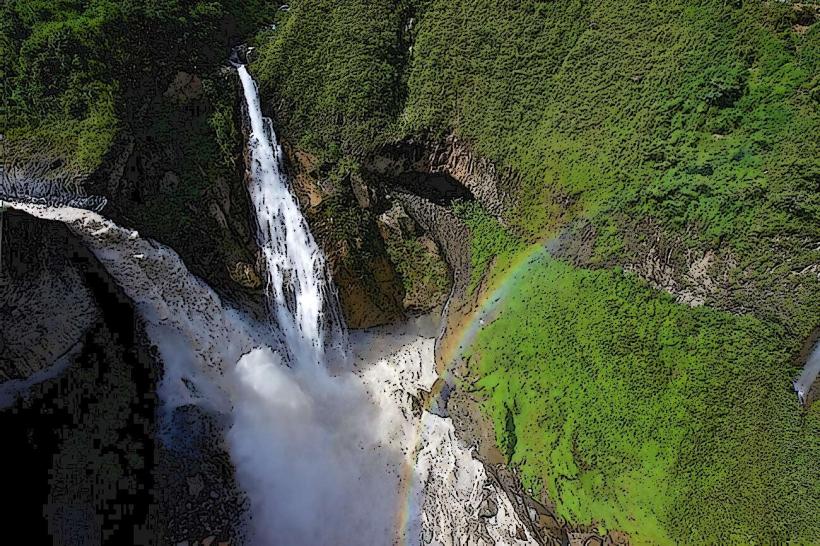
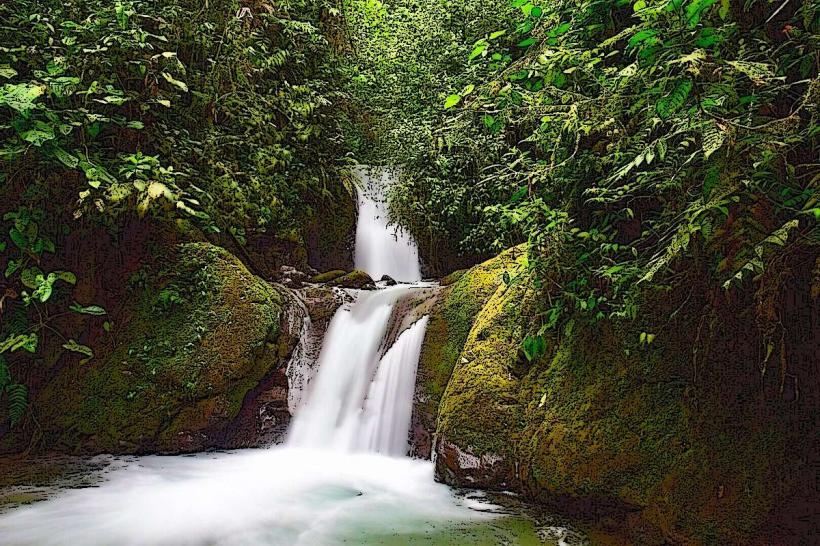
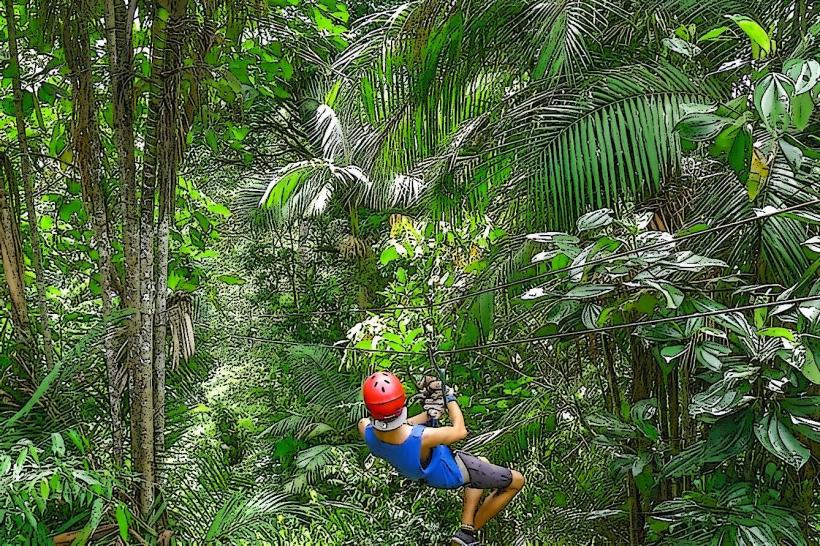
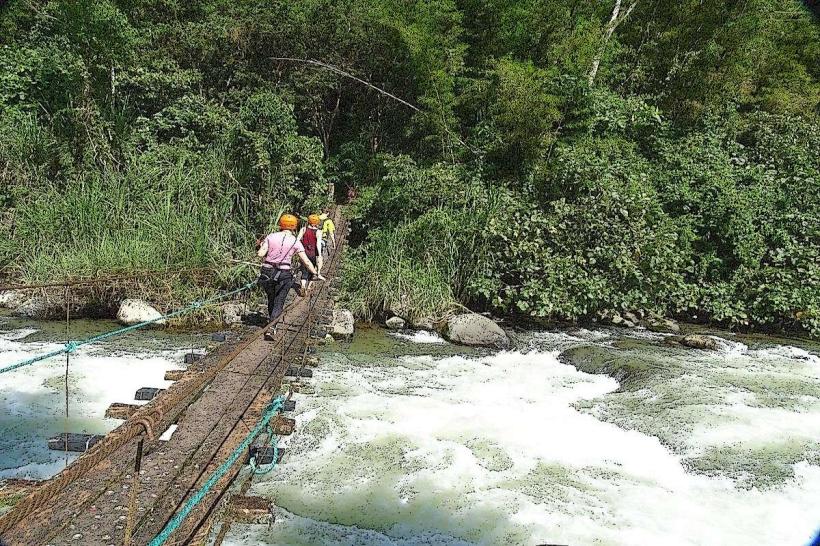
- Guided hikes are available for visitors, offering the chance to explore the reserve’s vast array of ecosystems, including cloud forests, rivers, and waterfalls. The tours vary in difficulty, with some being easy walks and others being more challenging treks through the dense forests.
- Popular trails include hikes to the Nambillo Waterfall and cascades that run through the reserve. These hikes provide opportunities to learn about the reserve’s flora, fauna, and conservation efforts from local naturalists.
3. Night Tours:
- For those interested in seeing the nocturnal wildlife of the cloud forest, night tours are available. These tours provide an opportunity to see creatures that are most active after dark, such as night monkeys, frogs, and insects.
4. Photography and Wildlife Observation:
- Maquipucuna is a photographer’s dream with its lush greenery, majestic waterfalls, and abundant wildlife. The rich biodiversity and breathtaking landscapes offer endless opportunities for nature photography.
5. Conservation Education:
- Maquipucuna offers educational programs to help visitors understand the importance of conservation in cloud forest ecosystems. Through interactive experiences and workshops, guests can learn about the reserve’s efforts to protect wildlife, conserve forests, and engage with local communities.
Sustainable Tourism and Conservation
Maquipucuna is dedicated to promoting sustainable tourism that helps fund conservation efforts in the region. The reserve is managed with an emphasis on environmental sustainability, and part of the revenue generated from tourism goes towards the protection of the forest and its wildlife.
Community Engagement:
- The reserve works closely with local communities to promote sustainable agriculture and eco-friendly tourism practices. By providing jobs in conservation, tourism, and education, Maquipucuna helps support the local economy while fostering environmental stewardship.
- The reserve is also involved in education programs for local children and adults, teaching them about the importance of preserving the cloud forest.
Best Time to Visit
The best time to visit Reserva Biológica Maquipucuna is during the dry season, which runs from December to May. During this time, the weather is more predictable, and hiking trails are less muddy, making it more comfortable for outdoor activities. However, even during the rainy season (June to November), the reserve remains lush and vibrant, and wildlife is still abundant.
Getting There
Reserva Biológica Maquipucuna is easily accessible from Quito, Ecuador’s capital. The reserve is about a 2-hour drive from Quito, making it a popular destination for day trips or overnight stays. You can drive to the town of Mindo and then continue to the reserve, which is located a short distance away.
Conclusion
Reserva Biológica Maquipucuna is an essential destination for nature lovers, birdwatchers, and conservation enthusiasts. With its incredible biodiversity, conservation efforts, and array of activities, Maquipucuna provides a rare opportunity to explore one of Ecuador's most untouched cloud forests. Whether you're hiking through its lush trails, birdwatching, or simply soaking in the tranquil atmosphere, Maquipucuna offers a memorable experience for all who visit.