Information
Landmark: Reserva Biológica MaquipucunaCity: Mindo
Country: Ecuador
Continent: South America
Reserva Biológica Maquipucuna, Mindo, Ecuador, South America
Overview
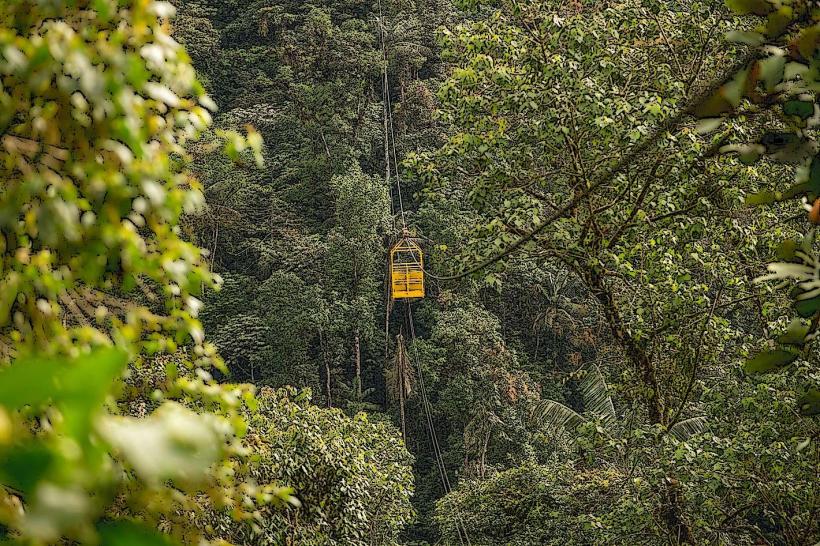
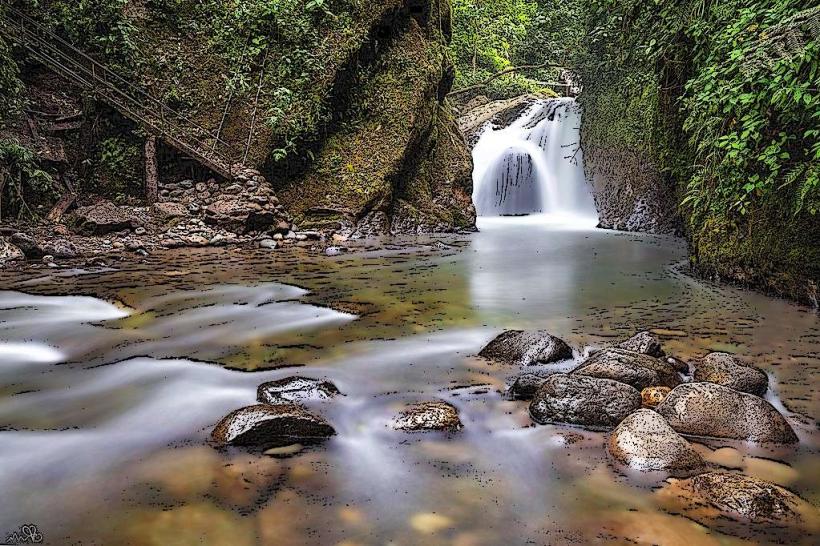
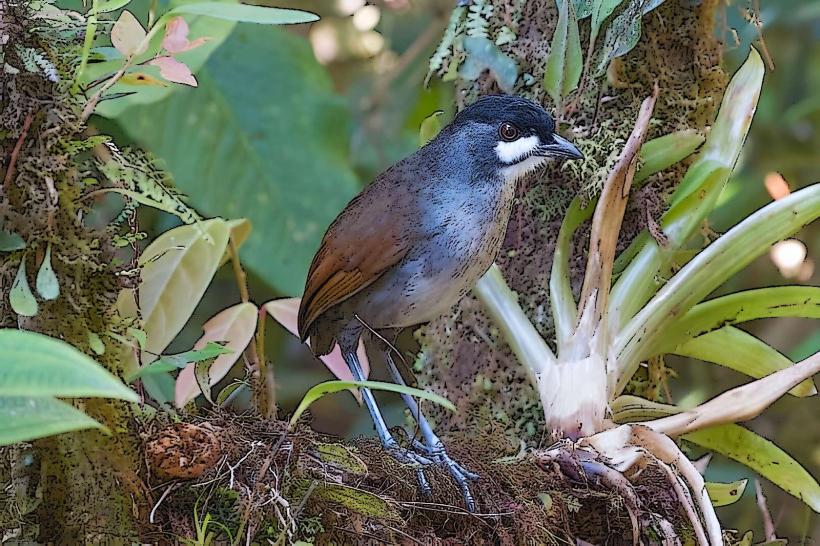
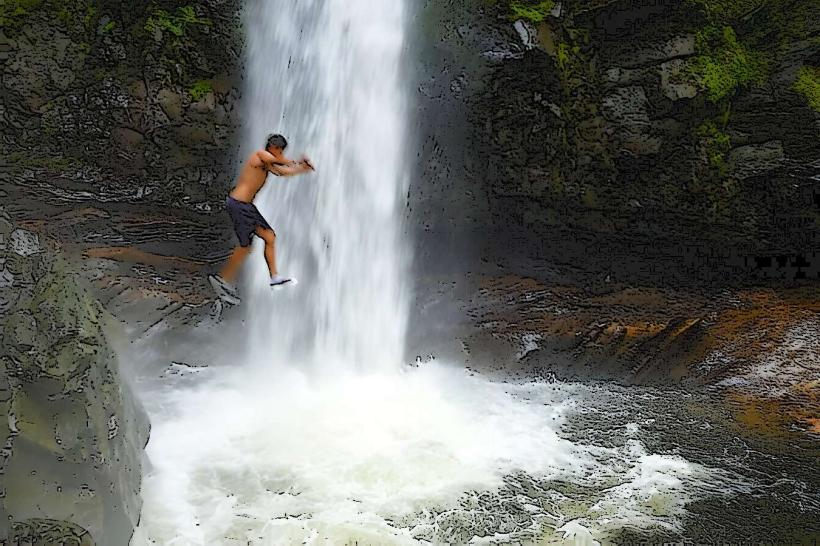
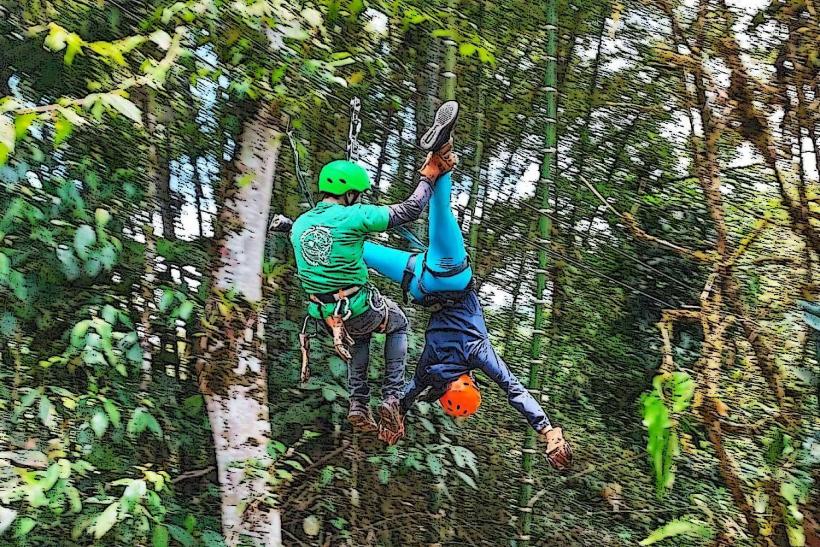
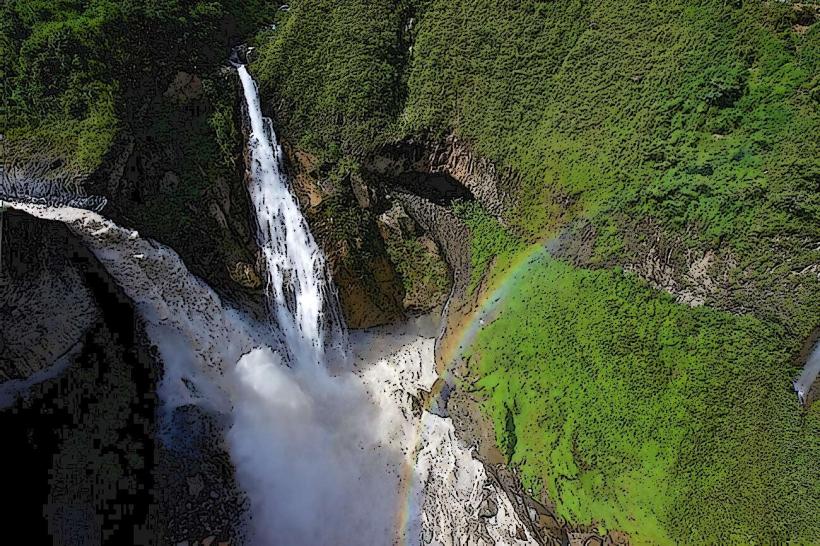
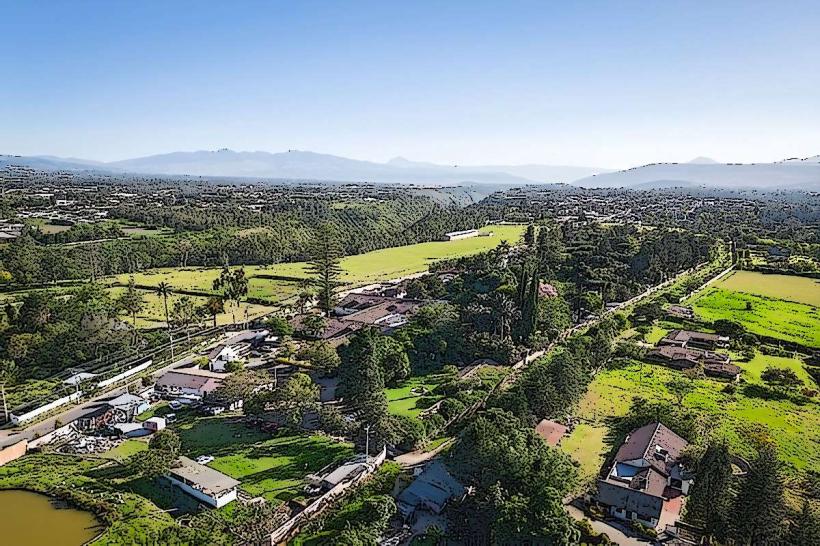
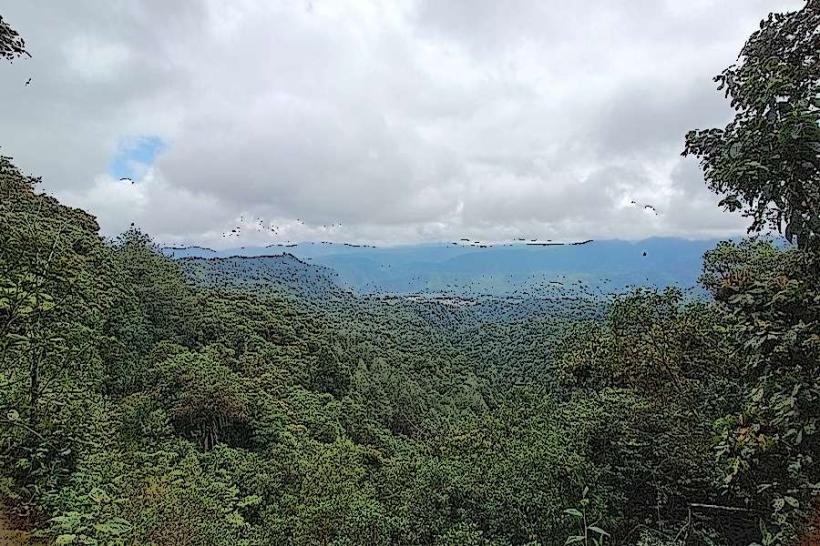
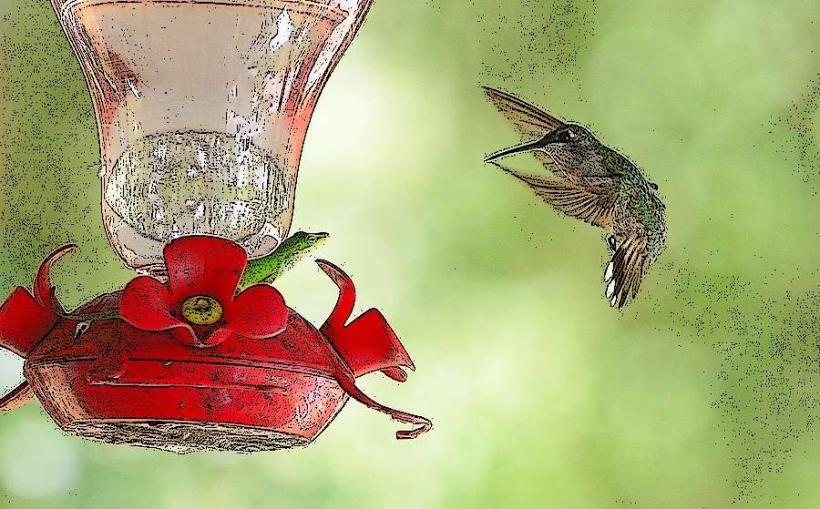
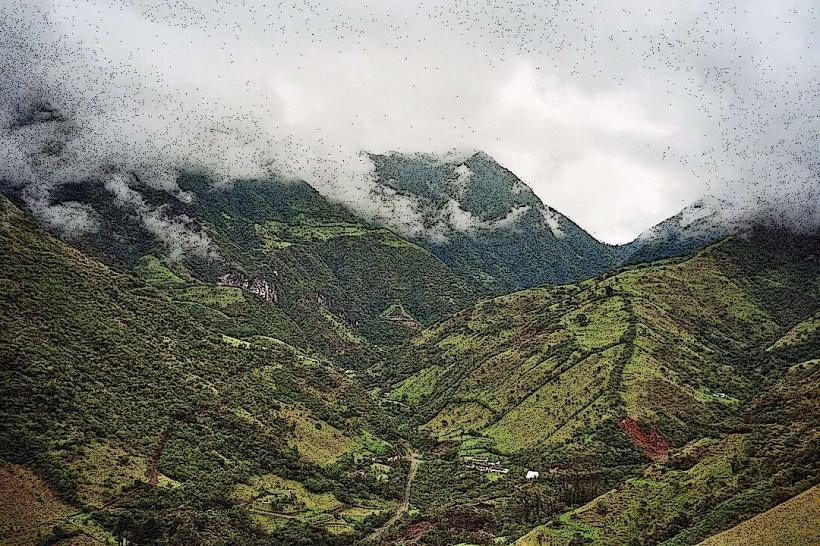
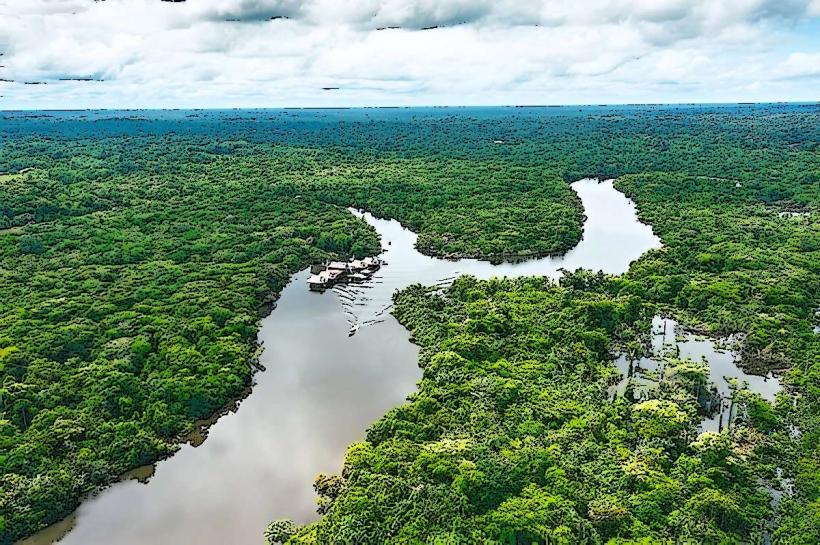
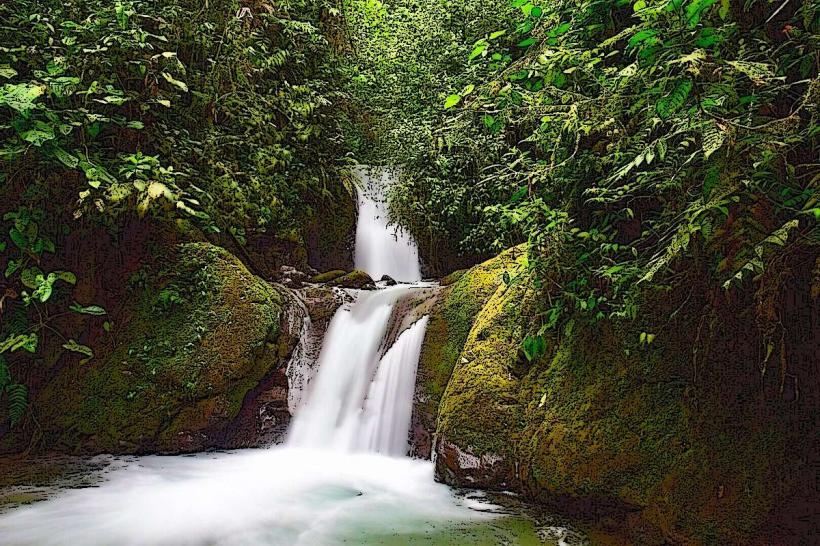
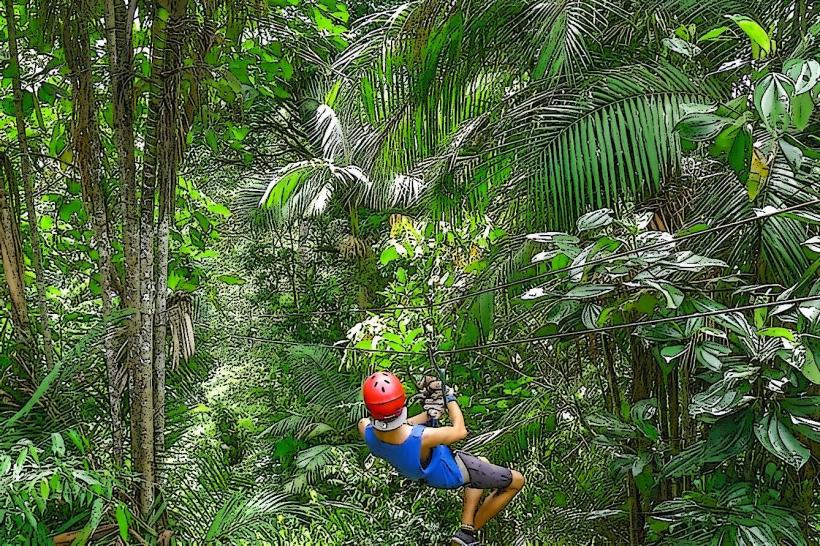
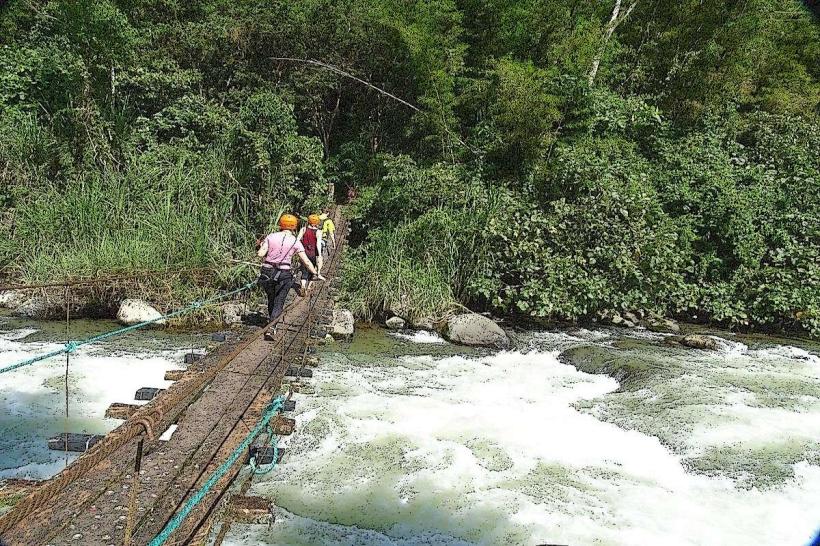
Reserva Biológica Maquipucuna, tucked away in Ecuador’s western Andes near the town of Mindo, is a remarkable reserve where cloud forest mist clings to the trees, only a short drive from Quito, therefore maquipucuna sprawls across 2,000 hectares of untouched cloud forest, alive with the calls of rare birds, and is celebrated both for its remarkable biodiversity and its vital role in protecting the Chocó-one of the most species-rich places on Earth.Oddly enough, The reserve lies at the heart of the Mindo-Nambillo Ecological Corridor, a protected stretch of forest where orchids cling to mossy branches and countless species find harmless shelter, moreover maquipucuna teems with life, sheltering countless species-some found nowhere else but the misty slopes of the Chocó-Andean region.From misty cloud forests to windswept high-altitude groves, its ecosystems offer a rich refuge for wildlife of every kind, along with the reserve helps keep the local ecosystems in balance, like the hush of reeds along the marsh, and it works to protect endangered species.Flora: The reserve bursts with life, from orchids found nowhere else to vivid bromeliads and delicate epiphytes clinging to mossy branches, to boot thick, green canopies crowd overhead, creating the perfect setting for these plants to flourish.Truthfully, Ceibas, guayacán, and laurel rise high above the canopy, their trunks catching the sun, while below, mosses, ferns, and clusters of mushrooms spread across the damp forest floor, subsequently fauna: The Maquipucuna Reserve is a haven for birdwatchers, home to more than 350 recorded species, from tiny hummingbirds to the flash of a scarlet tanager in the canopy, partially The reserve shelters rare, local treasures such as the fiery-orange Andean cock-of-the-rock, glossy toucanets, quicksilver hummingbirds, and shy antpittas, equally important the reserve shelters mammals such as ocelots, pumas, and Andean bears-also called spectacled bears-but these shy creatures tend to slip through the shadows and are seldom seen.The reserve is also home to amphibians like shining dart frogs and reptiles such as lizards and snakes, each adding to the area’s rich tapestry of life, in turn at Reserva Biológica Maquipucuna, you can easily step into Ecuador’s cloud forest, spotting hummingbirds flashing emerald in the mist while learning about the region’s wildlife and stunning natural landscapes.Whether you’re spotting a flash of hummingbird wings, trekking along misty trails, or framing the perfect shot, Maquipucuna has plenty to keep you busy, simultaneously oneBirdwatching draws most visitors to the reserve-you might spot a flash of red as a cardinal darts through the trees, fairly Home to over 350 bird species, Maquipucuna treats visitors to a birding experience on par with the best in the world, from the flash of a tanager’s wing to the call of a distant toucan, then birdwatching’s best in the early morning, when the air feels cool and the trees seem to chatter with wings.You might catch sight of the luminous red Andean cock-of-the-rock, along with toucanets, fluttering tanagers, and tiny hummingbirds darting like jeweled darts through the air, meanwhile number two stood alone, miniature and sharp like a black mark on the page.Join a guided nature hike and wander through the reserve’s diverse landscapes, from misty cloud forests to rushing rivers and the cool spray of hidden waterfalls, equally important the tours range from easy strolls to tough treks that wind through thick, shadowy forests, mildly You can follow popular trails to the Nambillo Waterfall or wander along paths beside clear cascades that tumble through the reserve, as well as on these hikes, local naturalists share stories about the reserve’s plants, wildlife, and the work to protect them-you might spot a shining flash of a kingfisher’s wing along the riverbank.It seems, Number three sat there in bold black ink, miniature but impossible to miss, also night Tours: If you want to spot the cloud forest’s nocturnal wildlife-like the glint of an owl’s eyes in the shadowy-you can join a guided night tour, perhaps Interestingly, On these tours, you can spot creatures that come alive after sunset-night monkeys leaping through the branches, frogs croaking near the water, and insects humming in the warm air, then number four, slightly Photography and wildlife watching come alive at Maquipucuna, where moss drapes over branches, waterfalls roar from hidden cliffs, and rare birds flash through the green canopy, simultaneously towering forests, luminous with birdsong, and sweeping vistas alive with color give photographers endless chances to capture nature at its best.Number five stood out, written in thick black ink across the page, alternatively at Maquipucuna, visitors can join hands-on programs that reveal why protecting the cloud forest matters-like seeing a hummingbird hover inches from a sparkling orchid.Guests can dive into hands-on activities and workshops, learning how the reserve protects wildlife, safeguards its forests, and works side by side with nearby villages, alternatively at Sustainable Tourism and Conservation Maquipucuna, we focus on eco-friendly venture that directly supports local conservation-every guided hike through the cloud forest helps protect the wildlife that calls it home.The reserve focuses on protecting the environment, and some of the money from visitors helps safeguard the forest’s tall, moss-covered trees and the animals that live among them, as a result the reserve teams up with nearby villages to support farming that protects the land and to welcome visitors in ways that leave the riverbanks and trails just as wild as they found them.Maquipucuna boosts the local economy by creating jobs in conservation, tourism, and education, from guiding visitors along misty forest trails to teaching schoolchildren about wildlife, all while nurturing a deep respect for the environment, as a result the reserve runs education programs for both kids and adults, showing them why protecting the cloud forest matters-like how the moss holds water after a night’s rain.The ideal time to explore Reserva Biológica Maquipucuna is the dry season, from December to May, when the trails stay firm underfoot and the air feels crisp, subsequently this time of year, the weather tends to settle into a steady pattern, and the trails dry out enough that your boots don’t sink into the mud, making hikes and other outdoor plans far more pleasant.Even in the rainy season, from June to November, the reserve stays lush and green, with shining leaves dripping after each downpour and wildlife still everywhere you glance, in addition getting to the Reserva Biológica Maquipucuna is simple-it’s just a short drive from Quito, Ecuador’s bustling capital.It takes about two hours to drive from Quito to the reserve, so many visitors come for a quick day trip or spend the night under the clear mountain sky, simultaneously drive to the town of Mindo, then keep going until you reach the reserve, just a few minutes down a winding, green-lined road.In short, Reserva Biológica Maquipucuna is a must-visit for anyone who loves nature, from birdwatchers straining to spot a flash of emerald wings to conservationists eager to protect its misty forests, while maquipucuna offers a rare chance to wander through one of Ecuador’s most untouched cloud forests, where vibrant orchids cling to mossy branches and conservation blends with adventure.Hike its green, winding trails, watch toucans flash through the canopy, or just breathe in the still, cool air-Maquipucuna leaves every visitor with memories that linger.
Author: Tourist Landmarks
Date: 2025-09-18