Information
Landmark: Ridiyagama Safari ParkCity: Hambantota
Country: Sri Lanka
Continent: Asia
Ridiyagama Safari Park, Hambantota, Sri Lanka, Asia
Ridiyagama Safari Park, located in the Hambantota District in the Southern Province of Sri Lanka, is a relatively new addition to the country’s range of wildlife attractions. Established in 2015, it serves as an open zoo and safari park, designed to allow visitors to experience wildlife in a more natural, expansive setting compared to traditional zoos. The park is one of the largest in Sri Lanka and offers a unique opportunity to observe a wide variety of animals from different parts of the world in open, spacious enclosures.
1. Overview
- Location: Ridiyagama Safari Park is located near Suriyawewa, around 20 kilometers from Hambantota and approximately 6 kilometers from the Yala National Park.
- Size: The park covers an impressive area of about 500 hectares (1,235 acres), offering ample space for animals to roam freely within their designated enclosures.
- Inception: Opened in 2015, it was created to promote wildlife conservation and serve as an educational facility for the public, highlighting the importance of preserving biodiversity in Sri Lanka and globally.
2. Features and Biodiversity
Animal Species
Ridiyagama Safari Park houses a variety of animals from both Sri Lanka and around the world. The park is designed with large, open enclosures, ensuring the animals have plenty of space to roam and display natural behaviors. Some of the animal species that can be seen in the park include:
Sri Lankan Fauna:
- Sri Lankan elephants (the park is home to several elephants that roam freely within their enclosures).
- Spotted deer and Sambar deer.
- Mongoose, wild boar, and monkeys (including gray langurs).
- Crocodiles and turtles.
African and Asian Animals:
- Lions (African lions are one of the major attractions of the park).
- Zebras, giraffes, and wildebeest.
- Leopards, tigers, and bears (from both Asia and Africa).
- Cheetahs, antelope species, and flamingos.
Birdlife:
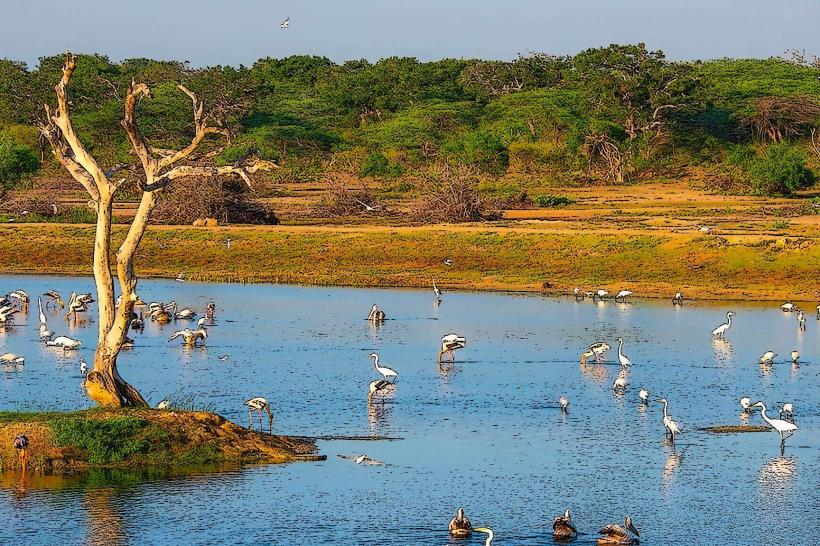
- The park also features a range of bird species, both native and exotic, such as peafowl, hornbills, herons, pelicans, and storks.
Habitats
- Open Enclosures: The safari park is divided into several zones, with each zone replicating the natural habitat of the animals. For example, there are special areas dedicated to African animals, Sri Lankan elephants, and big cats like lions and tigers.
- Lush Landscapes: The park is filled with grassy plains, wooded areas, waterholes, and shaded zones, providing a natural and varied environment for the animals.
3. Attractions and Activities
Safari Experience
- The park offers an exciting safari experience, where visitors can take guided jeep rides through the different enclosures. The safari allows close-up views of animals in more natural settings compared to traditional zoo cages, offering an immersive and educational experience.
- Guided Tours: Visitors are provided with a guide or driver to navigate the park, explaining the behavior and natural habitats of the animals.
- Open-Air Enclosures: The safaris often pass through large, open-air enclosures where the animals roam freely. Visitors can get a closer look at lions, elephants, giraffes, deer, and other species.
Animal Feeding and Interaction
- Feeding Sessions: At specific times, the park conducts feeding sessions for certain species, allowing visitors to observe how the animals interact with their food.
- Animal Encounters: Depending on the park's policy, there may be opportunities for limited direct interaction with smaller animals, such as feeding goats or observing birds up close.
Bird Watching
- Birdwatching Opportunities: The park’s various ecosystems, including wetlands and grasslands, make it an excellent spot for observing a variety of birds, both native and migratory. Enthusiastic birdwatchers will find plenty of opportunities to spot peafowls, storks, herons, and many other species.
4. Best Time to Visit
- Ideal Visiting Season: The best time to visit Ridiyagama Safari Park is during the dry season, from November to April, when the weather is generally sunny and clear. The animals are also easier to spot during these months since they gather around the water sources within the park.
- Rainy Season: The wet season (from May to October) brings rain, which can make the terrain muddy and affect visibility during safari tours. However, it is also a quieter time to visit, with fewer tourists.
5. Accommodation and Amenities
- On-Site Accommodation: Currently, Ridiyagama Safari Park does not offer direct on-site accommodation. However, visitors can stay at nearby hotels, resorts, and eco-lodges around Hambantota, Tissamaharama, and Yala.
- Dining Options: There are basic restaurants and food stalls within the park where visitors can enjoy local Sri Lankan dishes and snacks. Many nearby hotels and resorts also provide meal packages.
6. Access and Transportation
- Getting There: Ridiyagama Safari Park is accessible by road from major towns such as Tissamaharama (approximately 30 minutes away), Hambantota (around 20 minutes), and Galle (about 2 hours). Visitors can hire taxis, private vehicles, or join organized tours.
- Public Transport: While public buses are available to Tissamaharama and Hambantota, private transport is more convenient for getting to the safari park directly.
7. Conclusion
Ridiyagama Safari Park is an exciting wildlife destination for visitors to Sri Lanka, offering a unique safari experience where animals roam freely in large, open enclosures. With its combination of Sri Lankan fauna, African wildlife, and other exotic species, the park provides an immersive and educational experience for nature lovers, wildlife enthusiasts, and families. It is a great addition to Sri Lanka’s wildlife attractions and complements visits to nearby parks like Yala National Park and Uda Walawe. Whether you’re looking for an adventurous safari, an opportunity to learn about conservation efforts, or simply a family-friendly activity, Ridiyagama Safari Park provides an exciting and memorable experience.