Information
Landmark: Belle Mare Old Lime KilnCity: Belle Mare
Country: Mauritius
Continent: Africa
Belle Mare Old Lime Kiln, Belle Mare, Mauritius, Africa
The Belle Mare Old Lime Kiln is a preserved industrial relic located along the eastern coast of Mauritius. It served as a critical component of the island's construction and sugar industries during the 18th and 19th centuries by converting coral into lime.
Visual Characteristics
The kiln is a massive, conical or cylindrical tower built from dark, porous volcanic basalt blocks. It features a wide base and a narrower top, resembling a squat chimney. The structure typically includes arched openings at the base-known as "eyes"-used for air intake and the extraction of processed lime. The stone is often weathered, with patches of moss or local vegetation growing in the crevices of the masonry.
Location & Access Logistics
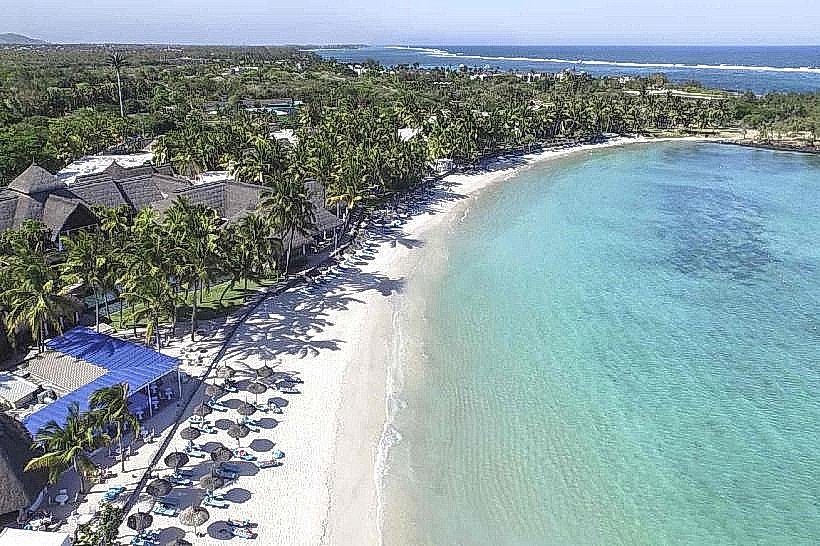
The kiln is situated on the coastal fringe of Belle Mare, often found in proximity to the Belle Mare Ruins and the public beach.
Driving: Located off the B59 Coastal Road. There is no dedicated parking lot; visitors usually park on the grassy shoulder or at the nearby public beach parking.
Public Transport: Accessible via bus route 51 or 226, with a short walk from the Belle Mare public bus stop.
Access: The site is open to the public and free of charge. It is an outdoor monument with no fencing.
Historical & Industrial Origin
Lime kilns were essential in colonial Mauritius for two primary reasons:
Construction: Lime was the main ingredient in mortar and whitewash for stone buildings.
Sugar Production: Lime was used in the "clarification" process of sugarcane juice to neutralize acidity and remove impurities.
The Belle Mare kiln utilized coral harvested from the nearby lagoon as the raw material. The coral was layered with wood or charcoal inside the kiln and fired at temperatures exceeding 900°C to produce quicklime.
Key Highlights & Activities
The site is a point of interest for those tracking the "Route du Sucre" (Sugar Route) across the island. Visitors can inspect the interior of the kiln through the base arches to see the heat-resistant construction. It is a frequent subject for architectural and historical photography due to its primitive, rugged aesthetic against the backdrop of the modern coastline.
Infrastructure & Amenities
There is no infrastructure at the kiln itself.
Services: No restrooms, guides, or shops.
Connectivity: Stable 4G/5G signal is available.
Accessibility: The ground around the kiln is uneven and consists of grass or coral sand, which may be difficult for wheelchairs.
Proximity: Full amenities (toilets, food, water) are available at the Belle Mare Public Beach, located within 1 kilometer.
Best Time to Visit
The site is best viewed during daylight hours, specifically in the early morning or late afternoon when the sun highlights the texture of the basalt stones. Because it is an outdoor stone structure, it can radiate significant heat during the midday sun in summer (November–March).
Facts & Legends
A notable fact about Mauritian lime kilns is the environmental impact they had; the massive demand for lime led to the depletion of coral reefs in certain coastal areas until the practice was eventually regulated and replaced by industrial chemical imports. Locally, these kilns are sometimes called "Four à Chaux."
Nearby Landmarks
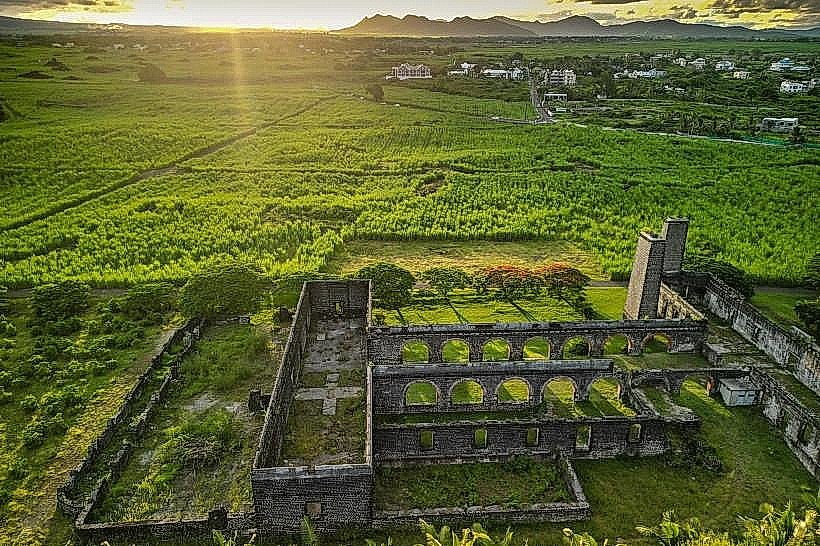
Belle Mare Ruins (Sugar Mill): 0.4km North
Belle Mare Public Beach: 0.8km South
Sagar Shiv Mandir: 2.2km North
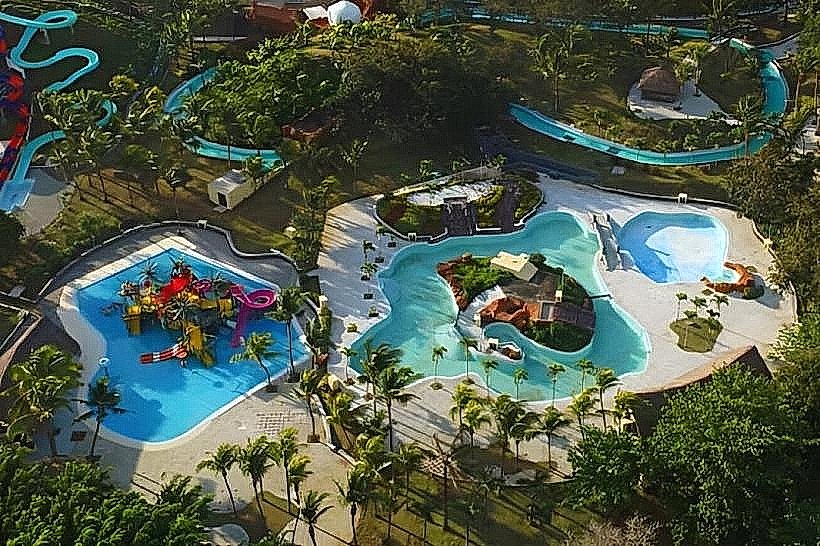
Splash N Fun Leisure Park: 1.5km South
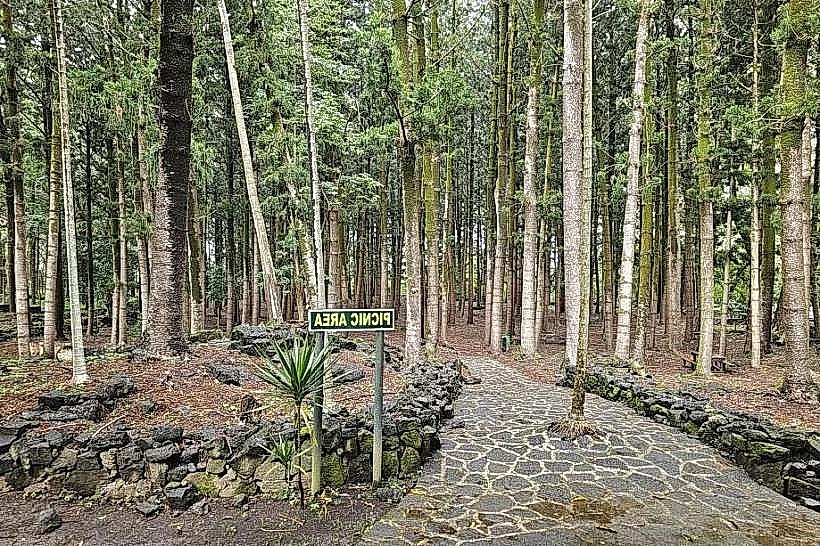
Bras d'Eau National Park: 4.0km Northwest